Mission Overview
On December 2, 2024, SpaceX launched its 27th Commercial Resupply Services mission to the International Space Station, delivering over 6,000 kilograms of cargo. The Dragon spacecraft carried scientific payloads, crew provisions, and new hardware designed to enhance life‑support systems. This flight marked the first operational use of a novel orbital boosting technique, in which the Dragon fired its Draco thrusters to raise the station’s perigee, reducing the frequency of future reboost maneuvers. Engineers described the maneuver as a significant efficiency gain, conserving propellant for future missions.
The mission’s cargo included a set of advanced biomanufacturing modules aimed at producing protein therapeutics in microgravity, a next‑generation greenhouse for growing leafy greens, and a CubeSat deployment suite carrying twenty research satellites. Scientists anticipate that the data gathered will improve understanding of fluid dynamics, protein crystallization, and cellular behavior under altered gravity conditions. In addition, the International Space Station’s crew conducted a series of spacewalk preparations, installing external payload adapters that will be activated during subsequent EVAs.
NASA officials praised the collaborative effort that made the mission possible, highlighting contributions from international partners and commercial customers. The agency emphasized that the boosting technique could become a standard practice for future resupply flights, allowing the orbital laboratory to maintain a higher average altitude and extend its operational lifespan by several years. Engineers also noted that the maneuver demonstrated the versatility of Dragon’s propulsion system, which can be repurposed for orbital maintenance as well as cargo delivery.
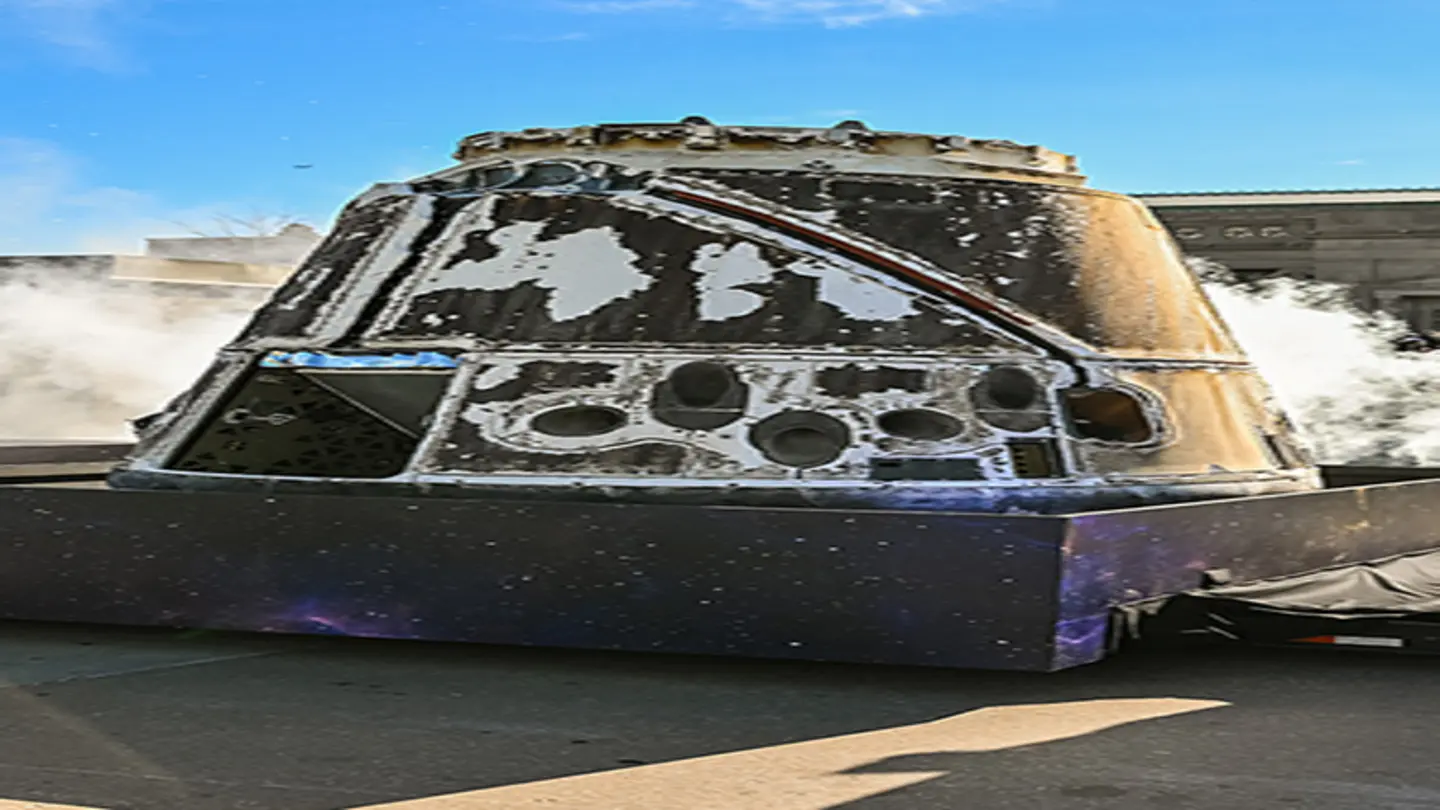
After completing its docked operations, Dragon undocked from the nadir port of the Harmony module and began its autonomous return trajectory. The spacecraft successfully executed a series of deorbit burns, guided by the flight control team at SpaceX’s mission control in Hawthorne, California. It splashed down in the Gulf of Mexico, where recovery teams retrieved the capsule and its valuable scientific payload. The recovered hardware will be inspected, refurbished, and prepared for future missions, underscoring SpaceX’s commitment to reusability.
The successful completion of this mission reinforces SpaceX’s role as a pivotal player in low‑earth orbit logistics and scientific research. It also illustrates the evolving nature of spaceflight, where commercial vehicles perform complex orbital maneuvers previously reserved for government spacecraft. As the industry moves forward, such capabilities may enable more ambitious projects, including lunar gateway support and deep‑space exploration initiatives.
Looking ahead, SpaceX plans to integrate the boosting technology into its upcoming Crew‑Dragon flights, potentially allowing the Crew‑Dragon to adjust the station’s orbit for optimal phasing with other orbital assets. This capability could also support future commercial habitats that rely on regular altitude adjustments to maintain stable Earth‑orbit conditions. The company’s engineers are already drafting procedures for routine orbital maintenance using Dragon’s Draco thrusters.
Image Source: Google | Image Credit: Respective Owner