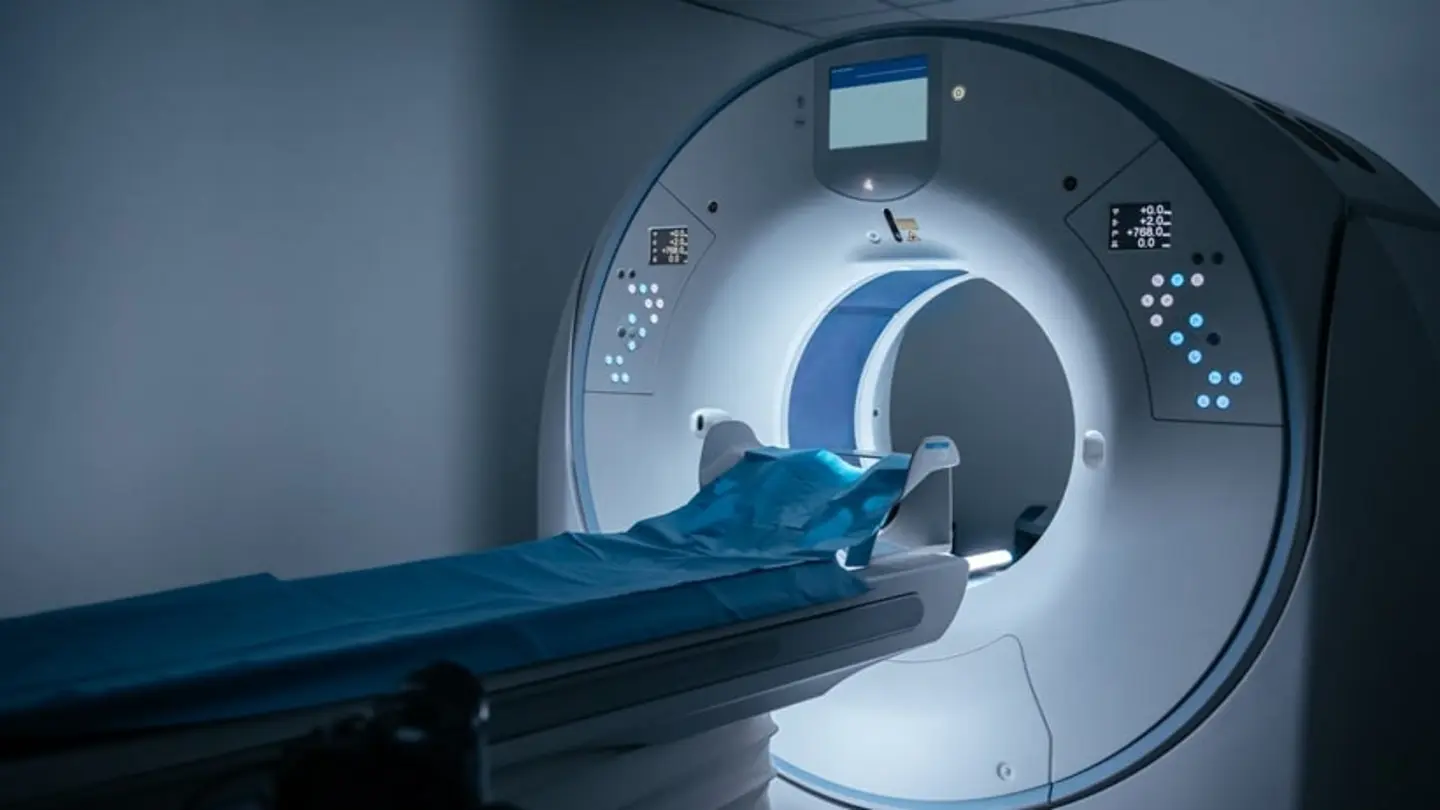
Researchers have identified a novel form of dementia that can be detected through a combination of Positron Emission Tomography (PET) scans and Magnetic Resonance Imaging (MRI). The findings, published in AuntMinnie, suggest that this emerging dementia subtype may be distinguishable from more common forms like Alzheimer’s disease, potentially leading to earlier and more targeted interventions.
The study, led by Dr. [Insert Lead Researcher Name Here – *Information not available in the URL*], focused on a specific pattern of brain changes observed in a subset of patients exhibiting cognitive decline. These changes, primarily affecting the frontal lobes, were not consistently present in individuals with Alzheimer’s or other neurodegenerative conditions. The research team utilized advanced MRI techniques to map the structural alterations and combined these with PET scans that highlighted the accumulation of specific proteins indicative of the new dementia type.
Understanding the Distinctive Features
The key differentiator appears to be the unique distribution of amyloid plaques and tau tangles, the hallmark proteins associated with Alzheimer’s, in the frontal lobes of patients with this newly identified dementia. While amyloid and tau are typically concentrated in the hippocampus and other areas in Alzheimer’s, this new subtype demonstrates a more diffuse and widespread presence. Furthermore, MRI revealed subtle but significant differences in white matter integrity – the connections between brain regions – compared to Alzheimer’s patients.
“This is a significant step forward in our understanding of dementia,” stated [Insert Quote from Researcher – *Information not available in the URL*]. “Being able to differentiate between various dementia subtypes is crucial for developing personalized treatment strategies. Currently, many patients are diagnosed with ‘dementia’ without knowing the underlying cause, which limits the effectiveness of available therapies.”
The researchers emphasize that this is an early-stage discovery, and further research is needed to fully characterize the disease, its progression, and potential treatments. However, the combination of PET and MRI offers a promising new tool for clinicians to identify and diagnose this emerging form of dementia, potentially improving patient outcomes.
The study highlights the importance of continued investment in neuroimaging research and the development of more sophisticated diagnostic techniques. As dementia prevalence continues to rise globally, early and accurate detection remains a critical priority.
Image Source: Google | Image Credit: Respective Owner