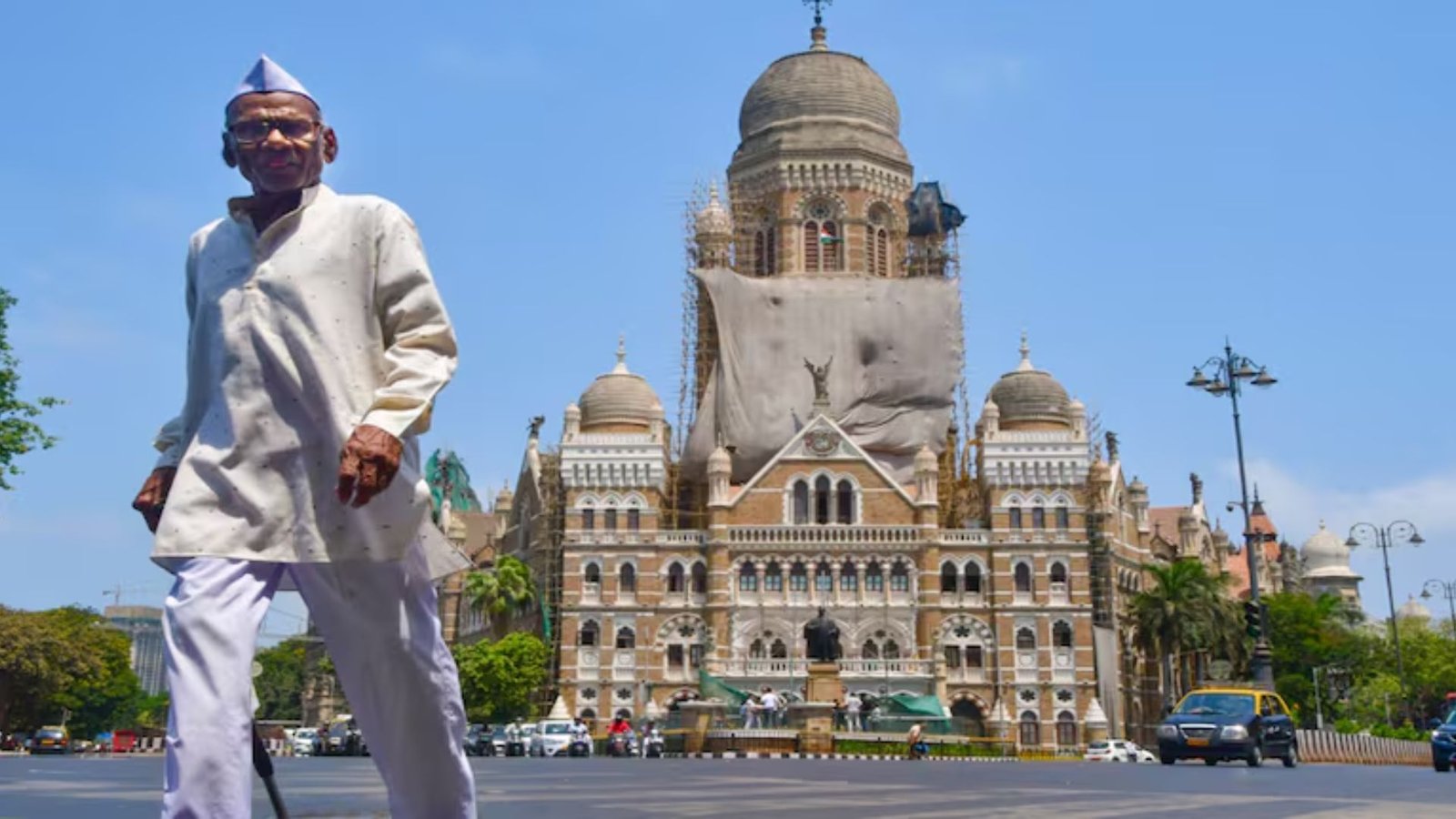
The Brihanmumbai Municipal Corporation (BMC) has presented a record budget of Rs 80,952 crore for the financial year 2026-27, its highest ever. This budget reflects a major push to upgrade Mumbai’s civic infrastructure and improve the city’s education system, addressing critical needs in the rapidly growing metropolis. The proposal marks a significant increase over previous years, underscoring the BMC’s expanded mandate.
Compared to the FY26 budget of around Rs 70,000 crore, the new outlay represents an increase of approximately 15%. The rise is driven by ambitious capital projects and the need to modernize aging infrastructure, while also scaling up social services. The budget will be debated and approved by the BMC’s general body in the coming weeks.
A substantial portion—nearly 60% of the total—is earmarked for infrastructure development. Key projects include completing the Coastal Road to ease traffic, enhancing water supply through new pipelines and treatment plants, and overhauling the sewage system to prevent monsoon floods. Additional funds will support construction of flyovers, bridges, and solid waste management facilities, aiming to make the city more resilient and livable.
Education receives a nearly 20% boost, with over Rs 8,000 crore allocated. The BMC plans to upgrade its 1,000+ municipal schools by installing smart classrooms, providing digital devices, renovating buildings, and recruiting more teachers. Emphasis will be on STEM education, vocational training, and early childhood learning to bridge the gap with private schools and improve learning outcomes.
Healthcare, environment, and social welfare also get notable allocations. Funds will modernize BMC hospitals, expand primary health centers, increase green cover, develop parks, and scale up waste-to-energy initiatives. Affordable housing and slum rehabilitation projects are included to promote inclusive growth.
To finance the budget, the BMC expects revenues from property tax, water charges, entertainment tax, and advertisements. The state government will provide grants-in-aid, and the corporation may issue municipal bonds to raise capital. A higher share of GST compensation from the central government is also anticipated, though uncertain.
Implementation hurdles include land acquisition, inter-agency coordination, and potential cost overruns. Ensuring transparent use of funds and maintaining fiscal health while taking on debt are key concerns. The BMC must also address equitable service delivery across Mumbai’s diverse neighborhoods.
The budget will undergo scrutiny by standing committees before a vote. Opposition parties have warned against excessive borrowing and stressed the need for timely project completion. Citizen groups have demanded greater community involvement in planning and monitoring.
This budget sets a bold vision for Mumbai’s future, aiming to create a more sustainable, equitable, and prosperous city. Its success will hinge on effective execution, political stability, and active citizen participation in the years ahead.
Image Source: Google | Image Credit: Respective Owner