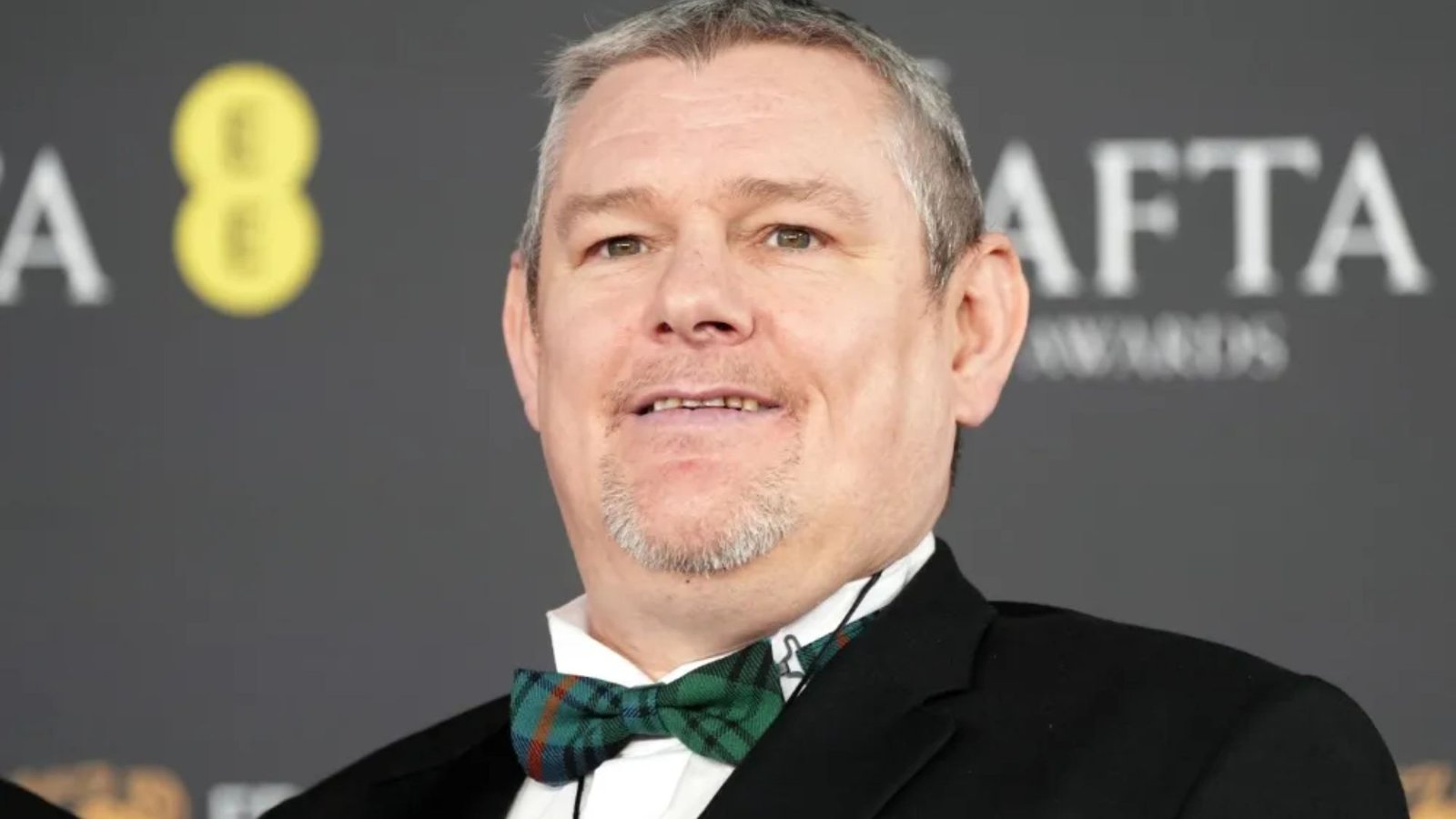
John Davidson, a well-known figure in the entertainment industry, recently revealed that he was informed by BAFTA organizers that any swearing during his segment at the awards ceremony would be edited out. The disclosure has sparked discussions about censorship, creative freedom, and the balance between maintaining broadcast standards and preserving artistic expression.
According to Davidson, the conversation took place ahead of his scheduled appearance at the prestigious British Academy of Film and Television Arts awards. He was told that while his participation was welcome, any explicit language would be muted or removed from the final broadcast to comply with network regulations and audience expectations. This policy, he noted, is standard practice for live or semi-live televised events that attract a broad and diverse viewership.
The news has drawn mixed reactions from industry insiders and the public alike. Some argue that such restrictions are necessary to ensure the event remains family-friendly and accessible to all audiences, particularly given the global reach of the BAFTA ceremony. Others, however, see it as an unnecessary constraint on performers and presenters who may wish to express themselves authentically or address serious topics without fear of censorship.
Davidson himself did not express strong opposition to the policy, acknowledging the need for broadcasters to adhere to certain guidelines. However, he did suggest that the practice raises broader questions about where the line should be drawn between creative freedom and public decency. He pointed out that swearing, when used purposefully, can be a powerful tool for emphasis or emotional impact, and that its removal can sometimes dilute the intended message.
The issue also touches on the evolving standards of broadcast media in the digital age. With streaming platforms and social media offering more lenient environments, traditional television and award shows are increasingly caught between maintaining their mainstream appeal and adapting to changing cultural norms. Some critics argue that overly strict censorship can make live events feel sanitized and less spontaneous, potentially reducing their entertainment value.
BAFTA has not issued a formal statement in response to Davidson’s comments, but the organization has historically maintained a commitment to upholding broadcast standards while celebrating artistic achievement. The awards show, like many others, must navigate the delicate balance between honoring talent and ensuring content is suitable for a wide audience.
This incident is not the first time concerns about language and censorship have arisen in the context of major award ceremonies. Similar debates have occurred at the Oscars, Grammys, and other high-profile events, often reflecting broader societal conversations about freedom of expression, cultural sensitivity, and the role of media in shaping public discourse.
As the entertainment industry continues to evolve, it remains to be seen whether traditional broadcast standards will adapt to accommodate more relaxed attitudes toward language, or whether events like BAFTA will continue to enforce strict guidelines to preserve their mainstream appeal. For now, presenters like Davidson must navigate these expectations, balancing their own creative instincts with the realities of live television.
Image Source: Google | Image Credit: Respective Owner