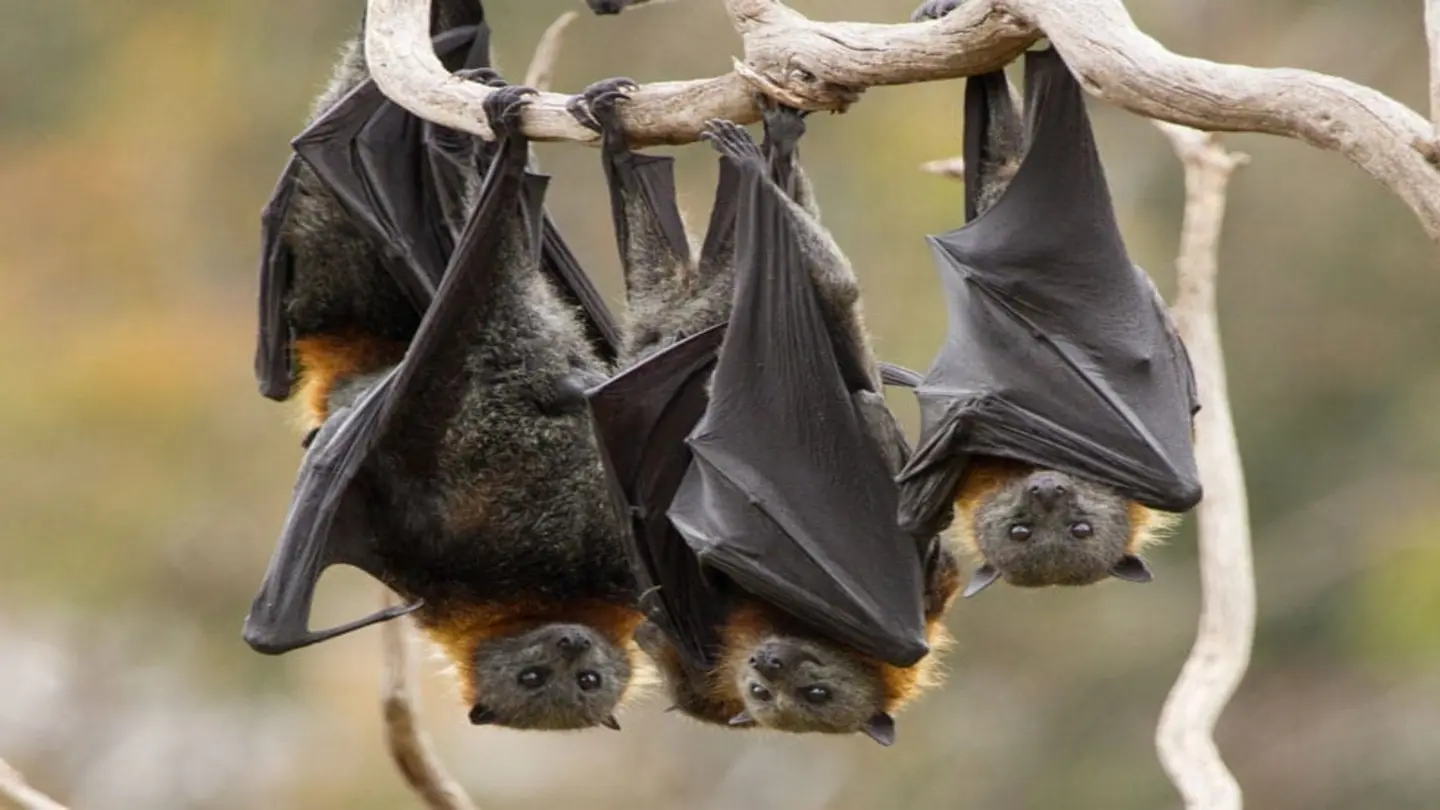
Nipah virus, a rare but deadly zoonotic disease, is the focus of intense research and response efforts by Australian scientists, particularly in relation to potential outbreaks linked to fruit bats. The virus, which can cause severe encephalitis and respiratory illness, poses a significant public health threat, especially in regions with close human-animal interactions. Understanding Nipah’s transmission, identifying at-risk populations, and developing effective countermeasures are paramount.
The Threat of Nipah Virus
Nipah virus is primarily transmitted from animals, most commonly fruit bats, to humans. Transmission can also occur through contaminated food or direct contact with infected animals or people. The virus can present with a range of symptoms, from mild flu-like symptoms to severe neurological complications, including seizures, coma, and respiratory failure. The high mortality rate associated with Nipah virus underscores the urgency of robust surveillance and proactive prevention strategies. Australia, while not experiencing widespread outbreaks, maintains a heightened awareness and research program to mitigate potential risks.
Australian Research Initiatives
Australian scientists are actively engaged in several key areas of Nipah virus research. These include studying the virus’s evolution and genetic makeup to better understand its potential for mutation and adaptation. Another crucial focus is on developing improved diagnostic tools for rapid and accurate detection of the virus in both animals and humans. Furthermore, research efforts are geared towards identifying potential antiviral therapies and vaccines to combat the disease. Collaboration between universities, government health agencies, and veterinary organizations is essential for advancing these research initiatives.
Preventative Measures and Public Health
Public health measures play a vital role in Nipah virus prevention. These include promoting biosecurity practices to minimize contact between humans and fruit bats, particularly around fruit orchards and agricultural areas. Education campaigns are crucial to raise awareness among at-risk communities about the risks of Nipah virus and the importance of practicing good hygiene. Enhanced surveillance of fruit bat populations and monitoring for unusual bat behavior can provide early warning signals of potential outbreaks. Rapid response plans, including quarantine measures and antiviral treatment protocols, are also essential for effectively managing any confirmed cases.
The ongoing research and proactive measures being undertaken by Australian scientists are critical in safeguarding public health and mitigating the threat posed by Nipah virus. By investing in research, strengthening surveillance systems, and promoting public awareness, Australia can effectively prepare for and respond to any future outbreaks. These efforts contribute to the global understanding and control of this dangerous virus.
Image Source: Google | Image Credit: Respective Owner