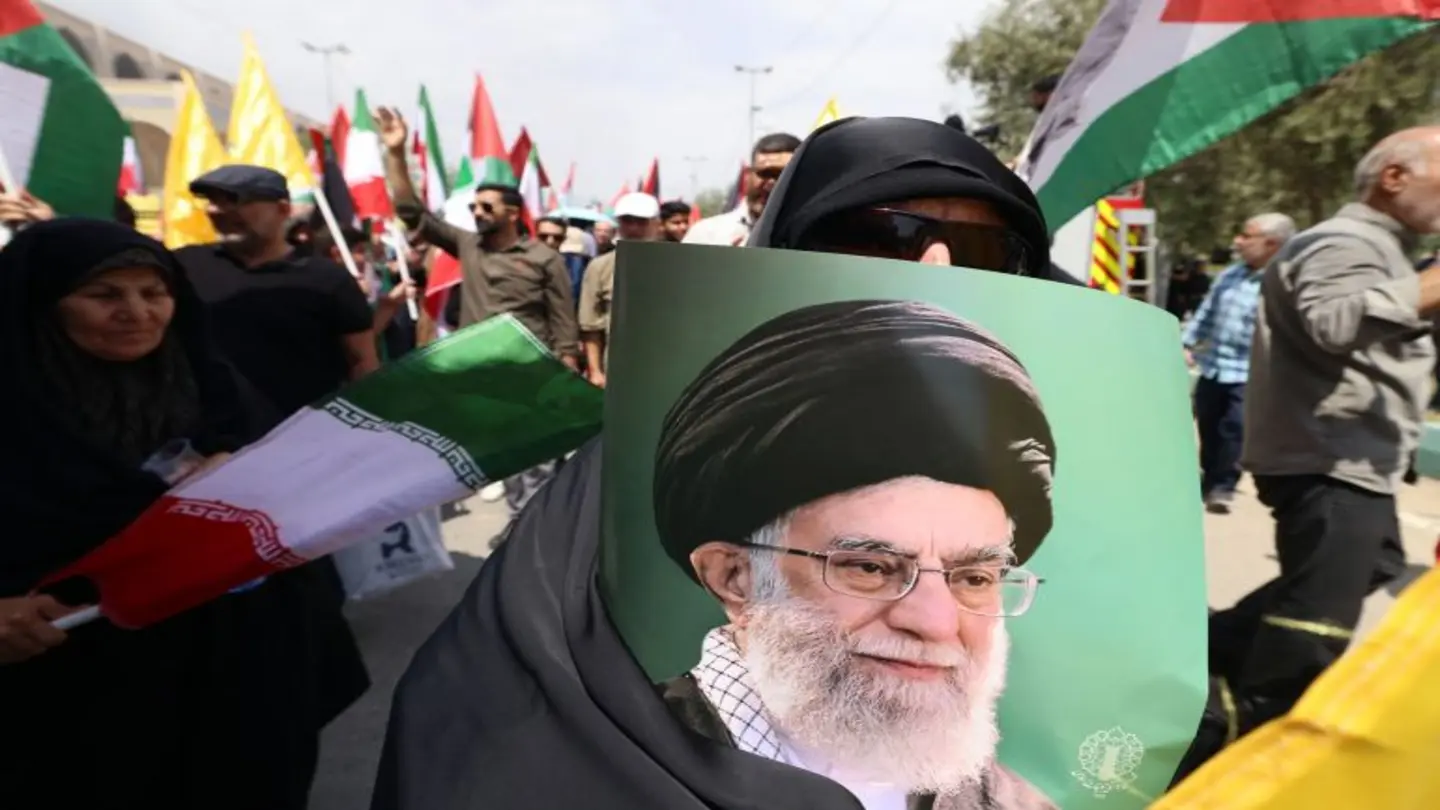
Former U.S. President Donald Trump has signaled that he remains open to taking tough action against Iran, as anti-government protests intensify across the country. The remarks come amid growing unrest, with demonstrators in multiple Iranian cities chanting slogans against Supreme Leader Ayatollah Ali Khamenei. Trump’s statement suggests a potential escalation in U.S. policy toward Tehran, particularly as the Biden administration faces pressure to address human rights concerns and regional instability.
The protests, which have erupted in response to economic hardships, political repression, and social restrictions, mark one of the most significant challenges to Iran’s clerical leadership in years. Demonstrators have been heard shouting slogans such as ‘Death to Khamenei’ and ‘Down with the dictator,’ reflecting widespread frustration with the regime. The unrest has been fueled by inflation, unemployment, and the government’s handling of recent natural disasters, including a devastating earthquake in the southeast.
Trump’s comments, made during a rally in South Carolina, were seen as a direct challenge to the current administration’s approach to Iran. He criticized President Joe Biden for what he described as a weak stance on Tehran, vowing that if re-elected, he would adopt a more aggressive policy. ‘I will do something tough,’ Trump declared, without specifying the nature of the action. His remarks have reignited debates about the effectiveness of maximum pressure tactics versus diplomatic engagement in dealing with Iran.
The Biden administration has sought to revive the 2015 nuclear deal, formally known as the Joint Comprehensive Plan of Action (JCPOA), which Trump withdrew from in 2018. However, negotiations have stalled amid disagreements over sanctions relief and Iran’s nuclear activities. The ongoing protests add another layer of complexity to the situation, as the U.S. weighs its response to the regime’s crackdown on dissent.
Human rights organizations have condemned the Iranian government’s use of force against protesters, reporting numerous casualties and arrests. The United Nations has called for restraint and dialogue, urging both sides to avoid further violence. Meanwhile, regional powers such as Saudi Arabia and Israel have expressed support for the protesters, viewing the unrest as an opportunity to weaken Iran’s influence in the Middle East.
As the situation unfolds, the international community remains divided on how to respond. While some advocate for increased sanctions and isolation, others argue for a more nuanced approach that addresses the root causes of the protests. The coming weeks will be critical in determining the trajectory of both Iran’s internal stability and its relations with the outside world.
Image Source: Google | Image Credit: Respective Owner