First Election Since Hasina’s Fall
Bangladesh entered a political crisis after weeks of mass protests and a violent government crackdown that forced former Prime Minister Sheikh Hasina to resign in August 2024. An interim administration took power, pledging a rapid return to civilian rule. The Guardian calls the upcoming election a watershed that could reshape Bangladeshi democracy.
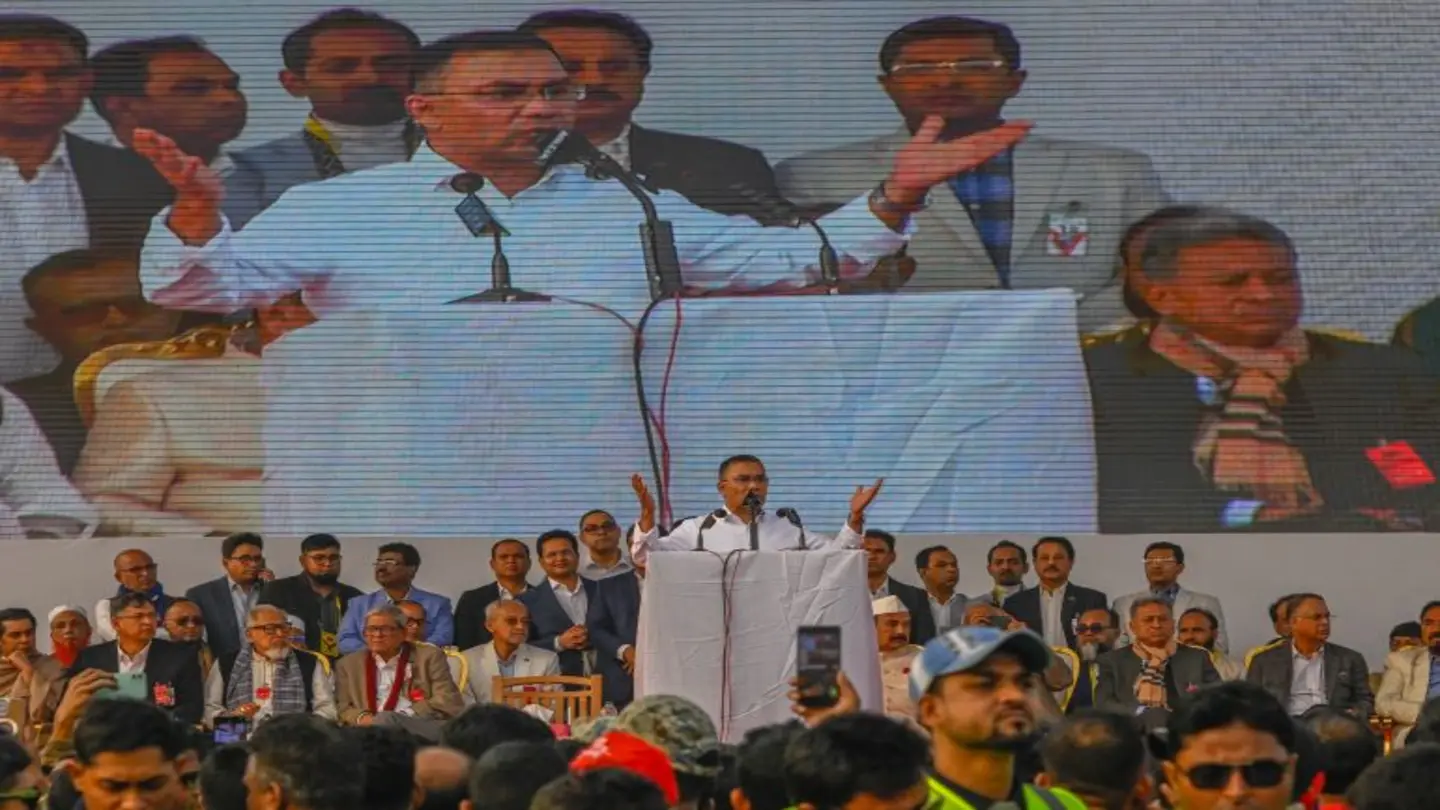
Tarique Rahman, son of former Prime Minister Khaleda Zia, has lived in self-exile since 2005, spending much of the time between London and Washington, D.C. He returned to Dhaka shortly before the polls, positioning himself as the BNP’s standard-bearer and promising to distance the party from its dynastic image. In exile, Rahman consulted diaspora networks and secured legal advice to counter corruption accusations.
The vote took place on 5 January 2026 under the oversight of Bangladesh’s Election Commission, which appointed a neutral caretaker government to manage logistics. International observers reported that while most polling stations operated smoothly, a few faced alleged intimidation tactics. Voter registration reached 120 million, with an estimated turnout of around 70 percent nationwide. The BNP contested seats in 310 of the 350 constituencies, while the Awami League fielded candidates in about 150 and smaller parties filled the remainder.
Rahman’s manifesto pledges a zero-tolerance anti-corruption drive, plans to overhaul the Public Procurement Office, mandate e-tendering for all government contracts, and create an independent anti-money-laundering authority. He also vows to restore media freedom by repealing laws criminalising criticism of officials and to protect journalists from intimidation. A youth engagement task force will harness social media platforms such as Facebook and TikTok for civic education. Additionally, Rahman promises to release political prisoners and grant legal immunity to whistle-blowers.
Skeptics note Rahman’s family’s involvement in past scandals, such as alleged money laundering and illegal phone tapping that surfaced in 2008 and 2012. Critics warn that dynastic politics could persist and that the BNP’s history of bypassing parliamentary norms may hinder clean governance. Moreover, opposition leaders claim the party has been targeted with selective repression, with several members detained on dubious charges ahead of the vote.
The United Nations welcomed the election as a step toward normalising democratic processes, urging the new government to safeguard civil liberties and ensure a level playing field. The United States Department of State called for transparent investigations into any intimidation claims, while the European Union pledged to monitor post-election compliance with human rights standards. Neighboring India and Pakistan expressed cautious optimism, noting that a stable administration could ease cross-border security concerns and open avenues for economic cooperation.
The election’s result will test whether Rahman can turn his rhetoric into concrete reforms, or whether entrenched patronage networks will persist. Success hinges on legislative changes, independent judicial appointments, and transparent procurement systems. If the new leadership delivers, Bangladesh could see renewed democratic participation, foreign investment, and social cohesion; failure may spark renewed unrest and a slide toward authoritarianism.
Image Source: Google | Image Credit: Respective Owner