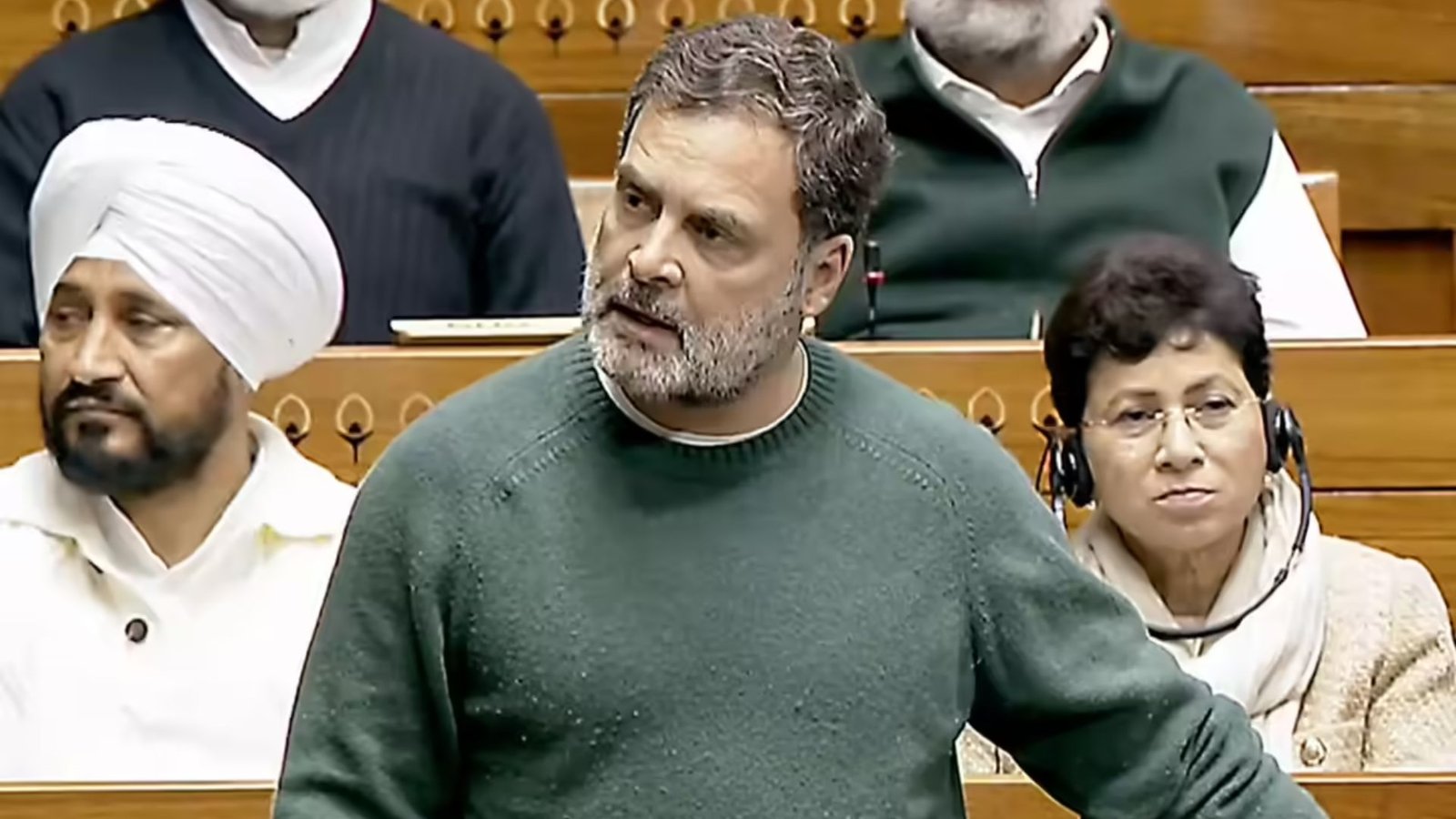
Rahul Gandhi, a prominent leader of the Indian National Congress, has voiced strong concerns over a recent U.S. trade deal, asserting that it poses significant threats to India’s energy security, data security, and the livelihoods of its farmers. His remarks, reported by The Hindu, highlight a growing debate within India regarding the potential ramifications of aligning with the United States on trade policies.
Gandhi’s critique centers on the potential for the deal to compromise India’s strategic autonomy in critical sectors. He argues that the agreement might lead to increased dependence on U.S. technology and energy sources, thereby diminishing India’s ability to chart its own course in these crucial domains. He specifically expressed worries about data security implications, fearing that the deal could expose Indian citizens’ data to vulnerabilities.
Farmer Concerns
A key aspect of Gandhi’s criticism focuses on the impact on India’s agricultural sector. He contends that the trade agreement could negatively affect Indian farmers by opening the market to cheaper imports, potentially undermining domestic agricultural production and leading to economic hardship for farmers. He advocated for policies that prioritize the interests of Indian farmers and protect them from unfair competition.
The trade deal has been a subject of intense discussion in India, with various stakeholders expressing diverse viewpoints. While some welcome the potential economic benefits and access to the U.S. market, others caution about the potential risks to national interests. Gandhi’s pronouncements represent a significant voice of dissent, adding to the complexity of the debate. He emphasized the need for careful consideration and negotiation to ensure that any trade agreement serves India’s long-term economic and strategic interests.
The Congress party has consistently raised concerns about the potential downsides of trade agreements with the U.S. and other major economies, advocating for policies that prioritize national sovereignty and the well-being of Indian citizens. Gandhi’s latest critique is consistent with this stance, reflecting a broader political narrative questioning the benefits of unfettered trade liberalization. The implications of the trade deal continue to be analyzed by economists, policymakers, and industry experts, with ongoing discussions about the need to balance economic growth with national security and social equity.
Image Source: Google | Image Credit: Respective Owner