A Breakthrough in Paleontology
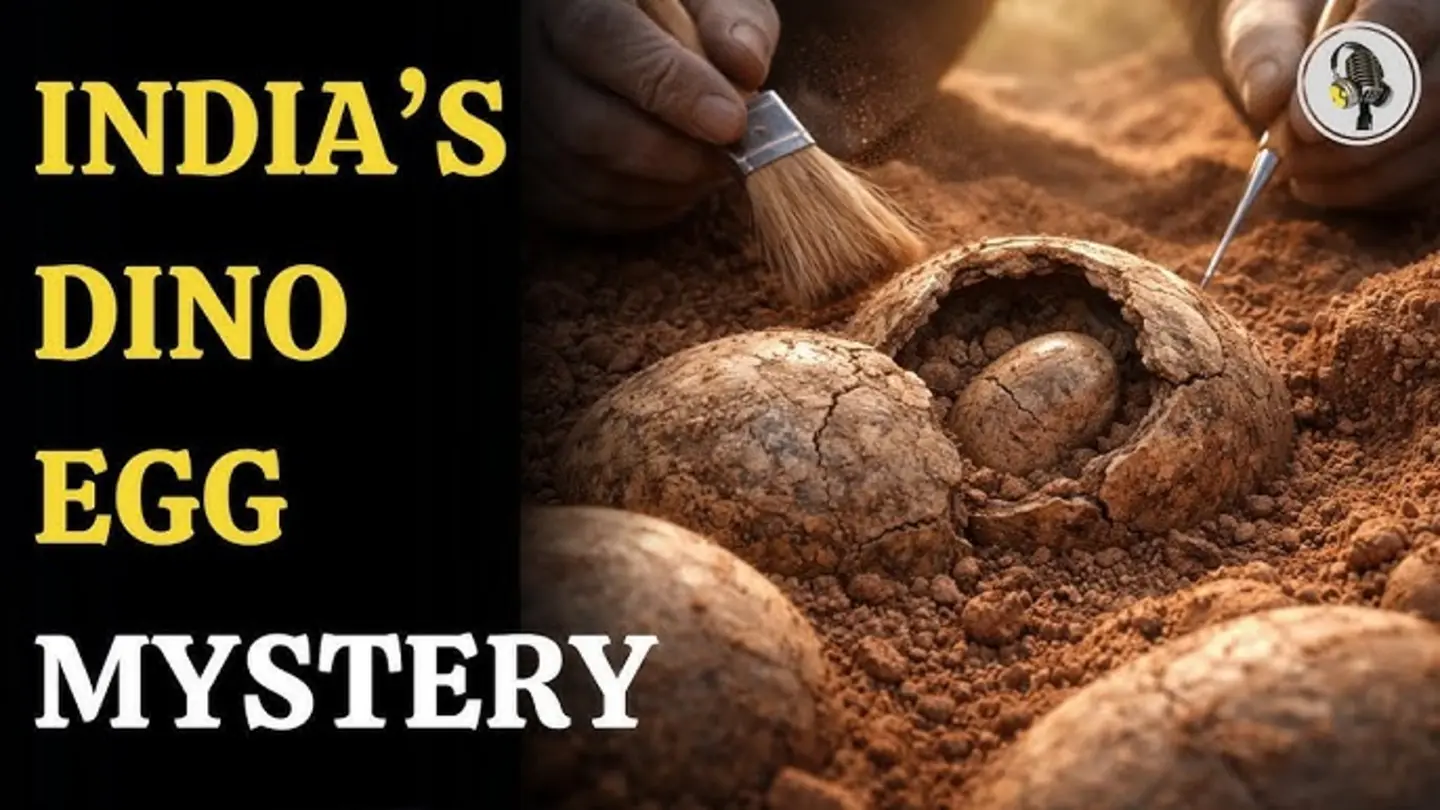
In a development that has captivated the scientific world, researchers have identified a dinosaur egg nested within another egg, a first in paleontological history. The fossils, buried for an estimated 68 million years, were discovered in a dig site in Asia and promise to reshape our understanding of dinosaur reproduction.
The team, comprising experts from several countries, was conducting a systematic excavation when the unusual structure was detected. “It was like finding a Russian doll in deep time,” remarked Dr. Arjun Mehta, the project director. “The outer egg was partially exposed, and upon closer inspection, we saw the silhouette of a second egg inside.”
Initial dating places the fossils in the Late Cretaceous, a period rich in dinosaur diversity. The eggs are attributed to a large theropod, possibly a titanosaur or a carnivorous species, based on associated bone fragments. However, definitive identification requires further analysis, which is underway.
Rarity and Significance
Egg-in-egg occurrences are extraordinarily rare even in modern avians, with only a handful of documented cases in birds like the domestic fowl. In dinosaurs, this phenomenon was hitherto unknown, making this find unparalleled. Such a discovery suggests that some dinosaurs may have had a reproductive system capable of producing eggs in rapid succession or with internal retention, leading to accidental encapsulation.
Dr. Sofia Ivanova, a paleobiologist not involved in the study, commented, “This could indicate a level of reproductive complexity that we didn’t attribute to non-avian dinosaurs. It blurs the line between dinosaurs and birds even further.”
The preservation is exceptional. Both eggs show intact shells with microscopic pores, which likely facilitated gas exchange during incubation. The inner egg’s position within the outer one implies that the nest was disturbed or that the eggs were laid in close proximity, with the second egg sliding into the first before burial.
Scientific Methods and Future Prospects
To examine the fossils without destruction, the team employed non-invasive techniques. High-resolution CT scans revealed the internal architecture, confirming the inner egg’s complete encasement. Geochemical analysis is being conducted to assess the mineral composition and seek traces of organic material, which could yield DNA or protein fragments, though this is a long shot given the age.
The discovery also raises questions about dinosaur nesting behavior. Did they build solitary nests or communal ones? Could this be a case of egg parasitism, where one female lays eggs in another’s nest? These are avenues for future research.
Moreover, the find underscores the importance of meticulous fieldwork. “Sometimes, the most revolutionary discoveries are hidden in plain sight,” said Dr. Mehta. “It takes careful eyes and patience to uncover nature’s secrets.”
As the study progresses, the fossils will be displayed in a major museum, allowing the public to witness this marvel. Meanwhile, scientists are eager to explore other dig sites for similar anomalies, hoping to determine if this was a unique accident or a broader phenomenon.
In summary, the dinosaur egg inside another egg is not just a curiosity; it’s a key to unlocking mysteries of ancient life. It demonstrates that even after millions of years, Earth’s history can still surprise us, offering new perspectives on the creatures that once roamed our planet.
Image Source: Google | Image Credit: Respective Owner