Policy Clarification
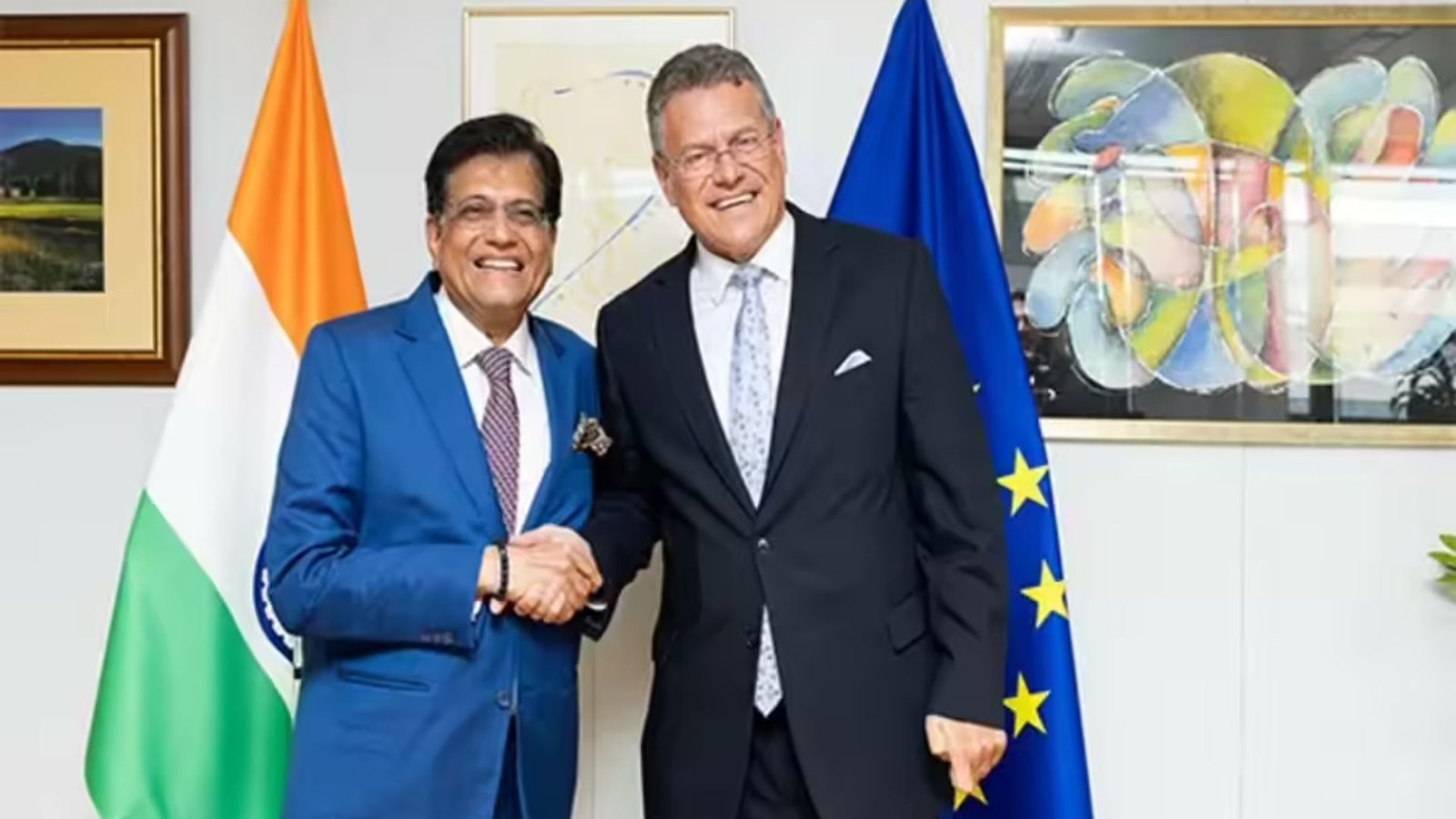
Indian Minister of Commerce and Industry Piyush Goyal reaffirmed the government’s stance that each minister is accountable for the execution of his or her specific portfolio, particularly in the context of emerging trade negotiations with Russia. During a recent media interaction, Goyal emphasized that the ministry responsible for commerce will continue to lead discussions on bilateral agreements while other departments handle related fiscal and regulatory matters. He pointed out that the Ministry of Petroleum and Natural Gas, along with the Ministry of External Affairs, will coordinate any adjustments to oil import policies, ensuring alignment with national energy security objectives. Goyal’s comments came amid heightened global scrutiny of India’s potential increase in Russian crude purchases, a move that could influence market dynamics and diplomatic relations. The minister clarified that while the broader foreign policy framework remains under the purview of the Prime Minister’s Office, operational decisions concerning trade contracts are delegated to the respective ministries. This hierarchical approach, according to Goyal, safeguards institutional responsibilities and prevents diffusion of accountability. He also noted that any modifications to import tariffs or subsidy schemes will be subject to intra‑governmental consultations, thereby preserving legislative oversight. The statement underscores New Delhi’s intent to balance strategic partnerships with economic pragmatism, especially as global oil prices remain volatile. Analysts interpret the minister’s clarification as a signal that India will pursue a cautious, negotiated pathway rather than an abrupt policy shift. Moreover, the government aims to leverage the trade dialogue to secure favorable pricing mechanisms and long‑term supply contracts that benefit domestic consumers and industry stakeholders. In doing so, India seeks to reinforce its position as a pivotal player in the Indo‑Pacific economic landscape while maintaining resilience against external shocks. The minister concluded by urging stakeholders to remain patient, highlighting that policy formulation is an iterative process grounded in thorough analysis and cross‑departmental collaboration.
International observers have noted that New Delhi’s insistence on ministerial demarcation reflects a broader governance philosophy that distributes policy responsibilities across ministries to avoid concentration of power. In the energy sector, experts suggest that any incremental shift toward Russian crude could reduce import costs by up to ten percent, thereby alleviating pressure on the nation’s current account deficit. Nevertheless, concerns persist regarding potential secondary sanctions from Western jurisdictions, prompting Indian policymakers to proceed with caution. Diplomatic channels remain open for dialogue with both Russian counterparts and multilateral partners, ensuring that any commercial engagement complies with existing legal frameworks. Market analysts also warn that fluctuations in global oil benchmarks may affect the financial viability of long‑term contracts, necessitating robust risk‑mitigation strategies.
Image Source: Google | Image Credit: Respective Owner