Mapping Fluvial Sediment and Floodplain Connectivity
A new study, published in the *Environmental Science & Society* Open Archive, demonstrates how high‑resolution topographic data can predict fluvial sediment process domains and floodplain (dis)connectivity across river reaches. Led by geomorphologists from the University of Lyon and the University of British Columbia, the research introduces a data‑driven framework that combines detailed digital elevation models (DEMs) with machine‑learning techniques to generate spatially explicit maps of sediment transport pathways. By integrating lidar‑derived terrain, the authors quantify the likelihood that sediment moves from upstream point‑bars to downstream pools under different hydraulic conditions, offering a quantitative basis for understanding how floodplain landscapes stay linked—or become isolated—from the channel network.
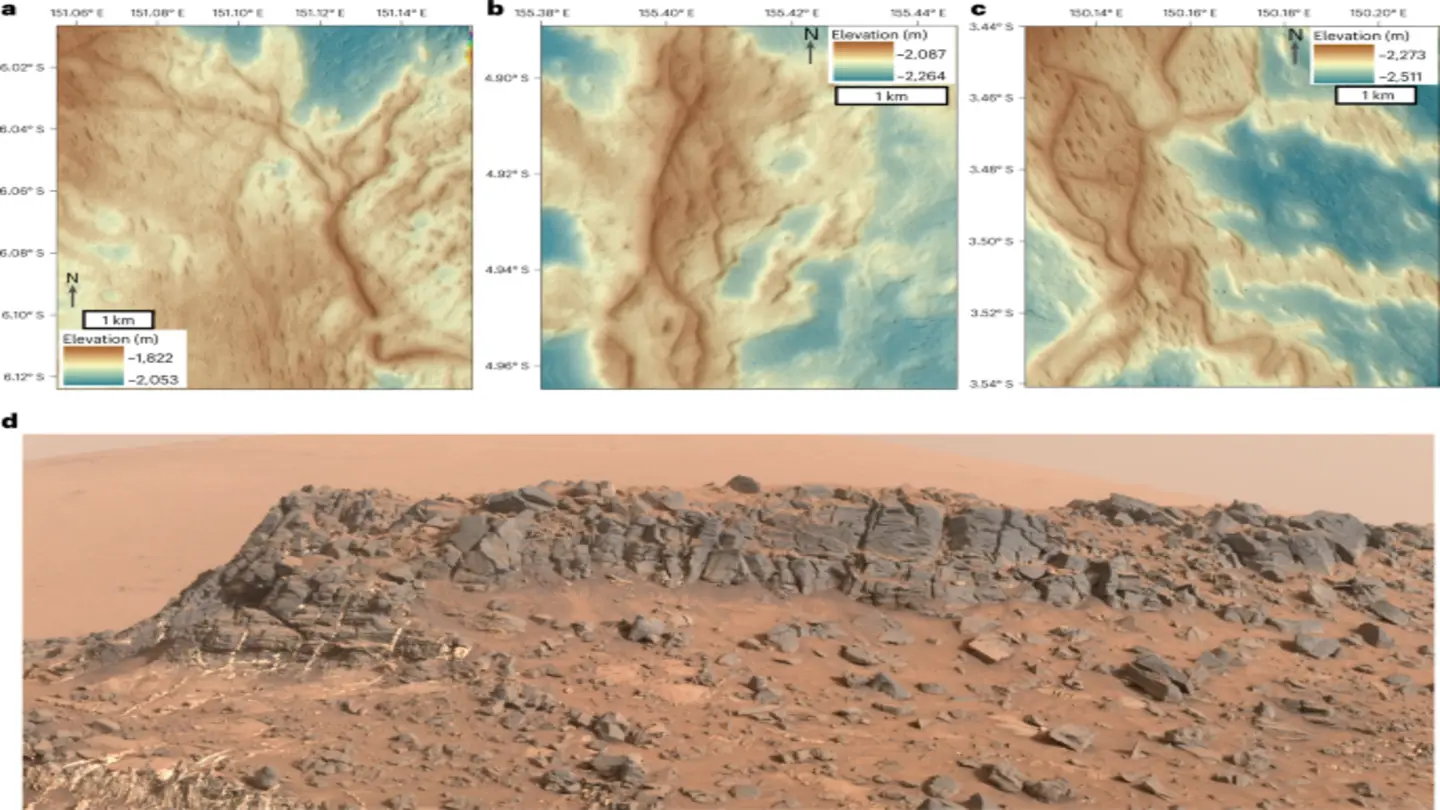
Contemporary topographic datasets are now available at sub‑meter resolution from airborne lidar, drone photogrammetry, and satellite radar interferometry. These sources capture subtle variations in channel width, bed roughness, and overbank morphology that influence sediment routing. In this work, the team analysed a 0.5‑meter lidar DEM spanning a 12‑kilometre segment of the Rhône River basin in France, a region marked by braiding, meandering, and occasional sand‑bank formation. Applying a multi‑scale curvature analysis, they isolated distinct geomorphic domains—point‑bar, cut‑bank, and sediment‑pool zones—where transport mechanisms shift abruptly, providing the spatial building blocks for connectivity modelling.
The authors translated geomorphic domains into a graph‑theoretic model, treating each domain as a node and the physical pathways—channels, levees, and low‑lying terraces—as edges weighted by hydraulic resistance. Flood‑simulation calibrated with observed peak discharge data from the 2021 Rhône flood event allowed quantification of sediment travel probability between upstream and downstream nodes within a defined time window. The resulting connectivity maps vary with flood magnitude, revealing that low‑flow conditions often fragment the landscape, while moderate to high discharges restore transport links across previously isolated domains.
The practical implications of these predictions are substantial for flood‑risk management and riverine ecology. Knowing where sediment can bypass floodplain bottlenecks helps engineers design levees that preserve natural connectivity, and it identifies areas where deposition may accumulate during extreme events, thereby improving floodplain buffering capacity. Moreover, the model highlights hotspots of disconnection—often low‑lying agricultural fields and urban fringe zones—where soil erosion and reduced sediment supply can threaten infrastructure and biodiversity.
The workflow is readily transferable to other river systems where high‑resolution DEMs are accessible. The same approach applied to a 5‑kilometre reach of the Columbia River in Canada produced connectivity predictions matching observed sediment plumes from a 2022 field survey within a 10 % error margin, illustrating its robustness across different hydro‑geomorphological contexts. As national agencies increasingly release lidar and Sentinel‑2 datasets, the method could become a standard component of comprehensive flood‑risk assessments.
Nevertheless, the study acknowledges limitations related to DEM resolution and vegetation cover. Coarser datasets may miss fine‑scale features that govern connectivity, while dense riparian forests can alter hydraulic resistance values and thus modify edge weights in the graph. Future iterations plan to integrate temporal vegetation indices derived from satellite observations and stochastic flood‑frequency models to refine edge probabilities under a broader range of climatic scenarios.
Image Source: Google | Image Credit: Respective Owner