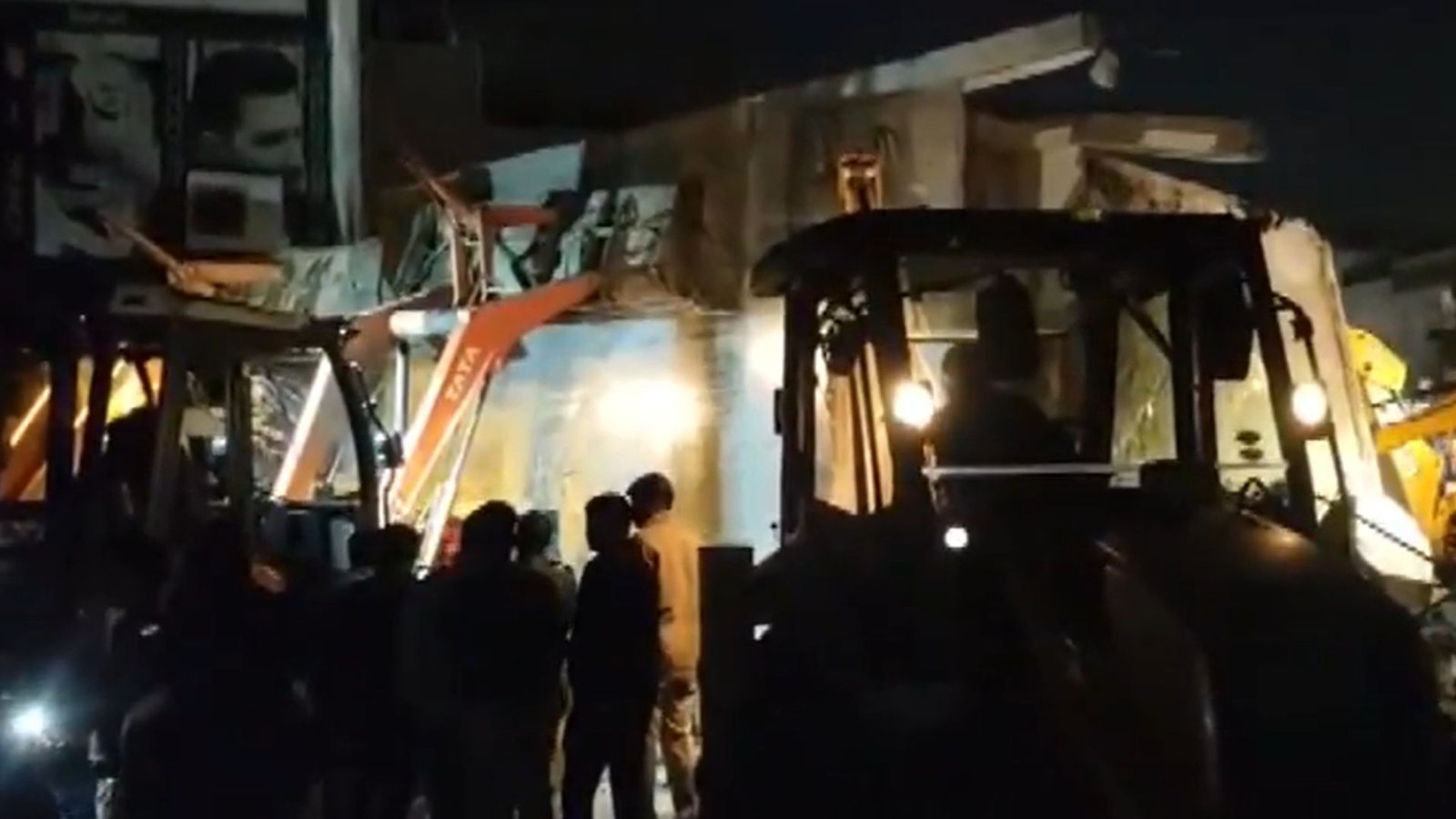
A three‑storey commercial building in Kota, Rajasthan, collapsed early Thursday morning, sending shockwaves through the city and prompting an urgent rescue effort.
Officials confirmed that two individuals lost their lives while at least fourteen others remain trapped under the rubble, their exact conditions unknown as rescue crews work against time.
State disaster response teams, accompanied by local firefighters and volunteers, arrived within minutes, deploying heavy lifting equipment, breathing apparatus and search dogs to locate survivors amid the debris.
Chief Minister Ashok Gehlot expressed condolences to the families of the victims, announced a three‑day period of mourning and pledged financial assistance to the bereaved, while directing the administration to launch a comprehensive investigation into the structural violations that may have contributed to the disaster.
The incident has reignited concerns about the adequacy of building safety regulations in rapidly expanding urban centers, with experts urging stricter enforcement and regular audits to prevent future tragedies similar to recent collapses observed across various Indian cities.
Eyewitnesses described a deafening roar as the structure gave way, followed by clouds of dust that enveloped the narrow lane where the building stood, making visibility nearly zero for rescuers navigating the chaotic scene.
Local shop owners, who had been operating stalls on the ground floor, recounted hearing a massive crack seconds before the collapse, prompting frantic scrambles to evacuate customers and secure nearby premises while emergency lights flickered in the gloom.
Authorities have sealed off the surrounding area to ensure public safety and to facilitate a systematic search operation, while a team of medical professionals stands by to attend to any rescued individuals who may require immediate treatment for injuries sustained during the collapse.
The collapse underscores a growing trend of structural failures in commercial constructions that prioritize profit over safety, often evading rigorous oversight due to corruption, lax permitting processes and inadequate monitoring by municipal authorities across India.
In response to the incident, the National Disaster Management Authority has pledged to review and strengthen building code compliance mechanisms, proposing stricter penalties for violations, mandatory independent quality assessments for multi‑storey structures, and enhanced public awareness campaigns aimed at encouraging citizens to report unsafe conditions without fear of reprisal.
Community leaders and local NGOs have called for immediate action to support affected families, urging the government to provide temporary shelters, counseling services and livelihood assistance to those whose businesses were disrupted by the disaster, emphasizing that long‑term recovery must prioritize both safety reconstruction and social welfare.
Image Source: Google | Image Credit: Respective Owner