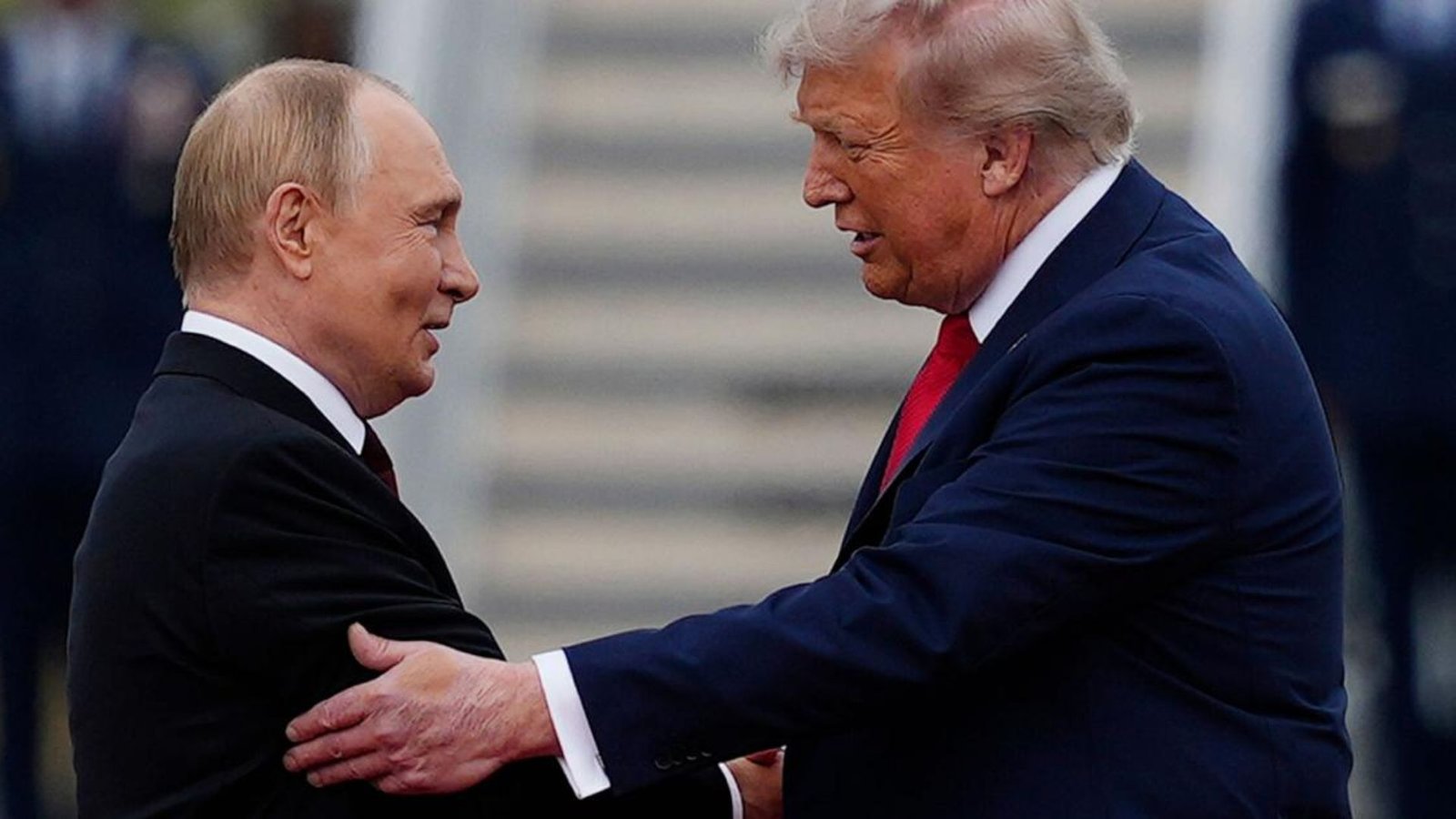
The expiration of the New START Treaty between the United States and Russia has sparked global concerns about unchecked nuclear arms proliferation. As the last remaining bilateral nuclear arms control agreement between the two superpowers lapsed without renewal, experts warn this could trigger a dangerous new phase in strategic weapons development.
Strategic Stability Compromised
The treaty’s collapse comes amid heightened US-Russia tensions over Ukraine and follows Russia’s suspension of inspection activities in 2022. With no verification mechanisms in place for the world’s two largest nuclear arsenals, maintaining strategic stability becomes significantly more challenging. Both nations continue modernizing their nuclear triads, including land-based ICBMs, submarine-launched missiles, and strategic bombers.
India’s Delicate Position
For India, the development presents complex challenges. As a responsible nuclear power that maintains a ‘No First Use’ policy, New Delhi has historically advocated for global nuclear disarmament. However, growing Chinese nuclear capabilities and continued Pakistan-India tensions create regional security dilemmas. Experts suggest India may face pressure to reassess its strategic posture amidst renewed great power competition.
The changing nuclear landscape comes when India is modernizing its own triad. Recent tests of submarine-launched ballistic missiles and development of multiple independently targetable reentry vehicles (MIRVs) demonstrate technological advancements, though officials maintain these align with minimal credible deterrence needs.
Diplomatic Pathways Forward
Indian diplomats face increased pressure in multilateral forums like the UN and Nuclear Suppliers Group. Nonproliferation advocates urge New Delhi to leverage its unique position as a trusted partner to both Washington and Moscow to encourage renewed dialogue. However, with US-China relations also strained, prospects for comprehensive arms control agreements appear dim in the near term.
Strategic analysts predict India will likely focus on enhancing bilateral security partnerships while maintaining nuclear restraint. Recent progress on the Indo-US Civil Nuclear Agreement and continued cooperation through the Quad alliance provide alternative frameworks for stability discussions. Meanwhile, India’s longstanding calls for universal nuclear disarmament face their greatest test in decades.
The unfolding situation presents Prime Minister Narendra Modi’s government with both challenges and opportunities. How India navigates this new nuclear landscape could significantly influence its emergence as a global power committed to maintaining international security architecture.
Image Source: Google | Image Credit: Respective Owner