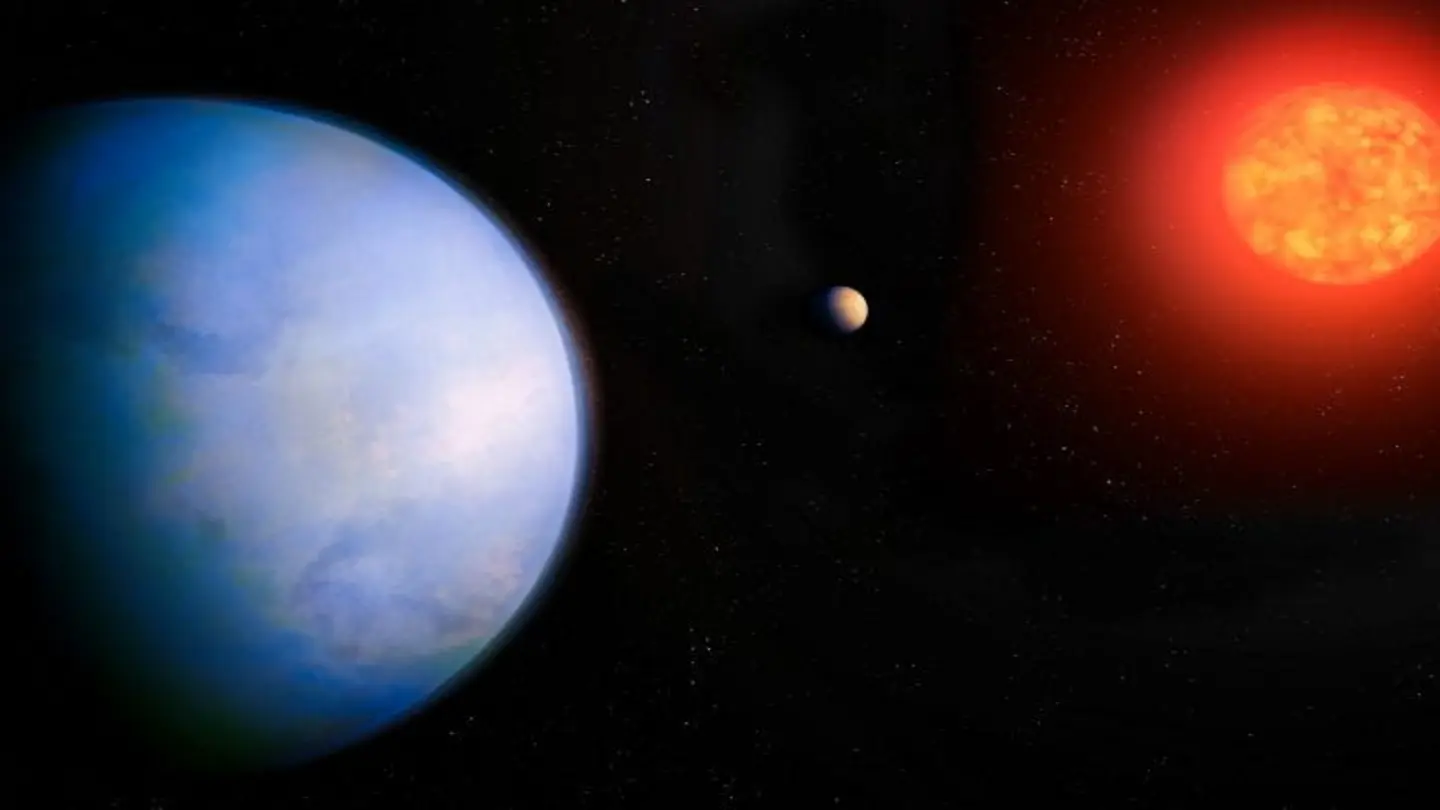
The astronomical world is electrified by the detection of a new exoplanet nestled within the habitable zone of its star, now recognized as the second-closest such planet to Earth. Announced by a team using data from NASA’s Transiting Exoplanet Survey Satellite (TESS), this finding amplifies the momentum in the search for Earth analogs and potential habitats for alien life.
Defined as the region around a star where liquid water could persist on a planet’s surface, the habitable zone is a cornerstone of exoplanet science. Water’s essential role in biology makes planets in this zone prime candidates for hosting life. With over 5,000 exoplanets confirmed, only a few dozen are terrestrial and within habitable zones, making each discovery precious.
Unveiling the Planet
Through the transit method, TESS observed periodic dimming of the host star, revealing the planet’s 20-day orbit. Radial velocity measurements from ground-based telescopes confirmed the signal and provided mass estimates. The planet has a radius about 1.2 times Earth’s and likely a rocky composition. It circles an M-dwarf star, a small, cool star that dominates our galaxy’s stellar population.
M-dwarfs offer advantages for habitability: their long lifetimes provide stable conditions for billions of years. However, their habitable zones are very close to the star, often leading to tidal locking where one side always faces the star. This could create extreme temperature differences, but atmospheric circulation might mitigate this, allowing for habitable regions near the terminator.
Proximity Opens Windows
The exoplanet’s distance—under 10 light-years—is its standout attribute. Only Proxima Centauri b is closer and habitable. This proximity is a boon for characterization; next-generation telescopes like the James Webb Space Telescope can analyze its atmosphere during transits for biosignatures like oxygen, methane, or water vapor. The closer the object, the more light we collect, enabling finer spectral details.
Upcoming observatories such as the Extremely Large Telescope and the Nancy Grace Roman Space Telescope will further probe this world, potentially detecting surface features or clouds. Such data could reveal if the planet has seasons, oceans, or other hallmarks of a living world.
Broader Context and Next Steps
This discovery reinforces that small, rocky planets in habitable zones are common around red dwarfs, suggesting that habitable real estate may be widespread. Yet, debate persists about the habitability of planets around active M-dwarfs, which can unleash destructive flares that erode atmospheres. Monitoring the host star’s activity is crucial to evaluate this risk.
For scientists, the focus shifts to securing telescope time for intensive studies. Long-term observations will track atmospheric escape and climate patterns. Comparative analysis with other nearby habitable planets, such as those in the TRAPPIST-1 system, will help build a coherent picture of what makes a planet truly habitable.
Public fascination with such finds is immense, as they address humanity’s oldest question: are we alone? Schools and media use these discoveries to spark interest in science and technology. The find also underscores the global nature of modern astronomy, with collaborations spanning continents and leveraging cutting-edge engineering.
Looking ahead, missions like TESS continue to scan the skies, promising more nearby habitable worlds. Each new planet adds a piece to the puzzle of life’s cosmic prevalence. While this exoplanet’s true habitability remains to be proven, its existence brings us a step closer to answering whether Earth is unique or one of many life-bearing worlds.
In closing, the identification of the second-closest habitable zone exoplanet marks a milestone. It exemplifies the power of persistent observation and international teamwork. As we refine our tools and techniques, the dream of detecting definitive signs of life beyond Earth grows ever more tangible, promising a revolution in our understanding of life’s place in the universe.
Image Source: Google | Image Credit: Respective Owner