Situation Overview
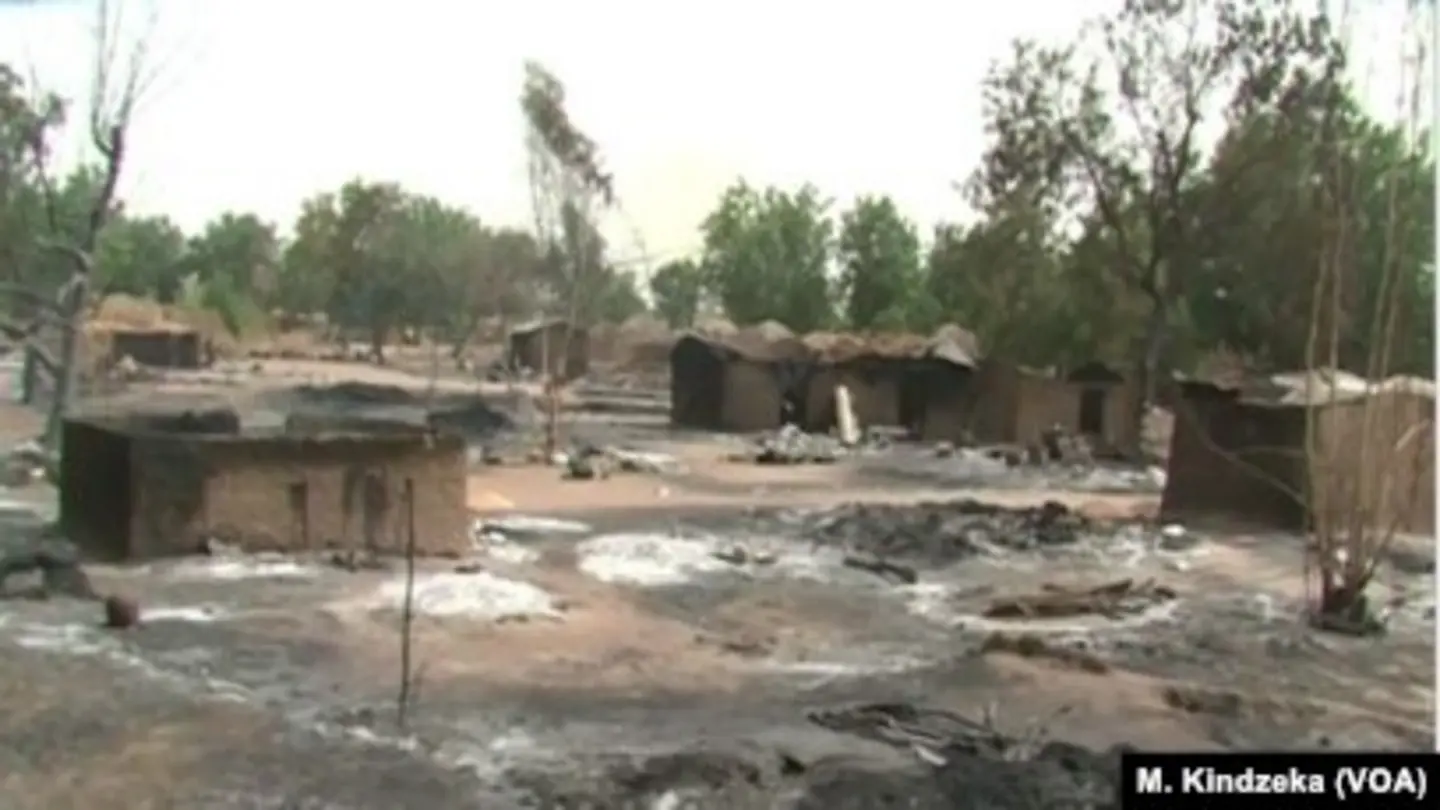
Nigeria’s security forces have mobilised troops to the volatile Kwara state following a brutal assault that left at least 170 civilians dead in the village of Yashikira. Eyewitnesses described chaotic scenes as gunmen stormed the community, setting homes ablaze and scattering survivors into the surrounding forest.
Local leaders and humanitarian agencies have called for an immediate investigation, urging the federal government to address the underlying communal tensions that have simmered for months. The attack, which appears to be retaliation for alleged crop theft, has heightened fears of a broader ethnic clash across the region.
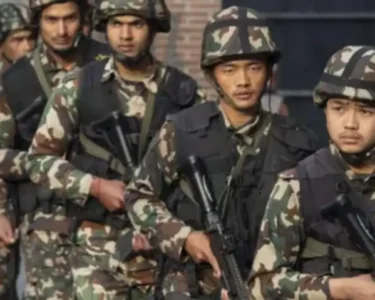
President Bola Tinubu has condemned the massacre, promising that perpetrators will be held accountable and that security personnel will be deployed to restore order. In a televised address, he emphasized the government’s commitment to protecting all citizens, while warning that any attempt to destabilise the nation will meet swift and decisive response.
Community elders in Kwara have begun organising burial rites for the victims, but the process is hampered by limited resources and the ongoing threat of further violence. International observers have expressed alarm, calling for urgent dialogue between local factions to prevent an escalation that could spill into neighbouring states.
The incident underscores the fragile security landscape facing Nigeria’s central belt, where communal competition over land and resources frequently erupts into bloodshed. Analysts warn that without concrete policy interventions, such attacks risk becoming a recurring pattern that could undermine national stability and deter investment in affected regions.
Historically, Nigeria’s central states have experienced recurrent conflicts tied to disputes over agricultural land, chieftaincy politics and resource allocation. In the past decade, similar assaults in Benue, Plateau and Nasarawa states have resulted in hundreds of fatalities, prompting periodic states of emergency and reinforced military presence. Yet recurring cycles of retaliation suggest limited effectiveness of such measures.
Regional bodies such as the Economic Community of West African States have pledged to support Nigeria with peace‑building initiatives, while United Nations agencies are urging the establishment of early‑warning mechanisms for conflict hotspots. Civil society groups are calling for inclusive governance reforms that address grievances of marginalized communities, arguing that sustainable security must be coupled with socioeconomic development.
To break the cycle, experts recommend a multi‑pronged approach that includes strengthening intelligence gathering, reforming land‑use policies, and investing in community‑led conflict resolution programmes. Such measures, they argue, could transform volatile flashpoints into stable zones conducive to peaceful coexistence and economic activity. International partners are also pledged to provide logistical and financial assistance to support these initiatives.
Image Source: Google | Image Credit: Respective Owner