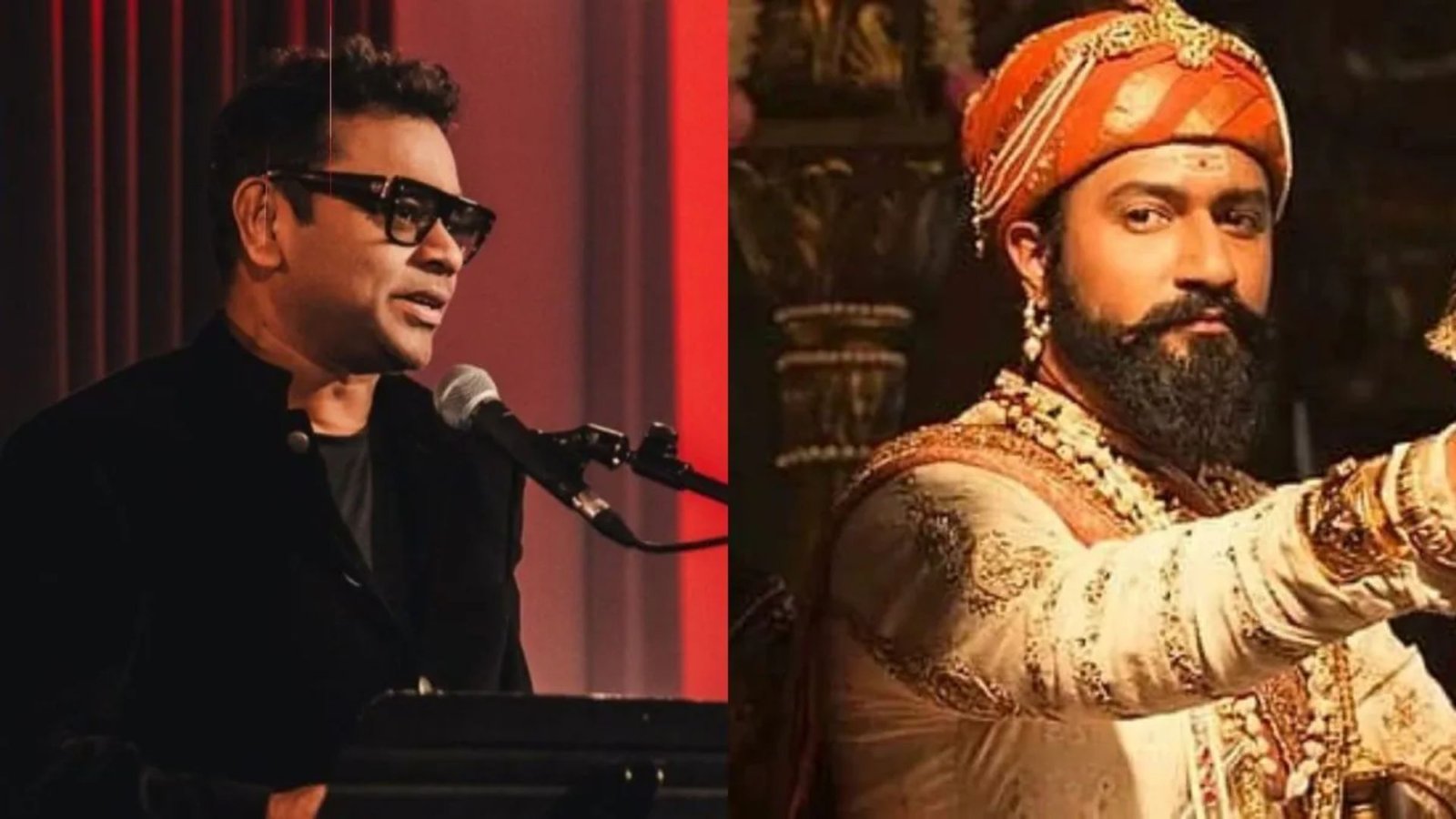
AR Rahman addresses Chhaava remark controversy
Renowned composer AR Rahman has expressed a desire to move past the controversy surrounding his comments about the film ‘Chhaava’, which sparked accusations of communalism. Speaking to media outlets, Rahman stated that he is focused on moving forward, acknowledging the difficulty in being heard when attempting to explain his position. The controversy erupted after Rahman made remarks perceived by some as linking the film’s themes to communal tensions, leading to significant backlash and demands for an apology. Rahman’s statement comes amidst ongoing discussions about the film’s narrative and its interpretation. He emphasized the challenge of communication, suggesting that explanations often fall on deaf ears. The situation highlights the sensitive nature of cultural and religious discourse in the Indian film industry. Rahman’s career, marked by numerous accolades including Oscars, has occasionally intersected with public debates on social issues, though this instance represents a notable point of contention. His call to move on signals a desire to shift focus back to his creative work and artistic contributions, away from the current controversy.
The ‘Chhaava’ controversy underscores the complex interplay between art, politics, and public perception. Rahman’s comments, while intended perhaps to highlight societal divisions, were interpreted by critics as insensitive or divisive. The backlash included calls for boycotts and online campaigns, reflecting the heightened sensitivity surrounding communal issues in contemporary India. Rahman’s response, framed as a plea for understanding and a move towards resolution, attempts to navigate this delicate landscape. His statement, ‘When you explain, they won’t listen,’ encapsulates a sense of frustration common in public discourse where differing viewpoints often fail to find common ground. This incident adds another layer to the ongoing conversation about responsibility and impact for public figures in India’s vibrant but sometimes contentious cultural sphere.
Moving forward, the focus may shift back to Rahman’s upcoming projects and musical endeavors. The controversy serves as a reminder of the potential for artistic expression to ignite widespread debate, sometimes beyond the creator’s intent. Rahman’s career trajectory suggests resilience in the face of criticism, with past controversies often giving way to renewed creative output. The resolution of this particular dispute, however, remains to be seen, as public sentiment continues to evolve around the film and its creator’s statements.
Image Source: Google | Image Credit: Respective Owner