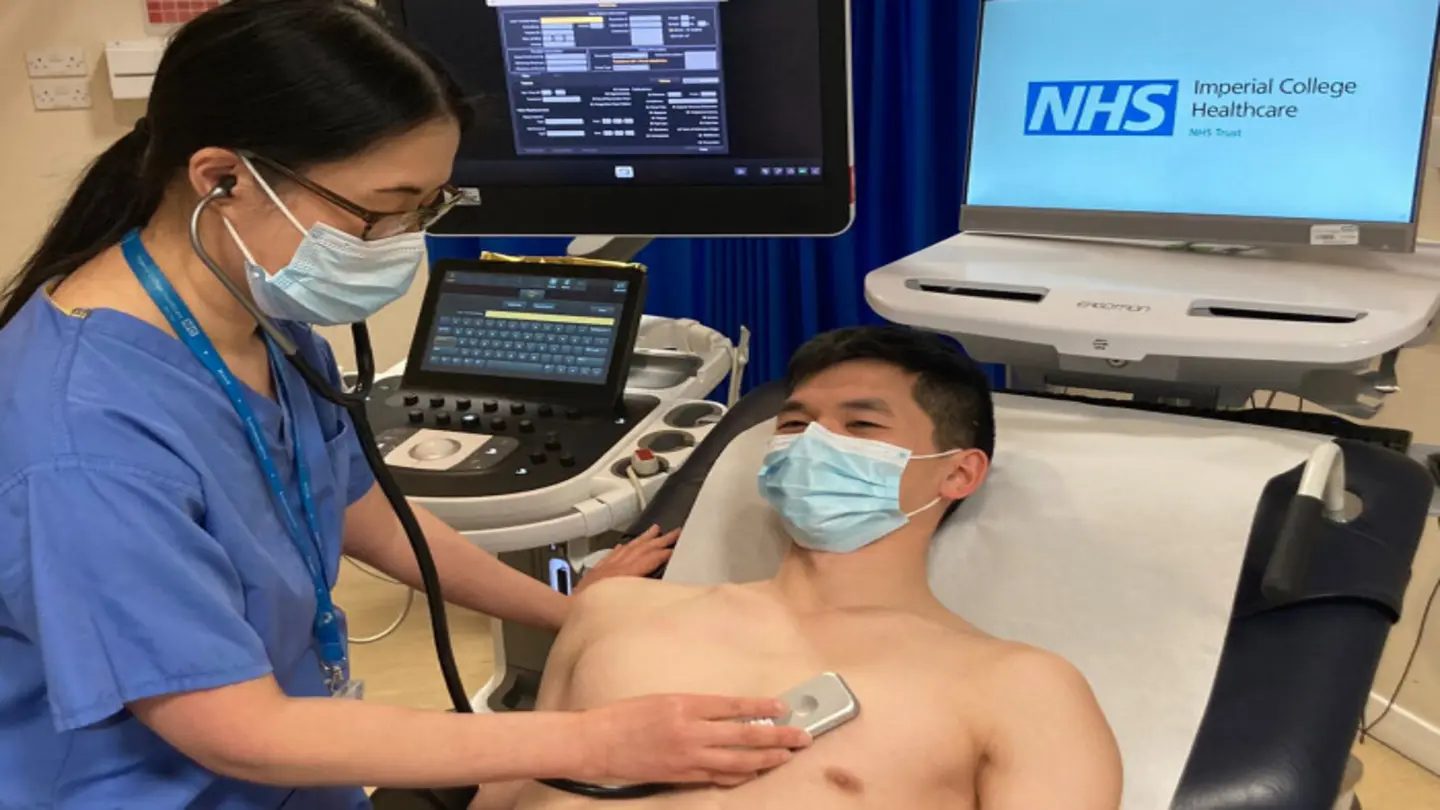
A new AI-powered stethoscope is significantly improving the detection of valvular heart disease, a serious condition often missed by traditional methods. Developed by researchers at the University of Southern California (USC), the device demonstrates a remarkable 100% increase in the detection rate compared to conventional stethoscope readings. This breakthrough holds immense promise for early diagnosis and improved patient outcomes.
How the AI Works
The USC team developed a sophisticated AI algorithm that analyzes sounds captured by the stethoscope. The algorithm is trained on a vast dataset of heart sounds, meticulously labeled with information about the presence and severity of valve abnormalities. By learning to identify subtle acoustic patterns associated with different valve conditions, the AI can differentiate between normal heart sounds and those indicative of disease.
Benefits of Early Detection
Valvular heart disease can lead to heart failure, arrhythmias, and other complications if left untreated. Early detection allows for prompt intervention, such as medication, valve repair, or replacement, potentially preventing or delaying these adverse effects. The AI stethoscope offers a more accessible and potentially cheaper alternative to traditional cardiac imaging techniques like echocardiograms.
Clinical Validation
The device has undergone rigorous clinical validation, with results published in the journal Nature Medicine. In a study involving over 200 patients, the AI stethoscope accurately identified valve disease in cases where conventional methods failed. The system’s performance was consistent across various patient populations, including those with different levels of heart disease severity.
Future Implications
The development of this AI stethoscope represents a significant step forward in precision medicine. By leveraging artificial intelligence to analyze physiological data, clinicians can gain a deeper understanding of patients’ health and tailor treatment plans accordingly. The technology has the potential to be widely adopted in clinical settings, transforming the way heart disease is diagnosed and managed. Further research is focused on refining the AI’s accuracy and expanding its capabilities to detect other cardiac abnormalities. The team also plans to explore the use of this technology in remote and underserved areas where access to specialized cardiac care is limited.
This innovation combines advanced technology with clinical expertise to improve patient care and address a significant public health concern.
Image Source: Google | Image Credit: Respective Owner