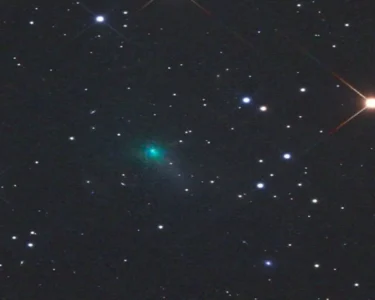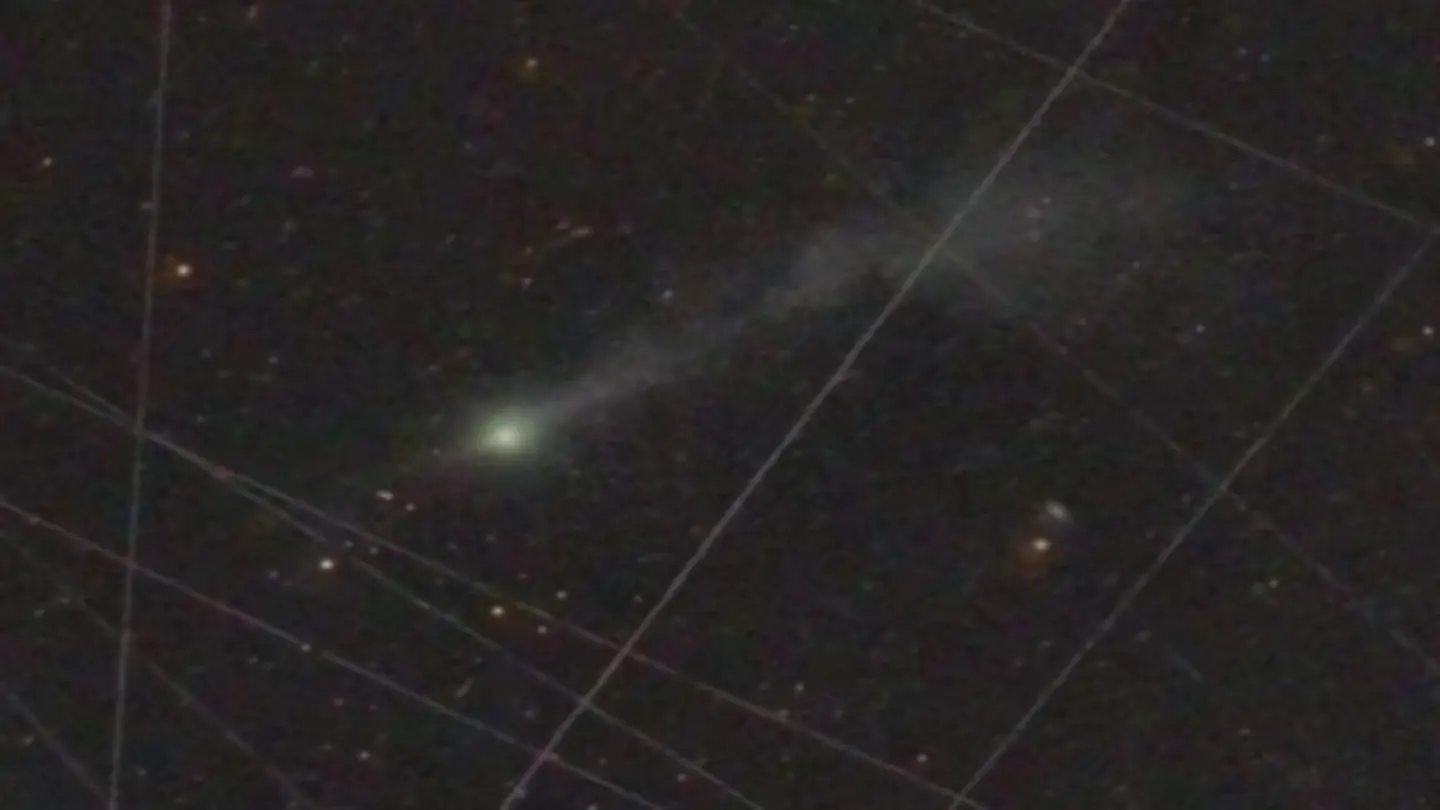
Astronomers have detected methane in comet 3I/Atlas, offering new insights into the icy body’s composition and behavior. The discovery, made using the Atacama Large Millimeter/submillimeter Array (ALMA), is significant because methane is a relatively unstable molecule that readily evaporates in sunlight. Its presence suggests the comet originated in a colder region of the solar system.
Understanding Comet Composition
Comets are often referred to as “dirty snowballs,” composed of ice, dust, and frozen gases. Studying their composition provides clues about the early solar system’s formation. The detection of methane adds another layer of complexity to our understanding of 3I/Atlas, a periodic comet that last visited the inner solar system in 2009.
The discovery isn’t just about the presence of methane; it also allows scientists to refine estimates of the comet’s size and physical characteristics. Observations obtained by ALMA have improved the understanding of the coma’s structure, the cloud of gas and dust surrounding the comet’s nucleus. These observations help researchers better model the comet’s outgassing and predict its future behavior as it approaches the Sun.
ALMA’s Role in Comet Research
ALMA, an international collaboration, is a powerful tool for studying celestial objects. Its high-resolution observations have been instrumental in uncovering details about comets that were previously invisible. By observing the faint radio emissions from the comet, ALMA can determine the abundance of different molecules and map the distribution of dust and gas in the coma.
The revised size estimates are still being refined, but the new data are contributing to a more accurate picture of the comet’s structure and mass. This information is crucial for understanding how comets evolve over time and how they may have contributed to the delivery of water and organic molecules to the early Earth. Further observations are planned to continue characterizing 3I/Atlas and other comets, furthering our understanding of the solar system’s history.
The ongoing research surrounding 3I/Atlas highlights the importance of continued exploration of comets and their potential role in the evolution of our solar system. Future missions are planned to study comets up close, providing even more detailed data on their composition and origin.
Image Source: Google | Image Credit: Respective Owner