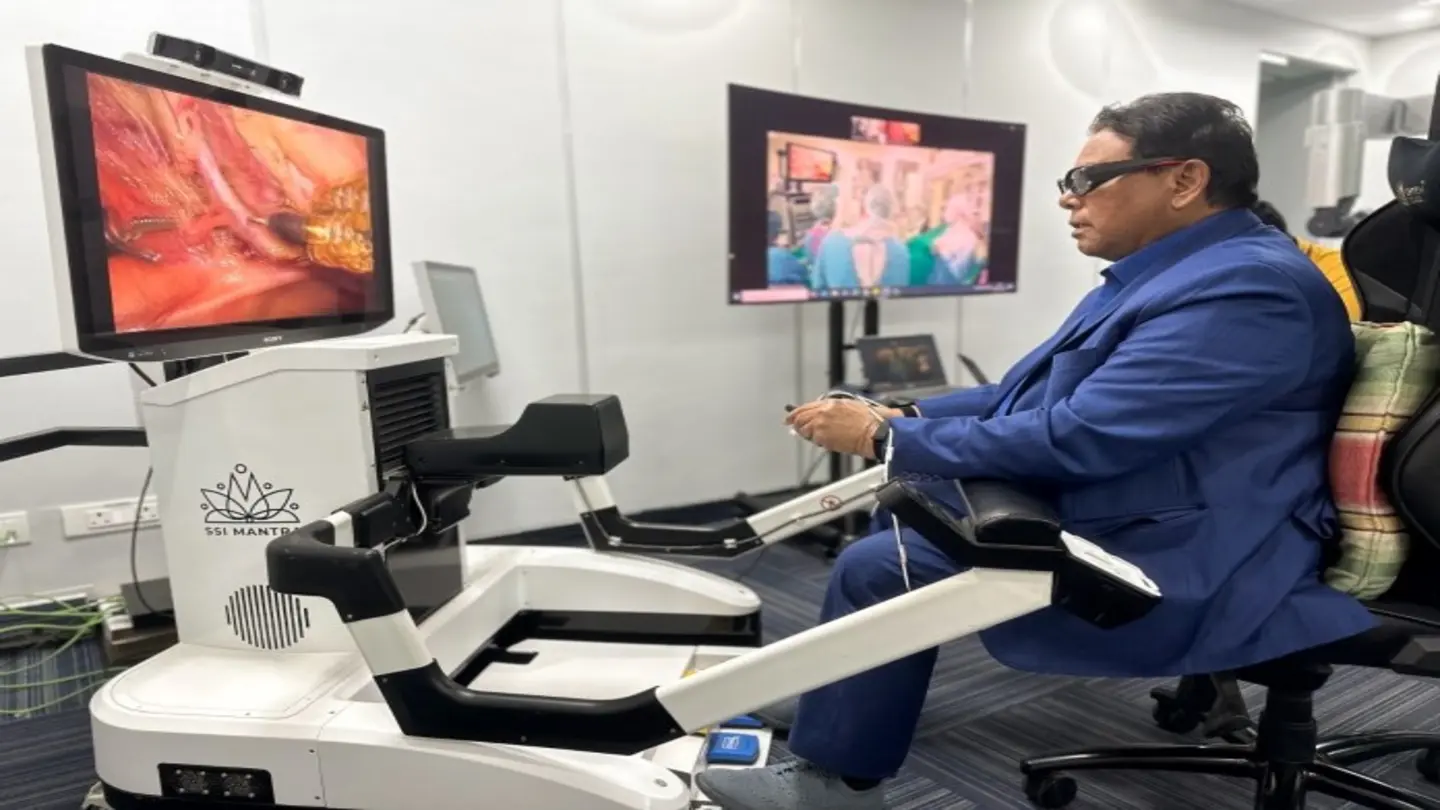
Dr. Sudhir Srivastava, a renowned expert in robotic surgery, has emphasized the transformative potential of indigenous robotics in revolutionizing cancer treatment across India. Speaking to The Indian Practitioner, he highlighted how locally developed robotic systems can enhance precision, reduce costs, and improve accessibility in oncology care, particularly in underserved regions.
Bridging the Gap in Cancer Treatment
Dr. Srivastava pointed out that India faces significant challenges in delivering equitable cancer care due to infrastructural limitations and high costs associated with advanced technologies. Indigenous robotics, he argued, could address these gaps by offering affordable, scalable solutions tailored to local needs. ‘Custom-built robotic platforms can democratize access to minimally invasive surgeries,’ he stated, ‘reducing recovery times and improving outcomes for millions.’
Innovation in Surgical Robotics
The discussion focused on recent advancements in homegrown robotic systems designed for tumor resections, biopsies, and radiation targeting. These systems integrate AI-driven imaging and haptic feedback, enabling surgeons to operate with greater accuracy. Dr. Srivastava cited examples like the ‘Astra’ robotic arm, developed by Indian engineers, which has shown promise in early clinical trials for prostate and ovarian cancers.
He also stressed the importance of training programs to build surgical proficiency, noting collaborations between medical institutions and tech startups to accelerate adoption. ‘The goal is to create a sustainable ecosystem where technology complements human expertise,’ he added.
Cost-Effectiveness and Scalability
A key advantage of indigenous robotics lies in its cost-effectiveness. Imported robotic systems often carry prohibitive price tags, while locally manufactured alternatives could cut expenses by up to 60%. Dr. Srivastava emphasized that lowering costs would enable more hospitals—including rural facilities—to adopt these technologies, ultimately reducing the burden on urban cancer centers.
Additionally, he outlined plans for mobile robotic units capable of reaching remote areas, ensuring timely diagnostics and interventions. Such initiatives align with India’s National Health Policy goals of universal healthcare access.
Future Prospects and Challenges
While optimistic, Dr. Srivastava acknowledged hurdles like regulatory approvals and funding constraints. He called for stronger public-private partnerships and policy reforms to fast-track innovation. ‘We need a cohesive strategy that supports R&D while ensuring patient safety,’ he remarked.
The interview concluded with his vision for India to become a global hub for affordable robotic oncology solutions—a model that could inspire other developing nations. As indigenous robotics gains momentum, it carries the potential to redefine cancer care not just in India, but worldwide.
Image Source: Google | Image Credit: Respective Owner