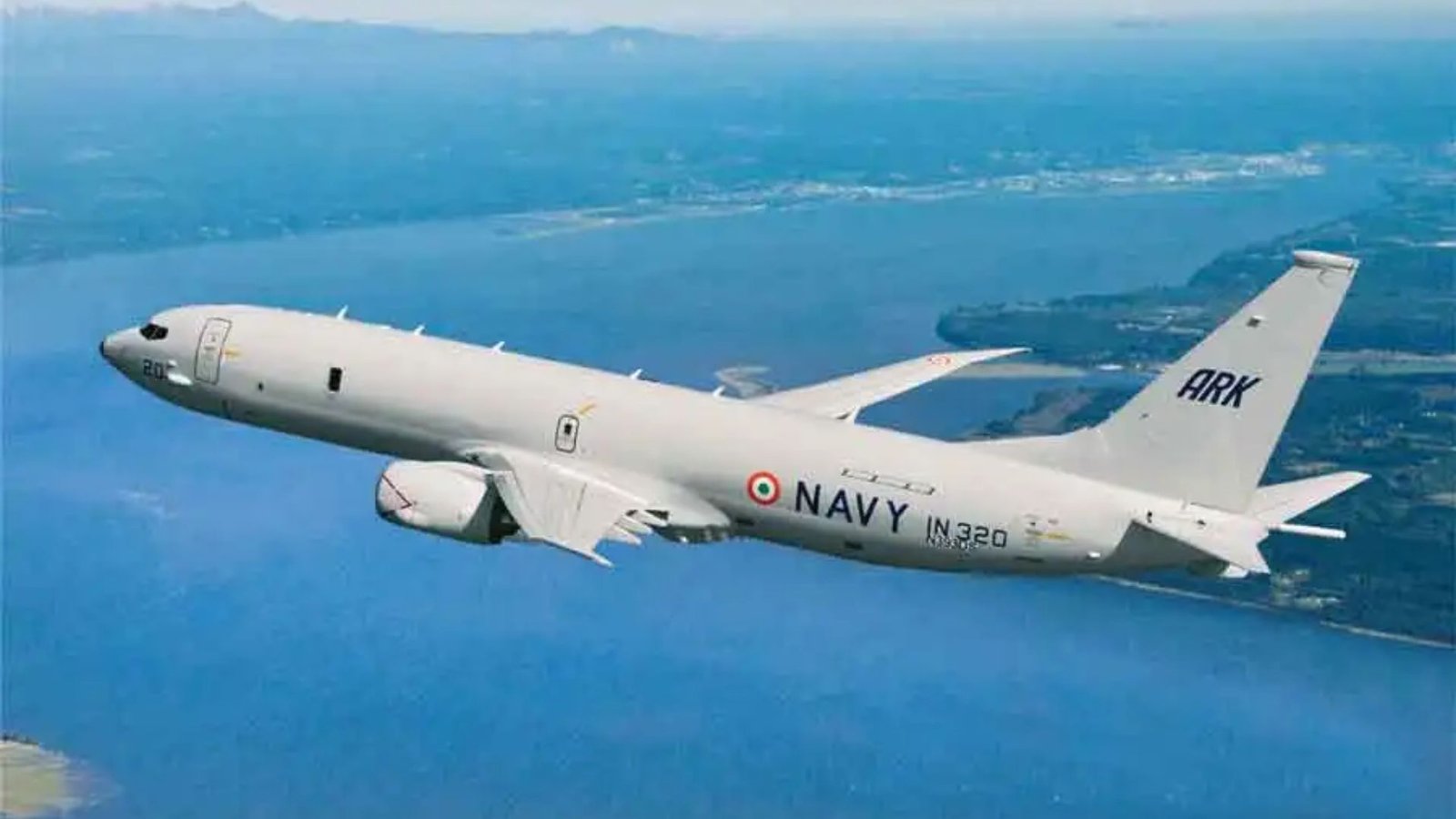
India and the United States are poised to seal a significant defence partnership that will involve the procurement of three additional P-8I anti‑submarine warfare aircraft, bolstering the Indian Navy’s long‑range surveillance and sea‑control capabilities.
Deal Overview
The agreement, valued at approximately three billion dollars, reflects a deepening of bilateral security cooperation. Government sources indicate that final negotiations have entered a concluding phase, with both ministries confirming that contractual terms are expected to be announced in the coming weeks. The acquisition forms part of a broader modernisation programme aimed at reinforcing India’s maritime posture in the Indian Ocean region.
The P-8I, a variant of the US Navy’s Poseidon aircraft, is equipped with advanced sensors, including radar, acoustic detection systems and electromagnetic anomaly detectors. These platforms enable comprehensive monitoring of surface vessels, submarines and maritime traffic over vast oceanic expanses. Operators can conduct anti‑submarine warfare, search and rescue missions, and surveillance of illegal fishing activities, thereby enhancing national security and economic oversight.
Strategically, the deal underscores the mutual interest of India and the United States in counterbalancing regional challenges. By integrating the P-8I fleet, India gains real‑time intelligence sharing capabilities with allied forces, facilitating joint patrols and coordinated responses to emergent threats. The acquisition also aligns with India’s ambition to project a credible maritime deterrent while maintaining an independent defence posture.
Analysts view the transaction as a diplomatic signal that transcends mere hardware transfer. It reinforces a trajectory of increasing defence collaboration, joint exercises and technology exchange between the two nations. The partnership is expected to catalyse further procurement projects, ranging from unmanned aerial systems to joint research initiatives in naval architecture.
Industry experts anticipate that the introduction of these aircraft will not only modernise India’s anti‑submarine warfare framework but also stimulate domestic aerospace engagement through technology transfer agreements. Over time, this could accelerate indigenous development of maritime patrol assets, reducing reliance on foreign imports.
Overall, the forthcoming P-8I deal exemplifies how strategic defence pacts can convergent security objectives with economic and technological benefits, paving the way for a more robust and interoperable maritime ecosystem in the Indo‑Pacific.
The timing of the agreement also coincides with heightened geopolitical tension in the Indo‑Pacific, where competing maritime claims and naval posturing have escalated. By enhancing its anti‑submarine capabilities, India not only strengthens its deterrence posture but also contributes to regional stability, fostering a collaborative security architecture that can adapt to evolving threats and ensuring long‑term maritime resilience.
Image Source: Google | Image Credit: Respective Owner