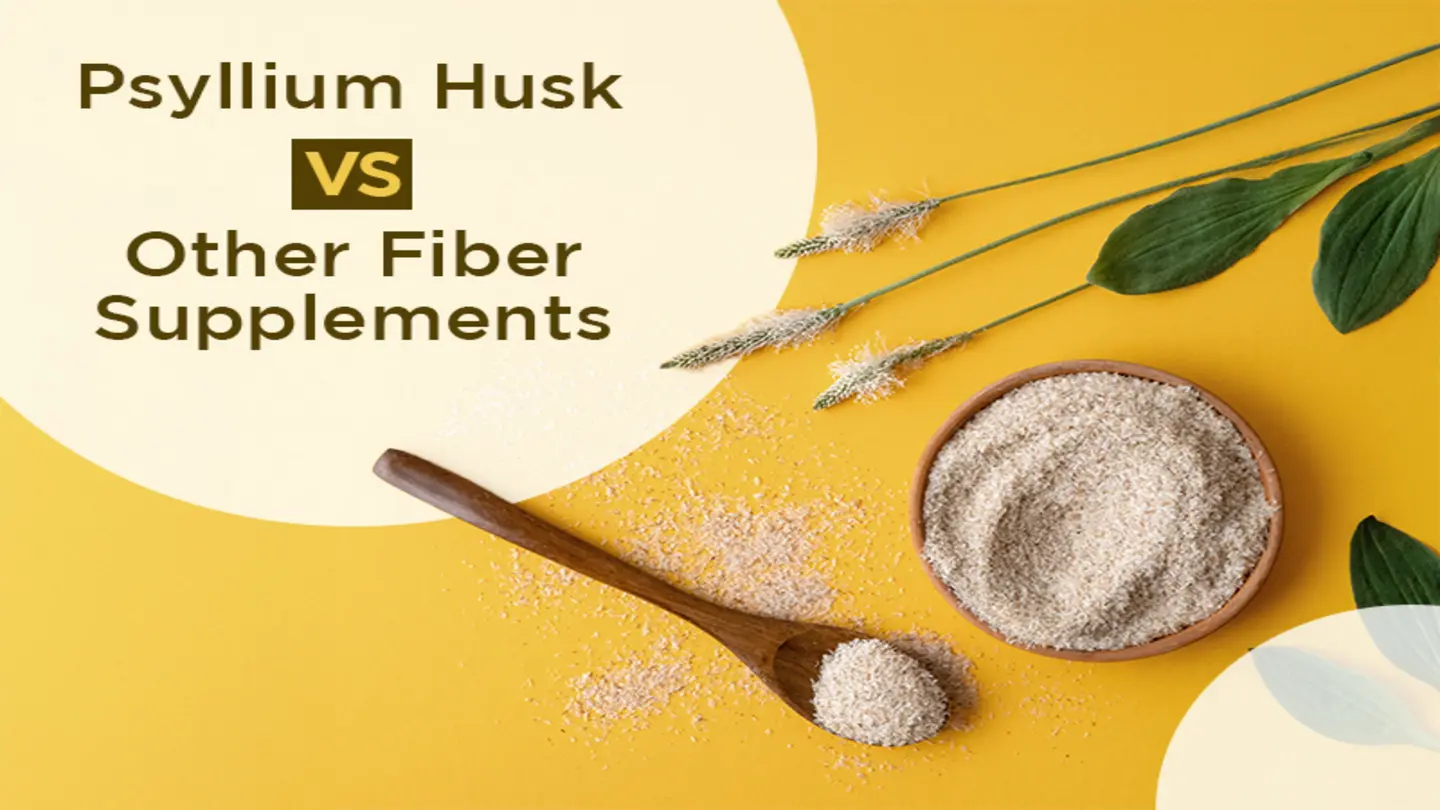
An organic chemist has weighed in on the debate surrounding psyllium husk, a popular dietary fiber supplement, offering insights into its potential health benefits and the most effective ways to incorporate it into one’s diet. The Hindustan Times report details the chemist’s analysis, highlighting the compound’s role in promoting digestive health and potentially aiding in weight management.
Psyllium husk, derived from the seeds of the Plantago ovata plant, is widely used as a bulk-forming fiber. This means it absorbs water in the digestive tract, increasing stool volume and making it easier to pass. This effect is particularly beneficial for individuals experiencing constipation or irregular bowel movements. The chemist emphasized that the fiber’s ability to add bulk stimulates peristalsis, the natural muscle contractions that move food through the digestive system.
Health Benefits Explained
Beyond alleviating constipation, the report suggests several other potential health advantages associated with psyllium husk consumption. It can contribute to feelings of fullness, which may help reduce overall calorie intake and support weight loss efforts. Furthermore, research indicates that psyllium husk may positively influence blood sugar control by slowing down the absorption of glucose into the bloodstream. This is particularly relevant for individuals with diabetes or those at risk of developing the condition.
The chemist also noted that psyllium husk can help lower cholesterol levels. The fiber binds to bile acids in the gut, preventing their reabsorption and prompting the liver to produce more cholesterol to replace them. However, it’s crucial to consume psyllium husk with ample water to avoid potential digestive discomfort, such as bloating or gas. Insufficient water intake can lead to the fiber forming a gel-like substance that’s difficult for the body to process.
Optimal Consumption
The article outlines the recommended way to consume psyllium husk. It’s typically taken as a powder mixed with water or juice. Starting with a small dose (one to two teaspoons) and gradually increasing it over time is advised to allow the digestive system to adjust. It’s also important to space out the doses throughout the day to maintain a consistent level of fiber intake. Combining it with a healthy diet rich in fruits, vegetables, and whole grains further amplifies its benefits.
While generally considered safe, individuals with certain medical conditions, such as swallowing difficulties or a history of intestinal blockages, should consult with a healthcare professional before incorporating psyllium husk into their diet. As with any dietary supplement, it’s essential to prioritize a balanced and varied nutritional intake.
Image Source: Google | Image Credit: Respective Owner