Catching cancer in its early stages significantly increases the chances of successful treatment and survival. While regular check-ups with a physician are crucial, several routine health tests can play a vital role in identifying potential issues before they become serious. Here are five key tests that can help improve your cancer detection rate:
1. Pap Test and HPV Test: This screening is primarily for women and focuses on detecting cervical cancer. The Pap test examines cells from the cervix for abnormalities, while the HPV test identifies the human papillomavirus, a common virus that can cause cervical cancer. Regular screenings, typically starting at age 21, are highly recommended.
2. Prostate-Specific Antigen (PSA) Test: For men, the PSA test is used to screen for prostate cancer. PSA is a protein produced by the prostate gland. Elevated levels can indicate the presence of cancer, but it can also be elevated due to benign prostate enlargement. Discussion with a doctor about the risks and benefits is essential before undergoing this test.
3. Mammogram: A mammogram is an X-ray of the breast used to detect breast cancer. Screening mammograms are recommended for women starting at age 40 or 45, depending on individual risk factors and guidelines. Regular mammograms can help identify tumors early, when they are most treatable.
4. Colonoscopy:
Colonoscopies are crucial for detecting colorectal cancer. This procedure involves inserting a flexible tube with a camera into the colon to examine the lining for polyps or other abnormalities. Regular colonoscopies, typically starting at age 45, can prevent colorectal cancer by removing precancerous polyps before they develop into cancer.
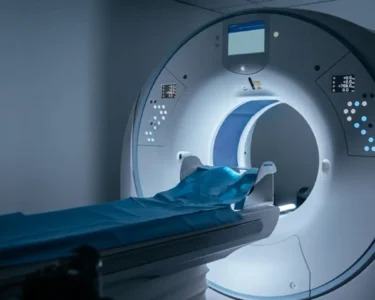
5. Low-Dose CT Scan for Lung Cancer Screening: Individuals who have a significant risk of lung cancer, such as current or former smokers, may benefit from low-dose CT scans. These scans can detect small lung nodules that may be too small to be felt during a physical exam. Early detection of lung cancer significantly improves treatment outcomes.
Important Note: It’s crucial to discuss these tests with your healthcare provider to determine which screenings are appropriate for your individual risk factors and medical history. These tests are not a substitute for regular check-ups and should be part of a comprehensive approach to cancer prevention and early detection. Early detection is key to improving survival rates and overall health outcomes.
Image Source: Google | Image Credit: Respective Owner