Walking, a cornerstone of healthy aging, can ironically contribute to knee pain and damage for many individuals over 50. A recent article from Silicon Canals highlights a common walking mistake that significantly increases the risk of osteoarthritis and other knee-related issues. The issue isn’t simply that people walk; it’s *how* they walk.
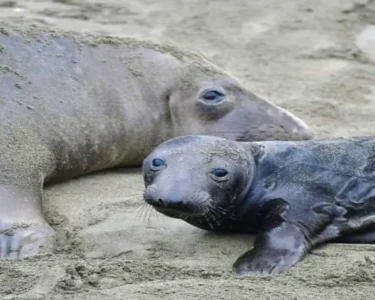
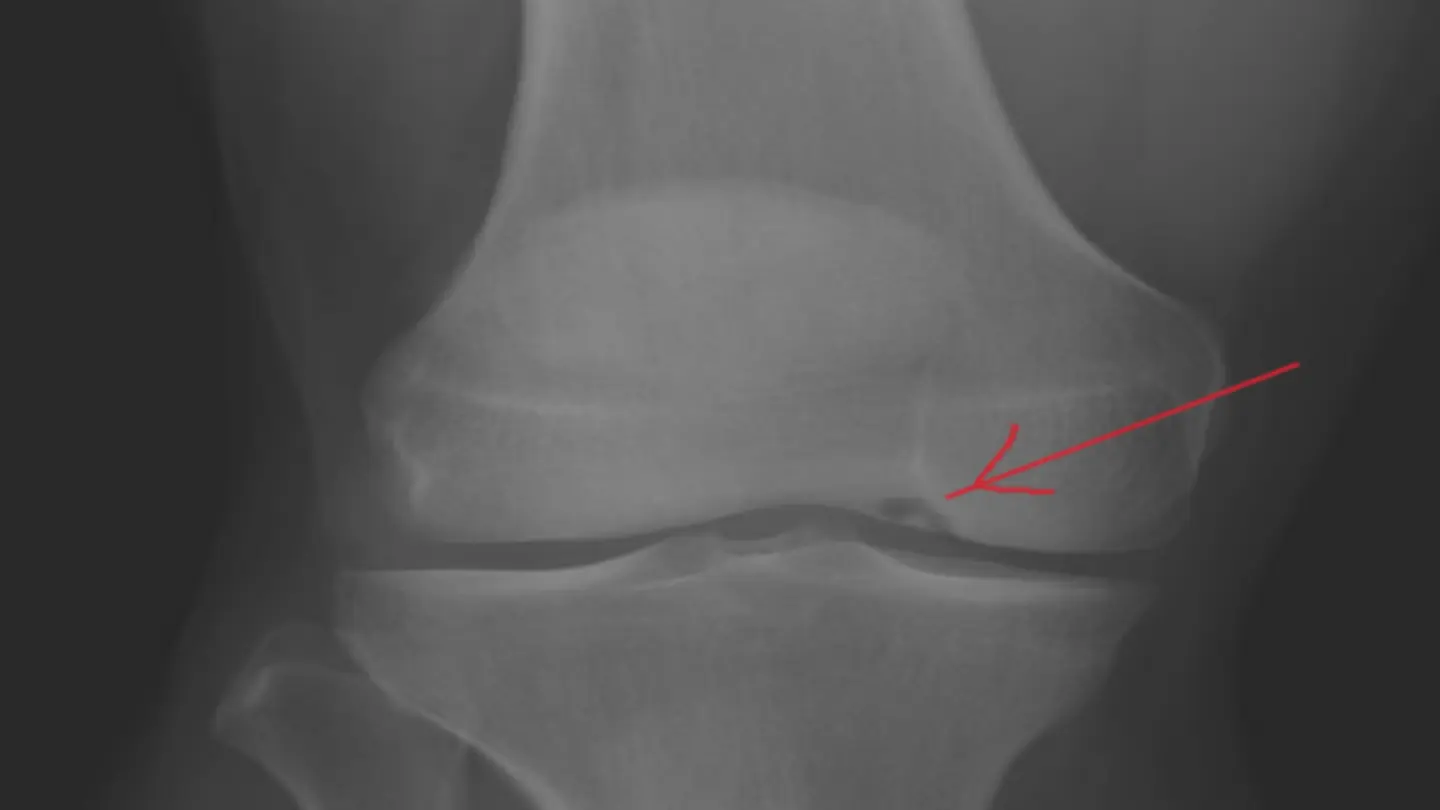
The article emphasizes the importance of proper gait mechanics. Many older adults unconsciously adopt a shorter, more shuffling stride when walking, a pattern often referred to as ‘penguin walking.’ This style of walking places excessive stress on the knee joint, particularly the medial compartment – the inner side of the knee. This concentrated pressure accelerates cartilage breakdown and inflammation, leading to pain and ultimately, osteoarthritis.
Why is Penguin Walking a Problem?
The mechanics of penguin walking involve a decreased range of motion in the hip and ankle. As a result, the knee is forced to absorb a disproportionate amount of impact with each step. Furthermore, the altered gait can lead to changes in muscle activation patterns, weakening the muscles surrounding the knee and further destabilizing the joint. This creates a vicious cycle of pain, weakness, and increased stress on the knee.
Researchers suggest that this walking style often develops gradually over time due to factors such as age-related muscle loss (sarcopenia), decreased proprioception (the body’s awareness of its position in space), and changes in joint stiffness. However, it’s not an inevitable consequence of aging. With conscious effort and targeted exercises, individuals can modify their gait and mitigate the risk of knee damage.
Recommendations for Improved Walking Technique
The Silicon Canals article recommends several strategies for improving walking technique. These include focusing on a longer, more natural stride length, actively engaging the glutes and hamstrings, and maintaining a slight bend in the knees to absorb shock. Regular strength training exercises, particularly those targeting the quadriceps, hamstrings, and glutes, are also crucial for supporting the knee joint. Additionally, incorporating low-impact activities like swimming or cycling can provide cardiovascular benefits without placing excessive stress on the knees.
It’s important to note that knee pain is a complex issue with multiple potential causes. While improper walking technique is a significant contributor, other factors such as underlying osteoarthritis, previous injuries, and obesity can also play a role. Consulting with a physical therapist or healthcare professional is recommended for a comprehensive assessment and personalized treatment plan. Addressing walking habits, combined with appropriate medical care, can significantly improve knee health and quality of life for older adults.
Image Source: Google | Image Credit: Respective Owner