China’s Nuclear Purge: Water Fuels Missile Controversy
A recent report by India Today alleges a significant internal shakeup within China’s military leadership, spearheaded by President Xi Jinping, stemming from a critical operational failure involving its nuclear-capable missile program. The core of the controversy revolves around the unexpected use of water instead of traditional fuel within these missiles, a decision that reportedly led to catastrophic consequences and triggered a widespread purge of personnel deemed responsible.
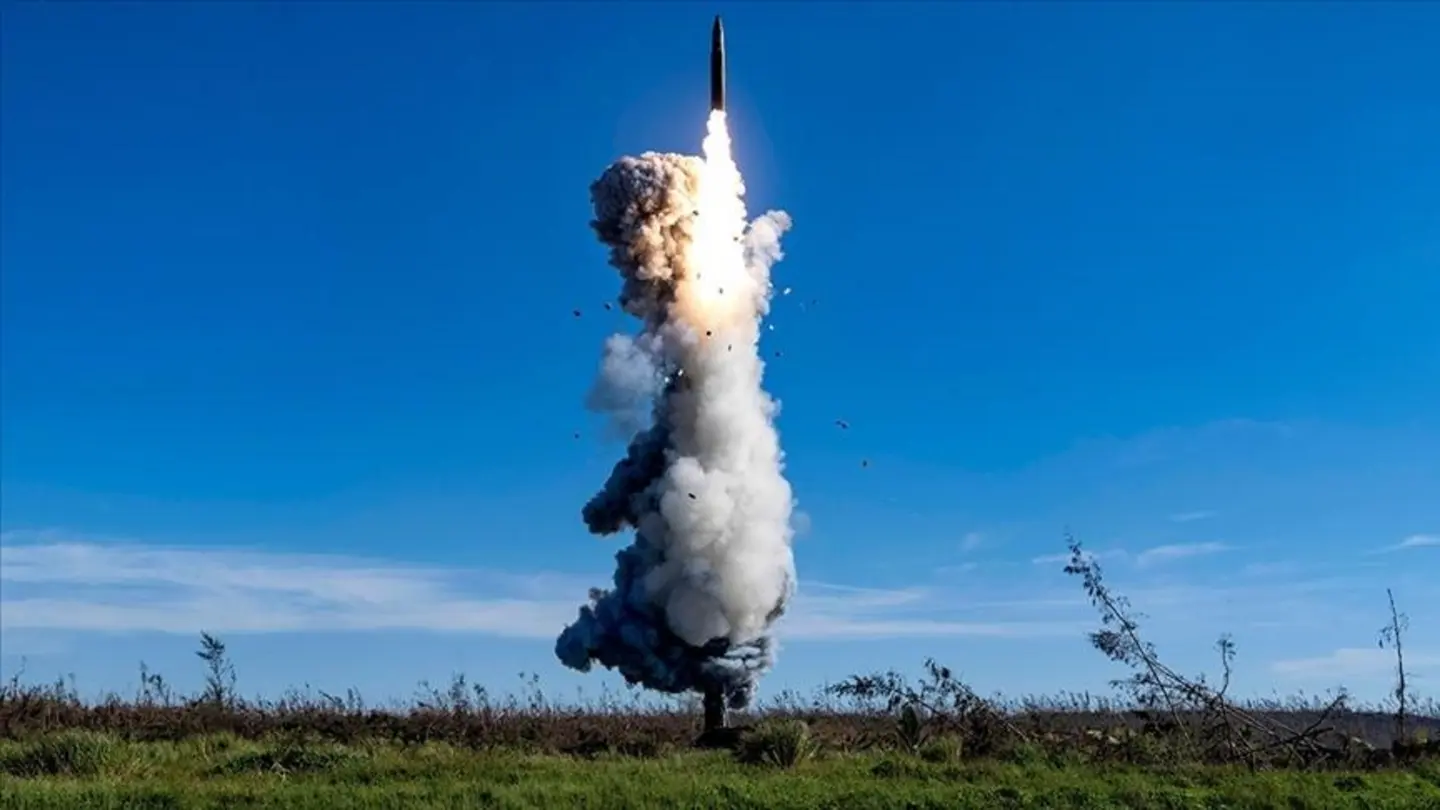
According to the report, the Chinese military, the People’s Liberation Army (PLA), had been experimenting with utilizing water as a propellant in its DF-4 and DF-27 intercontinental ballistic missiles (ICBMs). This unconventional approach, intended to reduce reliance on foreign fuel sources and enhance operational security, ultimately proved disastrous. The water-based system failed to generate sufficient thrust, resulting in a significant loss of missile capability and raising serious questions about the PLA’s technological readiness and strategic planning.
The Fallout and Purge
The failure wasn’t merely a technical glitch; it exposed fundamental flaws in the PLA’s testing procedures and risk assessment protocols. Sources within the Chinese military indicate that the incident prompted a swift and decisive response from Xi Jinping, who initiated a massive purge targeting senior officers and engineers involved in the program. This action, described as ‘Operation Clean Sweep,’ aimed to eliminate any perceived incompetence or negligence and reinforce Xi’s authority within the armed forces.
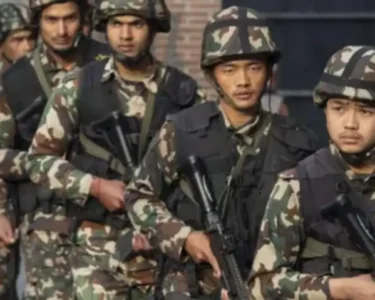
The purge reportedly affected multiple branches of the PLA, including the Rocket Force, responsible for nuclear weapons development and deployment. Individuals implicated in the failure faced immediate demotions, transfers, or, in some cases, dismissal. The scale of the purge suggests a deep-seated concern within the leadership about the potential vulnerability of China’s nuclear deterrent.
The decision to utilize water as a propellant, while seemingly innovative on the surface, highlights the challenges of rapid technological advancement without adequate testing and validation. It also underscores the importance of rigorous quality control and independent oversight within military programs. The incident serves as a cautionary tale, demonstrating the potential consequences of prioritizing speed and secrecy over sound engineering principles.
The report suggests that the failure has not only damaged the PLA’s missile capabilities but has also eroded confidence within the military leadership. Xi Jinping’s response, characterized by a decisive and uncompromising approach, signals a determination to restore the PLA’s prestige and ensure the continued security of China’s nuclear arsenal. Further details regarding the extent of the damage and the long-term implications of this operational failure remain unclear, but the initial reports paint a picture of a significant setback for China’s military ambitions.
The use of water as a propellant is a relatively new concept in missile technology, and its application in ICBMs represents a significant departure from established practices. The failure to achieve the desired results raises questions about the feasibility of this approach and the need for further research and development. The incident is likely to fuel debate within the Chinese military and among defense analysts about the best path forward for China’s nuclear modernization program.
Image Source: Google | Image Credit: Respective Owner