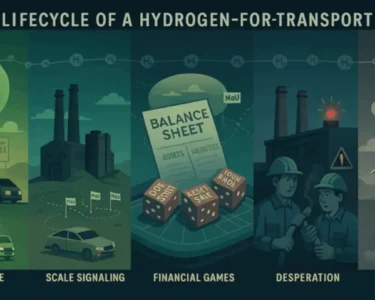
The Rise and Fall of Hype
The tech industry, once dominated by breathless hype and viral marketing, is experiencing a notable shift. Brands that previously relied on creating intense excitement and anticipation around new products – often through aggressive social media campaigns and influencer endorsements – are now facing a period of diminished returns. This isn’t necessarily a sign of a broader economic downturn, but rather a maturing market and a growing skepticism among consumers.
Several factors are contributing to this decline. Firstly, the sheer volume of marketing noise has become overwhelming. Consumers are bombarded with advertisements and product launches daily, leading to ‘hype fatigue.’ The initial excitement quickly fades, and products are often met with lukewarm reception, regardless of the underlying innovation.
Secondly, the rise of social media has fundamentally altered the way consumers discover and evaluate products. Previously, a well-placed advertisement or a positive review in a respected publication could generate significant buzz. Now, consumers are increasingly relying on peer reviews, user-generated content, and independent analysis to make purchasing decisions. Brands that prioritize manufactured hype over genuine value are finding themselves at a disadvantage.
The Shift Towards Substance
What’s replacing the hype? A growing demand for substance. Consumers are prioritizing functionality, durability, and long-term value over fleeting trends and flashy marketing. They’re willing to pay a premium for products that solve real problems and offer tangible benefits. This shift is particularly evident in sectors like consumer electronics and software, where performance and reliability are paramount.
Companies that are successfully navigating this change are focusing on building trust and demonstrating genuine innovation. They’re investing in research and development, prioritizing user experience, and engaging with their customers in a meaningful way. Transparency and authenticity are becoming increasingly important, as consumers are wary of brands that engage in deceptive marketing practices.
The Financial Times’ analysis highlights that companies that initially thrived on hype – often through rapid growth and aggressive expansion – are now struggling to maintain momentum. Their reliance on unsustainable marketing strategies has left them vulnerable to market corrections and changing consumer preferences. Conversely, brands that have consistently delivered quality products and exceptional customer service are weathering the storm and positioning themselves for long-term success.
Looking ahead, the future of branding will likely be characterized by a greater emphasis on value and authenticity. Brands that can successfully demonstrate their worth and build genuine relationships with their customers will be the ones that thrive in this evolving landscape. The era of purely manufactured excitement is waning, replaced by a more discerning and informed consumer base.
Image Source: Google | Image Credit: Respective Owner