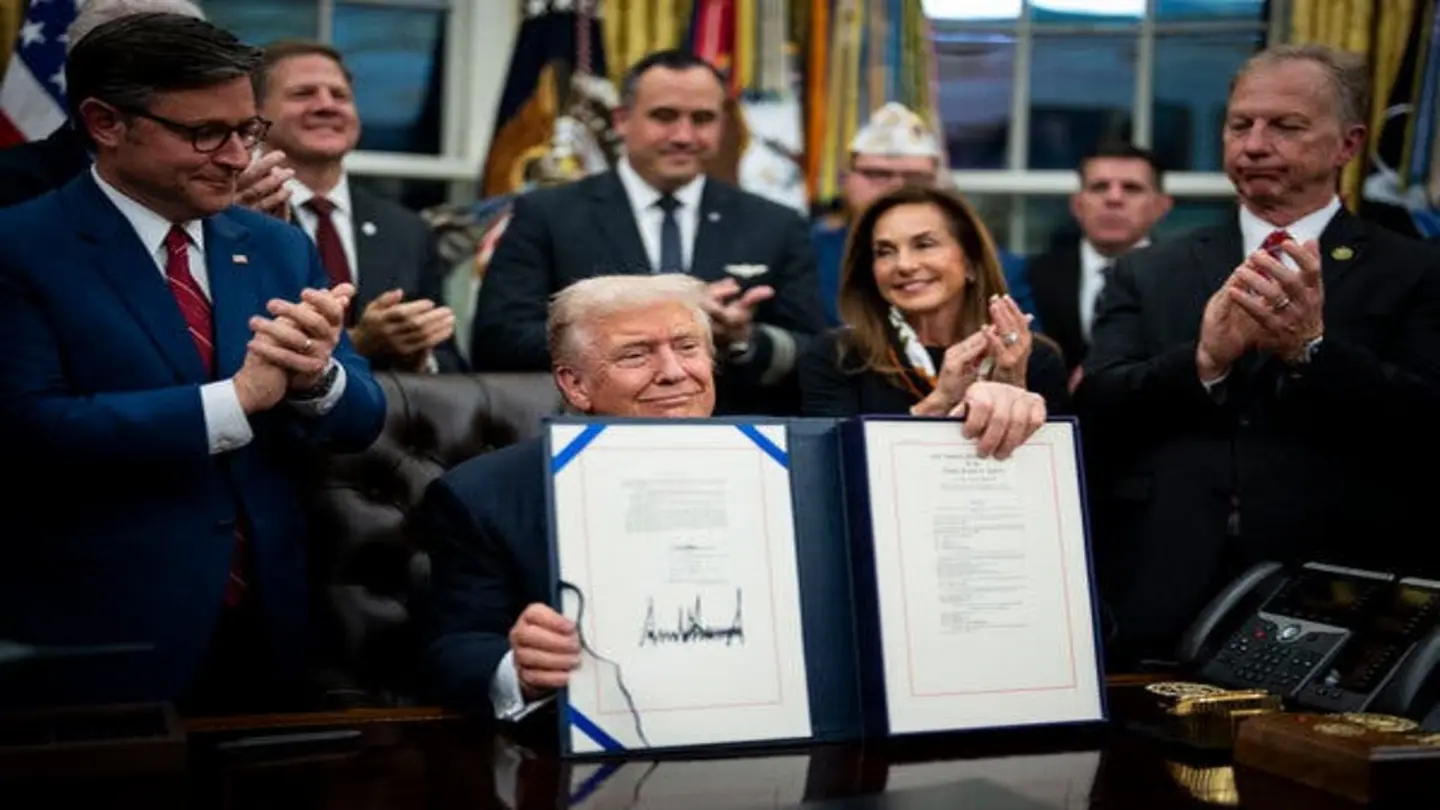
Washington – A potential government shutdown has been averted following a last-minute agreement between Republican House Speaker Mike Johnson and a group of Democratic senators. The deal, brokered late Thursday, addresses key concerns regarding immigration enforcement and Department of Homeland Security (DHS) funding.
The agreement represents a significant victory for both sides, coming just hours before a deadline that would have triggered a lapse in federal funding and a partial government shutdown. Negotiations had been fraught with difficulty, with Republicans demanding stricter border security measures and Democrats pushing for comprehensive immigration reform.
At the heart of the compromise is a plan to temporarily suspend the public charge rule, which previously restricted immigrants from obtaining green cards if they were deemed likely to rely on public benefits. This provision, a key demand from Democrats, aims to alleviate concerns about the rule’s impact on immigrant families and economic mobility. The rule was widely criticized by advocacy groups and legal experts.
Furthermore, the agreement includes provisions to increase funding for border security, although the specifics remain somewhat vague. Details regarding the allocation of these funds are expected to be released in the coming days. Republicans have emphasized the need for increased personnel, technology, and infrastructure at the border to address the ongoing challenges of illegal immigration and drug trafficking.
However, the deal does not include any broad-based immigration reform, a long-standing goal for many Democrats. Instead, it focuses on immediate, short-term measures to prevent a shutdown. Critics argue that this approach fails to address the root causes of the immigration crisis and that more comprehensive legislation is needed to provide a sustainable solution.
The agreement also addresses concerns about DHS funding, ensuring that the agency will receive the necessary resources to carry out its missions. Specifically, the deal includes a continuing resolution (CR) that will fund DHS operations through mid-November, providing a temporary extension of federal funding.
Trump’s involvement, though indirect, played a crucial role in facilitating the negotiations. While he did not directly participate in the talks, his support for the agreement is believed to have encouraged both sides to compromise. Sources indicate that Trump communicated with Johnson and Senate leaders, urging them to reach a deal and avoid a shutdown.
The immediate impact of the agreement is a sense of relief in Washington, where the prospect of a shutdown had loomed large for days. However, the underlying issues of immigration reform remain unresolved, and the debate is likely to continue in the months ahead. The temporary nature of the funding extension also means that the possibility of another shutdown remains a concern in the near future.
The details of the agreement are still being finalized, and lawmakers are expected to vote on the legislation in the coming days. The outcome of that vote will determine whether the United States government will continue to operate without interruption.
This resolution underscores the delicate balance of power in Washington and the challenges of governing in a deeply divided political environment. It also highlights the importance of compromise in finding solutions to complex policy issues.
Image Source: Google | Image Credit: Respective Owner