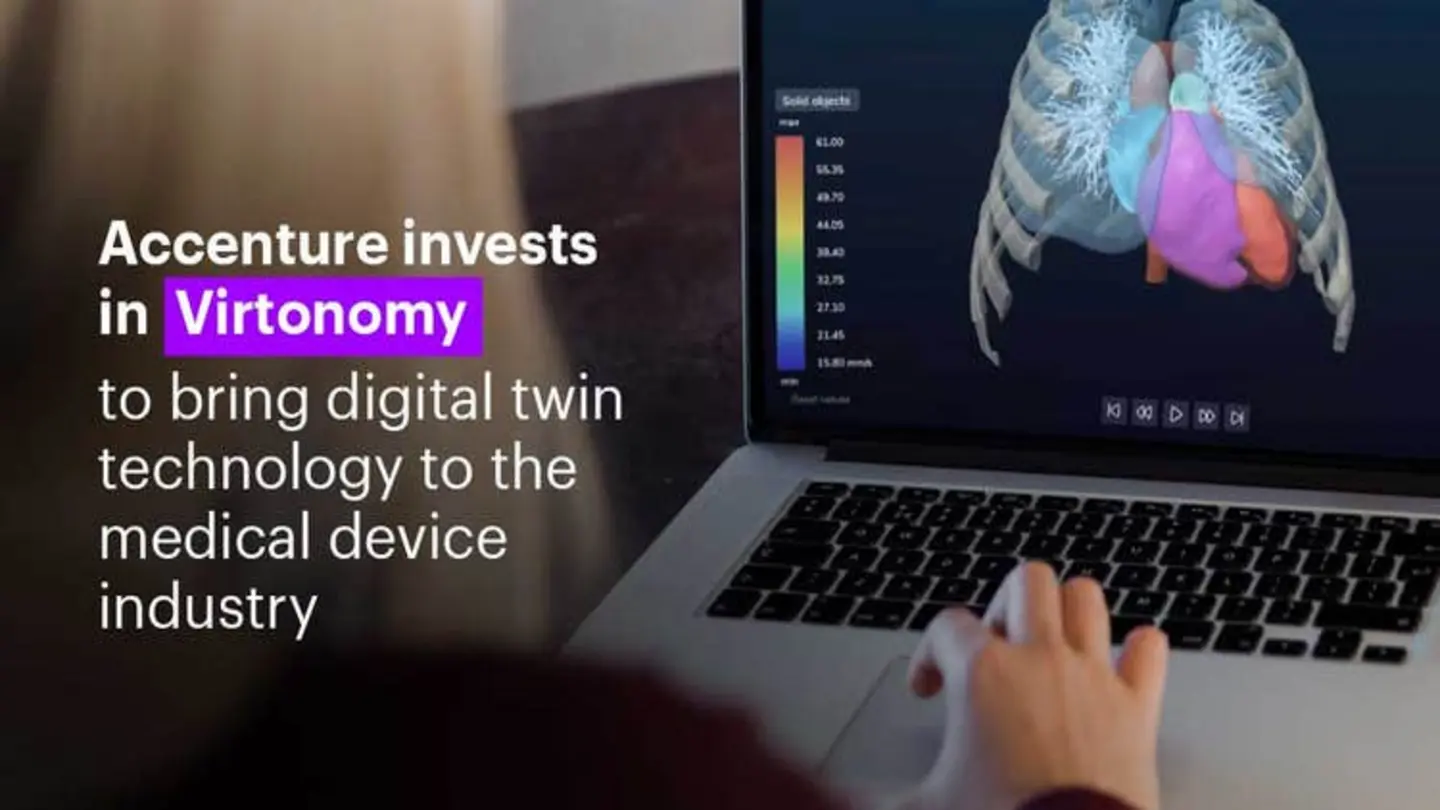
The global digital twin in healthcare market is experiencing substantial growth, driven by the increasing need for personalized medicine, improved patient outcomes, and efficient healthcare operations. A new report from P&S Intelligence forecasts a robust expansion through 2032, citing advancements in technologies like artificial intelligence (AI), machine learning (ML), and the Internet of Things (IoT) as key catalysts.
Digital twins, essentially virtual replicas of physical entities – in this case, patients, organs, or even entire hospitals – allow healthcare professionals to simulate scenarios, predict potential health issues, and tailor treatments with unprecedented precision. This is a shift away from the traditional ‘one-size-fits-all’ approach to healthcare, toward strategies that account for individual variability in genes, environment, and lifestyle.
The report segments the market by component (software, hardware, services), application (drug discovery, personalized medicine, disease management), end-user (hospitals, pharmaceutical companies, research organizations), and region. Software currently dominates the market, due to its crucial role in creating and managing the digital twin environment. Growth in the services segment is predicted to be the highest as the complexity of digital twin implementation drives demand for expert consultation and ongoing support.
Personalized medicine constitutes a significant application area, enabling the development of targeted therapies based on an individual’s unique digital profile. Drug discovery is also benefiting immensely, with digital twins used to model the effects of new compounds and accelerate the clinical trial process. Disease management applications are enabling proactive monitoring and preventative interventions, reducing hospital readmissions and improving long-term health.
Regional Outlook
North America currently holds the largest market share, owing to the advanced healthcare infrastructure, high adoption of technology, and substantial investments in research and development. However, the Asia-Pacific region is projected to witness the fastest growth during the forecast period. This is primarily attributable to the rising geriatric population, increasing prevalence of chronic diseases, and growing healthcare expenditure in countries like China and India. Furthermore, favorable government initiatives aimed at promoting digital health solutions and improving healthcare access are fueling market expansion in the area.
The research identifies key players in the digital twin in healthcare market, highlighting their strategies for innovation, collaborations, and market penetration. Companies are focusing on developing more sophisticated and integrated digital twin platforms, incorporating advanced analytics and real-time data feeds. Challenges remain, including data privacy concerns, the need for interoperability between different systems, and the high initial investment required for implementing digital twin technology.
Despite these hurdles, the potential benefits of digital twins in healthcare are undeniable, positioning the market for continued and substantial growth over the next decade. The ability to predict, prevent, and personalize healthcare is ushering in a new era of medical innovation, driven by the convergence of digital technologies and clinical expertise. The increasing availability of healthcare data and the sophistication of analytic tools create a positive feedback loop, building greater value from twin technologies.
Image Source: Google | Image Credit: Respective Owner