Boeing has forecast that airlines in India and South Asia will require 3,300 new airplanes by 2044, driven by rapidly increasing air travel demand in the region. The projection, released during the Singapore Airshow, signifies a substantial investment in the aviation sector, reflecting the economic growth and expanding middle class fueling passenger traffic.
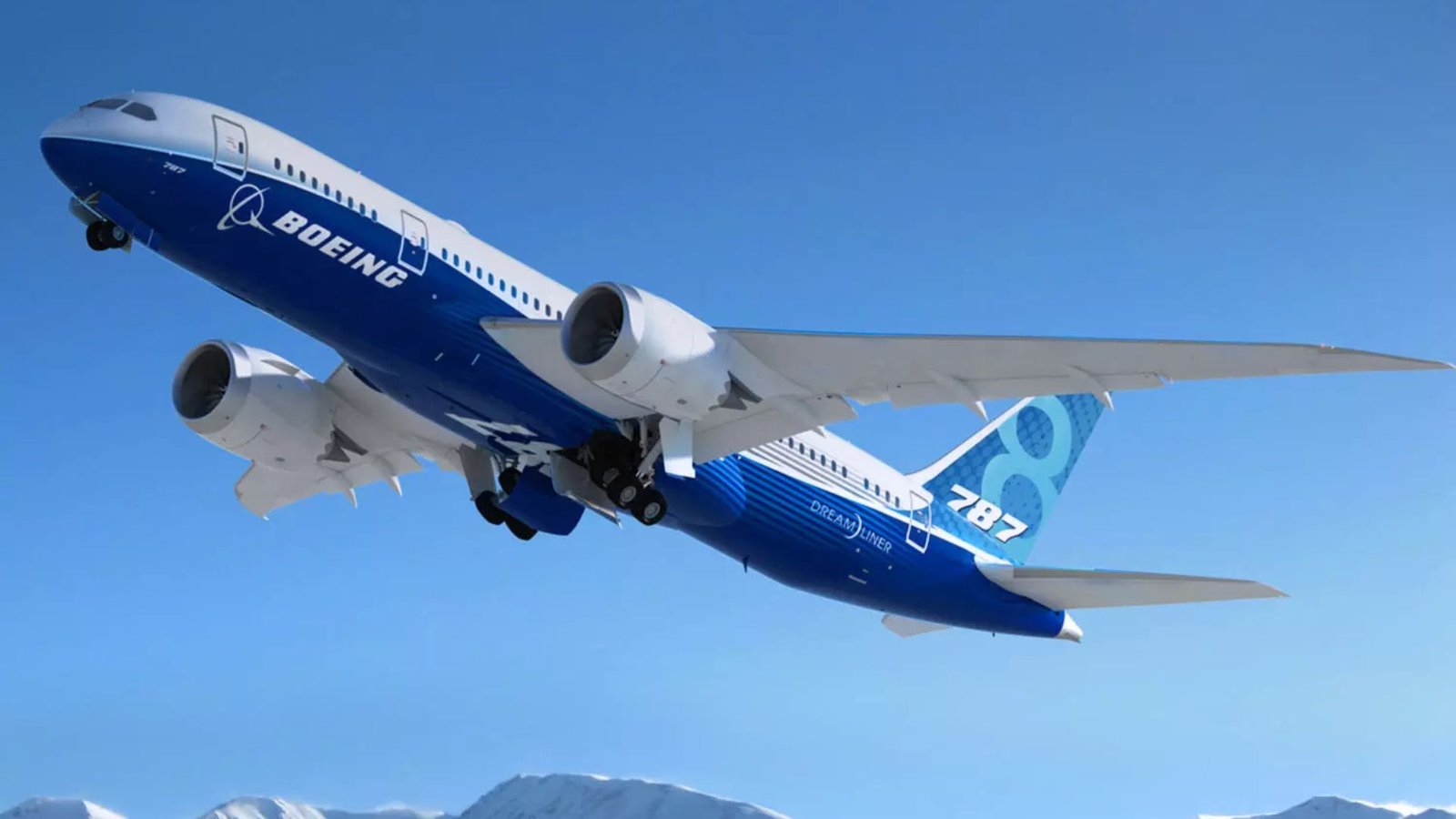
The demand will be for both widebody and narrowbody aircraft, according to Boeing’s outlook. Approximately 2,770 of these will be narrow-body planes, like the Boeing 737 family and competitor Airbus A320 series, while 530 will be widebody aircraft such as the Boeing 787 Dreamliner and 777X. This split reflects the dominance of short-to-medium haul routes within South Asia, while growing international connections necessitate larger, long-haul capable planes.
Boeing estimates that India will account for the largest portion of this demand, driven by a large population and increasing disposable incomes. The country is already experiencing significant growth in its domestic aviation market and is poised to become the world’s third-largest aviation market within the next decade. This growth is underpinned by governmental initiatives promoting regional connectivity and increasing airport infrastructure.
Regional Growth Factors
Beyond India, other South Asian nations like Indonesia, Bangladesh, and Vietnam are also expected to contribute significantly to the increase in air travel. Factors driving this growth include rising economies, increased tourism, and a growing number of people entering the middle class. This regional expansion will necessitate fleet modernization and expansion for existing airlines, alongside the potential emergence of new carriers.
The overall value of these new aircraft deliveries is projected to be substantial, reaching an estimated $700 billion, according to Boeing’s estimates. This figure represents a significant economic opportunity for both aircraft manufacturers and the supporting supply chain. It also highlights the strategic importance of the South Asian aviation market in the global landscape.
Furthermore, Boeing’s prediction assumes a growing need for aviation services to support this expanding fleet. This includes maintenance, repair, and overhaul (MRO) services, pilot and technician training, and the development of supporting infrastructure. These ancillary services will generate additional economic activity and employment opportunities within the region.
The demand forecast is consistent with broader industry projections. Airbus also anticipates significant growth in aircraft demand from the Asia-Pacific region, though their overall assessment might slightly differ. Both manufacturers are actively competing for market share in this vital area, and the Singapore Airshow is being used as a platform to showcase their latest offerings and secure new orders. The competition between Boeing and Airbus will likely intensify as airlines in India and South Asia increasingly look to upgrade their fleets. Successful navigation of this dynamic market will be crucial for both aircraft giants.
The projected aircraft requirement also takes into account the need for fuel-efficient aircraft. Airlines are under increasing pressure to reduce their carbon footprint and operating costs, leading to a preference for newer generation aircraft with improved fuel efficiency and lower emissions. Boeing’s 737 MAX and 787 Dreamliner families, and Airbus’s A320neo and A350 families are all expected to be popular choices within the region.
Image Source: Google | Image Credit: Respective Owner