U.S. Storm Deaths Reach 38 Across 14 States
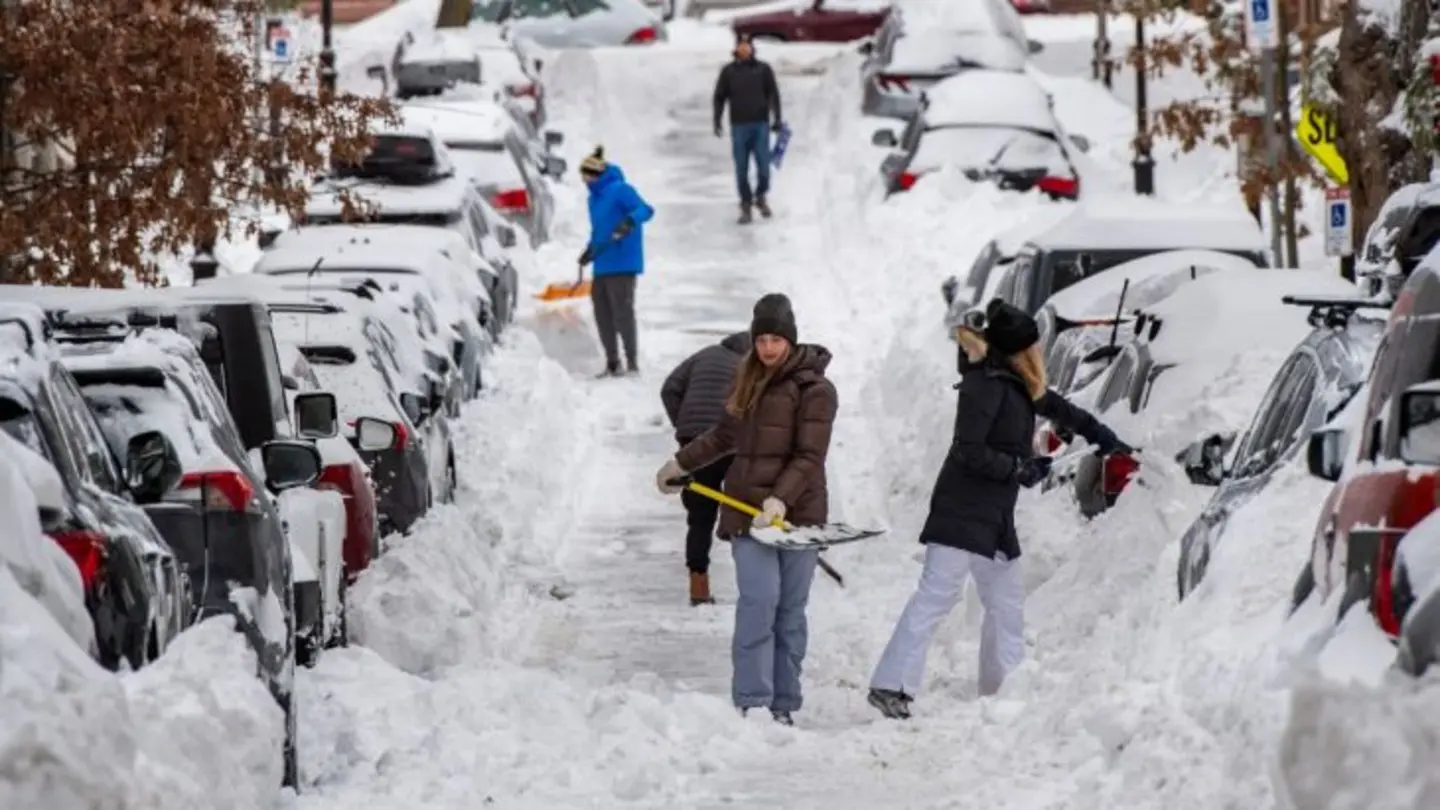
A severe winter storm that swept across a significant portion of the United States has claimed at least 38 lives across 14 states, leaving millions without power and disrupting travel plans nationwide. The frigid temperatures and hazardous conditions, including heavy snowfall and ice storms, are slowly receding from the central and eastern regions, but the aftermath presents ongoing challenges for communities grappling with infrastructure damage and widespread energy outages.
The hardest-hit states include Tennessee, Pennsylvania, New York, and Missouri, each reporting multiple fatalities. The causes of death vary, encompassing traffic accidents on slick roadways, hypothermia due to prolonged exposure to the cold, and carbon monoxide poisoning from the improper use of generators during power outages. Emergency services have been overwhelmed with calls for assistance, and shelters have been operating at capacity to accommodate those displaced by the storm.
Record-low temperatures shattered historical data in numerous cities, straining power grids as demand surged for heating. PowerOutage.us reported that over 2.4 million homes and businesses were left in the dark at the peak of the storm. Utility companies are working tirelessly to restore electricity, but progress is hampered by the extent of the damage and the dangerous conditions faced by repair crews.
Travel Chaos and Ongoing Disruptions
The storm brought transportation networks to a standstill, with thousands of flights canceled and road closures widespread. Airports across the Midwest and Northeast experienced significant delays and disruptions, leaving travelers stranded. Interstate highways, particularly those traversing mountainous regions, were forced to close due to treacherous conditions. While roadways are gradually reopening, officials are urging caution and advising against non-essential travel. The Federal Aviation Administration temporarily halted flights into and out of several major airports, including Chicago’s O’Hare and Midway.
Beyond the immediate safety concerns, the economic impact of the storm is also substantial. Businesses were forced to close, impacting retail sales and service industries. Supply chains were disrupted, leading to potential shortages of essential goods. Agricultural sectors in affected states reported significant losses due to frozen crops and livestock. The full extent of the economic damage remains to be assessed as recovery efforts continue.
The National Weather Service is forecasting a gradual warming trend across the affected areas. However, they caution that refreezing conditions could create new hazards, such as black ice, posing further risks to travelers. Authorities are emphasizing the importance of checking on vulnerable populations, including the elderly and those with limited access to resources.
The storm serves as a stark reminder of the increasing frequency and intensity of extreme weather events linked to climate change. Experts warn that infrastructure systems must be strengthened to withstand future climate shocks and that greater investment in emergency preparedness is crucial to mitigate the impact of these events on communities.
Image Source: Google | Image Credit: Respective Owner