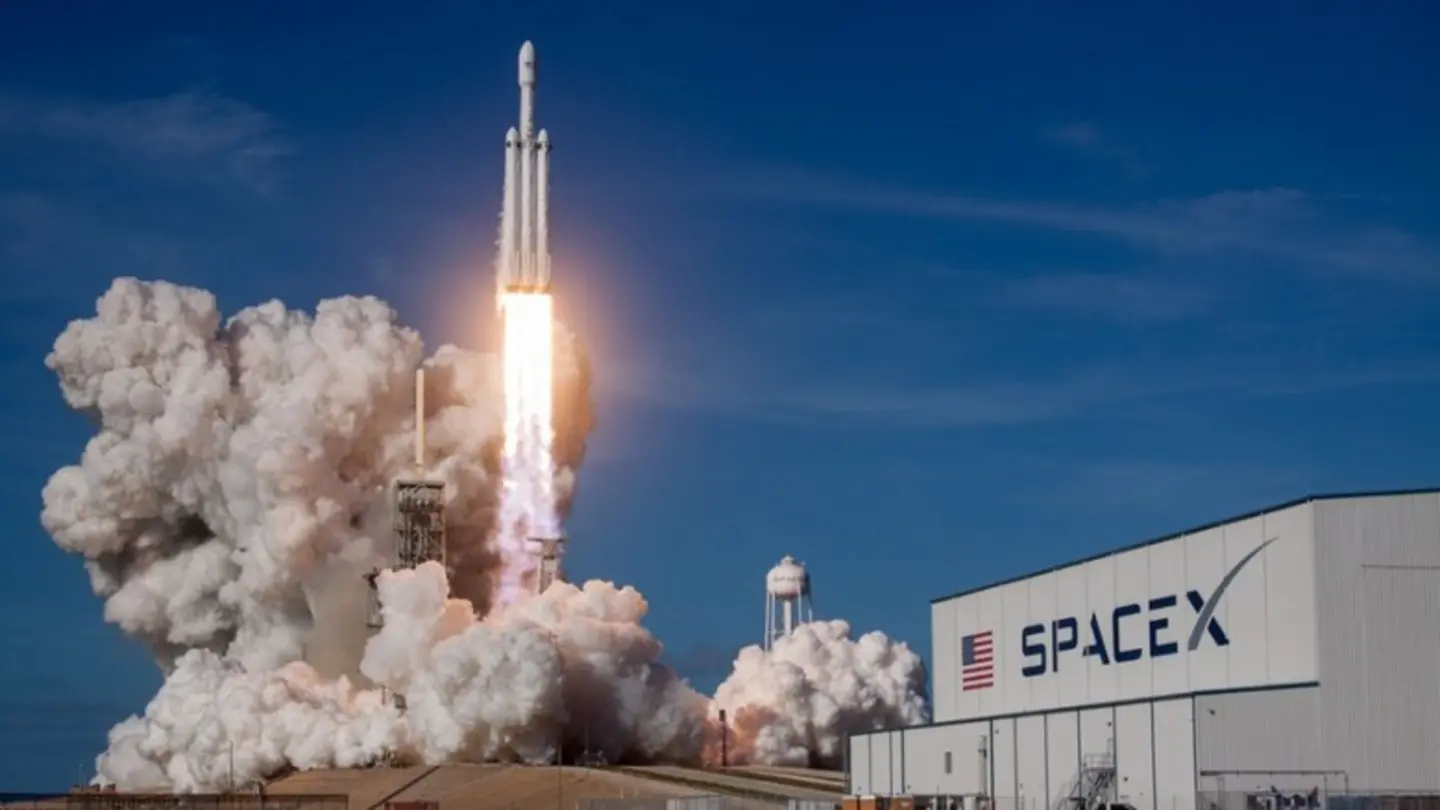
CAPE CANAVERAL SPACE FORCE STATION, Florida – SpaceX is poised to significantly accelerate the pace of national security space launches following the recent transition of missions from the United Launch Alliance (ULA). This shift marks a new era in U.S. space capabilities, with SpaceX leveraging its reusable rocket technology to offer more frequent and potentially lower-cost access to orbit for critical government payloads.
The move comes after decades of ULA, a joint venture between Lockheed Martin and Boeing, dominating the national security launch market. However, ULA’s reliance on expendable rockets proved increasingly expensive and less adaptable to the demands of a rapidly evolving space landscape. SpaceX, with its Falcon 9 and Falcon Heavy rockets, demonstrated a compelling alternative through reusability, drastically reducing launch costs and turnaround times.
The U.S. Space Force awarded SpaceX a substantial contract in 2018, guaranteeing a minimum of 60% of national security launches. This decision signaled a clear intent to foster competition and innovation within the launch industry. While ULA continues to operate and secure some missions, SpaceX is now firmly established as the primary launch provider for the nation’s most sensitive space assets.
Increased Launch Cadence
SpaceX’s ability to rapidly reuse its Falcon 9 boosters is the key driver behind the anticipated increase in launch frequency. Unlike traditional rockets that are discarded after a single use, Falcon 9’s first stage can land back on Earth and be refurbished for subsequent missions. This capability allows SpaceX to launch payloads with significantly shorter intervals between flights.
Recent launches demonstrate this efficiency. SpaceX has been consistently launching missions at a rate of roughly once every two weeks, a cadence that ULA struggled to match. The company is also investing in further improvements to its launch infrastructure and processes, aiming to further reduce turnaround times and increase launch capacity.
The implications of this accelerated launch schedule are far-reaching. It enables the Space Force to deploy new satellites more quickly, enhancing capabilities in areas such as communication, navigation, and surveillance. It also allows for more frequent replenishment of existing satellite constellations, ensuring continued operational readiness.
Furthermore, the increased competition spurred by SpaceX’s entry into the market is benefiting the U.S. space program as a whole. ULA is responding by developing its own reusable rocket, the Vulcan Centaur, which is expected to compete with SpaceX for future national security launch contracts. This competitive dynamic is driving innovation and efficiency across the entire launch industry.
The transition isn’t without its challenges. Ensuring the reliability and security of SpaceX’s launches remains paramount. The Space Force is working closely with SpaceX to maintain rigorous quality control standards and address any potential vulnerabilities. However, the initial results are promising, and the future of U.S. national security space launch appears to be in capable hands.
Looking ahead, SpaceX plans to continue expanding its launch capabilities, including the development of Starship, a fully reusable super-heavy lift vehicle. Starship has the potential to revolutionize space access even further, enabling missions to the Moon, Mars, and beyond. The company’s success in the national security launch market is laying the groundwork for these ambitious future endeavors.
Image Source: Google | Image Credit: Respective Owner