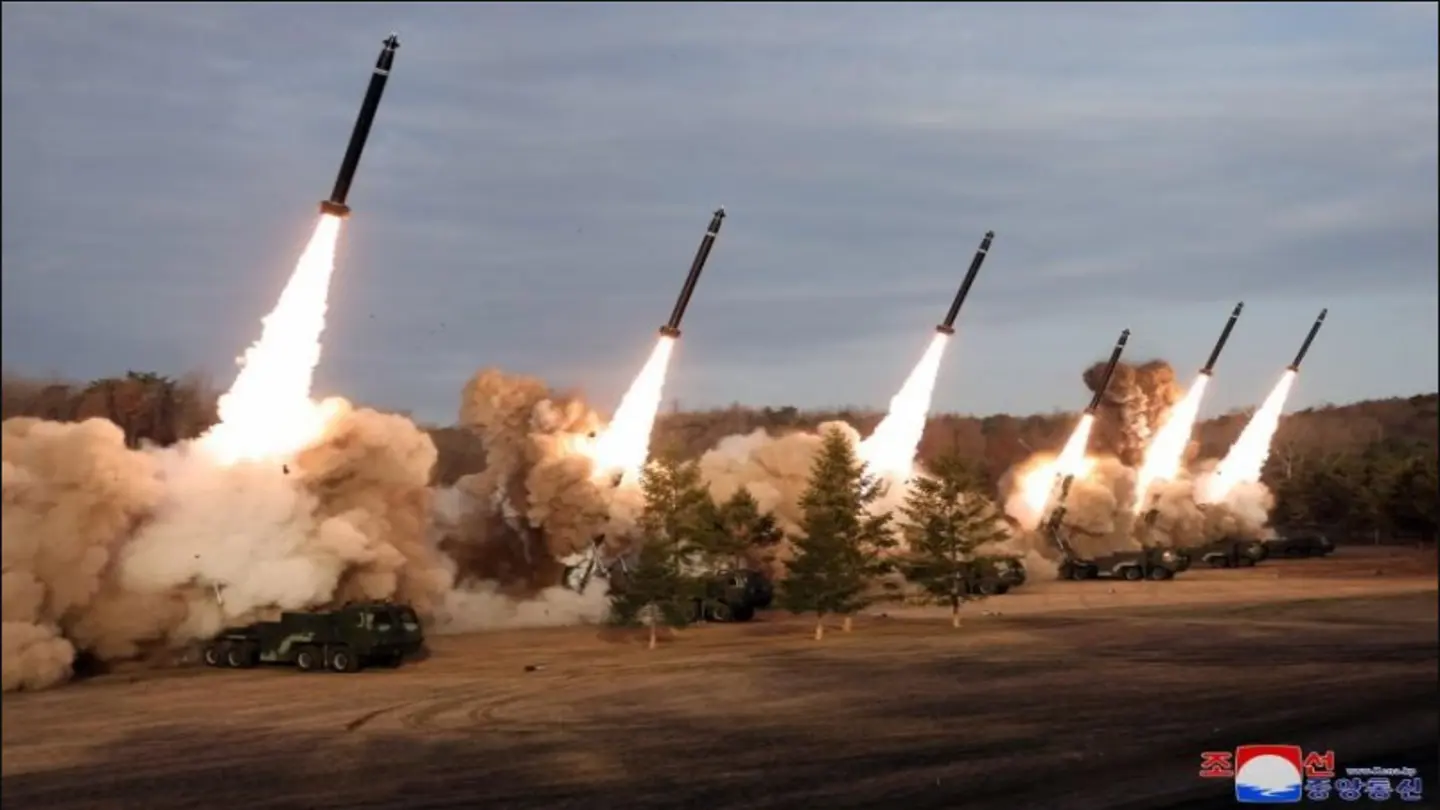
North Korea fired a ballistic missile towards the Sea of Japan on Friday, prompting immediate condemnation from Tokyo and raising concerns about escalating regional tensions. Japanese authorities reported the missile landed outside of Japan’s exclusive economic zone. The launch marks Pyongyang’s latest in a series of weapons tests, defying international sanctions and increasing pressure on neighboring countries.
Initial assessments from the Japanese government indicate the missile was launched with a lofted trajectory, suggesting a possible test of intermediate-range ballistic missile technology. Details regarding the missile’s range and altitude are still being analyzed by defense officials. The Japanese Defense Ministry stated it is working with the United States and South Korea to gather more information and assess the threat.
This latest launch comes amid heightened military activity in the region, including joint military exercises by the United States and South Korea, which North Korea views as provocative drills. Pyongyang has repeatedly warned against such exercises, claiming they rehearse for invasion. The North Korean regime has consistently justified its weapons development as a necessary deterrent against perceived threats from the U.S. and its allies.
International Response
The launch has drawn swift criticism from international actors. The United States has reiterated its commitment to the defense of Japan and South Korea, and has condemned the missile launch as a violation of multiple United Nations Security Council resolutions. Statements from the U.S. State Department characterized the launch as destabilizing and a threat to regional security.
South Korea’s Joint Chiefs of Staff also confirmed the launch and expressed strong concern, stating that it constitutes a serious threat to peace and stability on the Korean Peninsula. Seoul has convened an emergency security meeting to discuss the situation and potential responses. There are suggestions of further collaborative security measures with both Japan and the United States.
The launch is widely expected to be discussed at the United Nations Security Council, although reaching a consensus on further sanctions or measures against North Korea has proven difficult in the past, due to divisions among the permanent members. China, a key ally and economic partner of North Korea, has typically urged restraint and called for dialogue to resolve the issues.
Analysts suggest North Korea may be attempting to demonstrate its military capabilities and signal its resolve ahead of potential future negotiations. The country has been facing economic hardships exacerbated by international sanctions and the COVID-19 pandemic, but appears determined to continue its weapons program. There is growing concern that North Korea could be preparing for a more provocative act, potentially including a nuclear test.
The situation remains fluid, and authorities are monitoring North Korean activity closely for any further signs of escalation. Diplomatic efforts to de-escalate tensions and resume dialogue with Pyongyang continue, but have yet to yield significant results. The incident underscores the persistent challenges to maintaining peace and security in Northeast Asia.
Image Source: Google | Image Credit: Respective Owner