A stark disparity in childhood cancer survival rates exists between high-income and low-income countries, with figures revealing that 80% of children survive in wealthier nations, compared to a devastating 30% in poorer ones. This significant gap isn’t due to differences in the types of cancers children develop, but rather a critical lack of access to timely diagnosis, effective treatment, and essential supportive care in resource-limited settings.
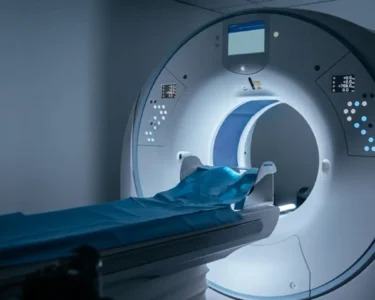
The Observer Voice highlights this global health inequity, emphasizing that childhood cancers are generally curable, especially when detected early. However, children in low- and middle-income countries face substantial barriers, including a shortage of trained healthcare professionals, limited availability of diagnostic tools like imaging and pathology, and a severe lack of affordable chemotherapy drugs and other vital medications.
Often, families must travel long distances and bear significant financial burdens to access even basic cancer care. These costs can include transportation, accommodation, and lost wages, pushing families into debt and forcing them to make impossible choices. Delays in diagnosis are common, with children often presenting with advanced disease, significantly reducing their chances of survival. Even when a diagnosis is made, treatment may be unavailable or substandard.
The Role of Global Initiatives
Organizations like St. Jude Children’s Research Hospital and the World Health Organization (WHO) are working to address this crisis. The WHO’s Global Initiative for Childhood Cancer aims to reach a 60% global survival rate by 2030, focusing on improving access to quality diagnosis and treatment. This initiative emphasizes a package of interventions, including early detection programs, standardized treatment protocols, and strengthening healthcare systems.
St. Jude is actively involved in collaborative efforts, sharing expertise and resources with hospitals in developing countries. These partnerships focus on training local healthcare professionals, improving diagnostic capabilities, and establishing sustainable cancer care programs. The organization also works to reduce the cost of cancer medications, making them more accessible to children in need.
Despite these efforts, significant challenges remain. Political instability, conflict, and weak infrastructure can hinder access to care. Furthermore, a lack of awareness about childhood cancer symptoms among both families and healthcare providers contributes to delays in diagnosis. Addressing these systemic issues requires a concerted effort from governments, international organizations, and healthcare communities.
The article stresses that investing in childhood cancer care in low-income countries is not only a moral imperative but also a cost-effective strategy. Curing childhood cancer allows children to grow into productive adults, contributing to their communities and economies. The survival gap represents a preventable tragedy, and closing it requires a global commitment to equity and access in healthcare. Ultimately, a child’s postcode should not determine their fate when battling this disease.
The disparity underscores the urgent need for increased funding, improved infrastructure, and stronger healthcare systems in underserved regions. It also calls for greater collaboration and knowledge-sharing to ensure that all children, regardless of where they live, have a fair chance at survival.
Image Source: Google | Image Credit: Respective Owner