A new practical guide published in the European Medical Journal details the optimization of continuous infusion therapy using Foslevodopa/Foscarbidopa (LDp/CDp) for patients with advanced Parkinson’s Disease. The guide addresses the growing need for improved management strategies as Parkinson’s progresses and oral medications become less effective due to fluctuating dopamine levels and associated motor complications.
Parkinson’s Disease is a progressive neurological disorder affecting movement. While initial symptoms are often managed with oral levodopa, a precursor to dopamine, many patients experience diminishing returns over time. This leads to “off” periods characterized by tremors, rigidity, and slow movement, significantly impacting quality of life. Continuous infusion therapy aims to provide a more stable level of dopamine in the brain, reducing these fluctuations.
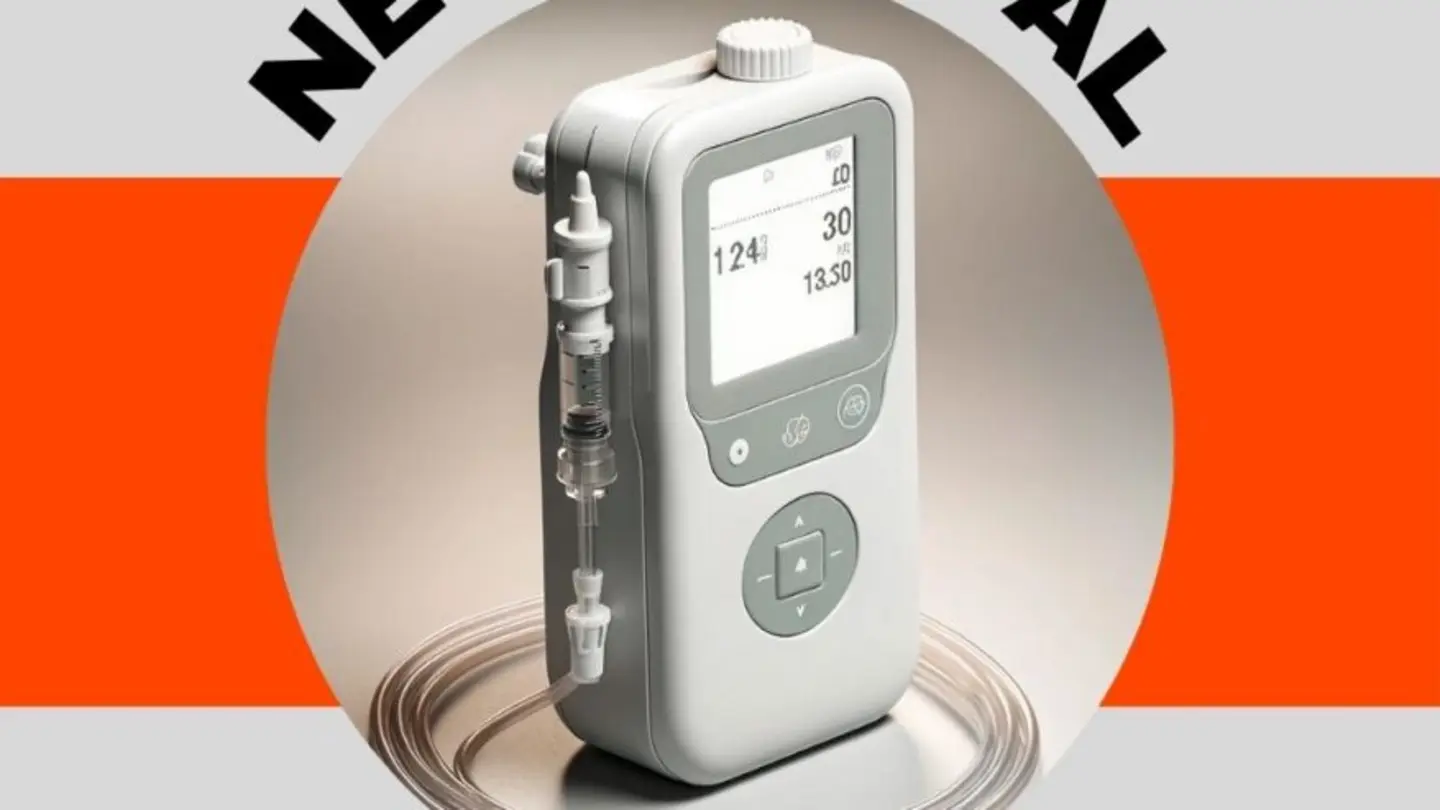
LDp/CDp is a peripherally administered prodrug of levodopa and carbidopa. This means it’s converted into the active drugs *after* it enters the bloodstream, bypassing some of the metabolic processes that cause oral medication fluctuations. The continuous infusion method delivers the drug directly into the small intestine via a percutaneous endoscopic gastrostomy with jejunal extension (PEG-J) tube, ensuring a consistent absorption rate.
Key Considerations for Optimization
The guide emphasizes a personalized approach to therapy, recognizing that each patient responds differently. It highlights the importance of careful patient selection, considering factors like disease severity, motor fluctuation patterns, and cognitive function. A thorough assessment of a patient’s daily “on” and “off” times, as well as the predictability of these fluctuations, is crucial before initiating LDp/CDp infusion.
Dosage titration is a central theme. The guide provides detailed recommendations for starting doses and gradual adjustments based on clinical response. Monitoring for adverse effects, such as dyskinesias (involuntary movements), nausea, and orthostatic hypotension (low blood pressure upon standing), is paramount during this phase. Regular adjustments to the infusion rate are often necessary to achieve optimal symptom control.
Furthermore, the guide stresses the need for a multidisciplinary team approach. This includes neurologists, specialized nurses, dietitians, and potentially physical and occupational therapists. The team works collaboratively to manage the technical aspects of the PEG-J tube, ensure adequate nutrition, and address any complications that may arise. Patient and caregiver education is also vital, equipping them with the knowledge and skills to manage the therapy effectively at home.
The publication also delves into troubleshooting common issues, such as tube blockages or skin irritation around the stoma site. It provides practical advice on preventing and managing these problems, minimizing disruptions to therapy. The authors advocate for ongoing monitoring and adjustments to maintain long-term efficacy and safety.
Ultimately, this practical guide aims to empower healthcare professionals to deliver the best possible care to patients with advanced Parkinson’s Disease, improving their motor control, reducing debilitating fluctuations, and enhancing their overall quality of life through optimized LDp/CDp continuous infusion therapy. It represents a significant step forward in the management of this challenging condition.
Image Source: Google | Image Credit: Respective Owner