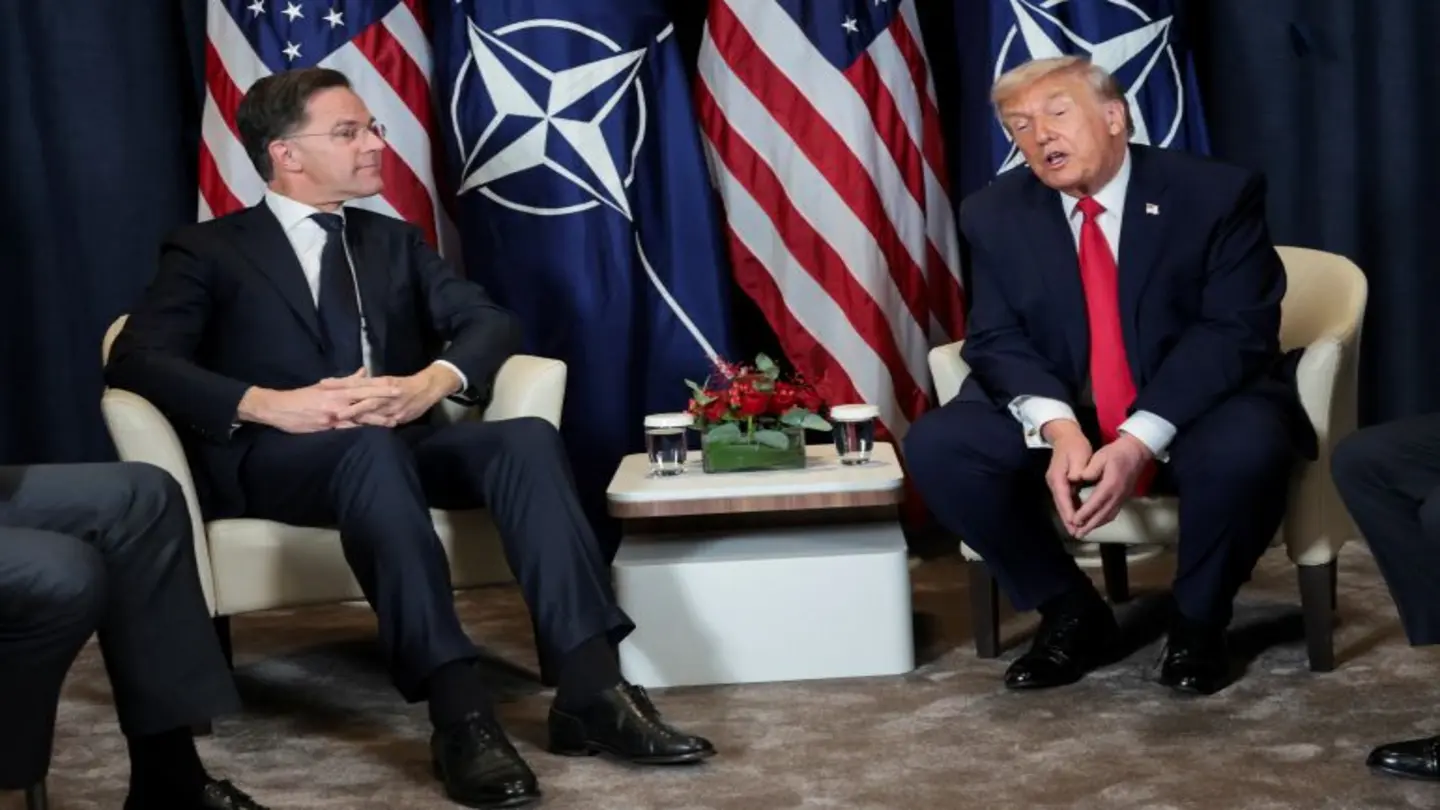
NATO Secretary General Mark Rutte revealed that former U.S. President Donald Trump has agreed to discuss potential issues related to Greenland through established “workstreams.” This development, disclosed by Rutte during a recent interview, marks a shift from Trump’s previous, publicly expressed interest in potentially purchasing the world’s largest island, which is a self-governing territory within the Kingdom of Denmark.
Rutte, who is set to formally assume the role of NATO chief in October, described the agreement as a way to manage the sensitive topic in a more structured and diplomatic manner. He stated that Trump, during their conversations, acknowledged the need for a formal process to address any concerns or proposals regarding Greenland, rather than pursuing them through off-the-cuff remarks or direct negotiations.
The former U.S. President had previously floated the idea of buying Greenland in 2019, sparking controversy and rebuffs from both Danish and Greenlandic officials. The suggestion was widely perceived as outlandish and disrespectful to Greenland’s autonomy. Rutte’s revelation suggests a softening of that stance, or at least a willingness to engage in discussions through conventional diplomatic channels.
“We agreed that we would have two workstreams,” Rutte explained. “One on defense, and one on… Greenland.” He did not elaborate on the specific nature of the “defense workstream,” but the mention of Greenland alongside defense suggests a potential U.S. interest in the island’s strategic importance, particularly in light of increasing geopolitical tensions in the Arctic region.
Strategic Importance of Greenland
Greenland holds significant strategic value due to its geographical location. As the world’s largest island, it sits between the Arctic and Atlantic Oceans, and its vast ice sheet contains a substantial portion of the world’s freshwater. The melting of this ice sheet contributes to rising sea levels, making climate change a critical concern for the region. Furthermore, Greenland’s location is becoming increasingly important for military and commercial navigation as Arctic sea routes open up due to climate change.
The U.S. has a long-standing military presence in Greenland, operating the Thule Air Base, a key component of its missile defense system. Any discussion regarding Greenland’s future is likely to involve considerations of its strategic importance to NATO and the broader security landscape.
Rutte emphasized the importance of maintaining a strong transatlantic relationship and fostering open communication with the United States, regardless of who is in office. He believes that the “workstream” approach provides a framework for addressing complex issues like Greenland in a constructive and respectful manner. The details of these workstreams, including their scope, timelines, and participants, remain unclear. However, Rutte’s announcement signals a potential shift in the U.S. approach to Greenland, moving away from overt purchase attempts towards a more nuanced and diplomatic engagement.
The Danish government has not yet officially commented on the agreement, but it is expected to closely monitor the development of the “workstreams” to ensure that Greenland’s autonomy and interests are protected. The Greenlandic government has consistently stated its lack of interest in being sold to the United States, and any future discussions will need to respect that position.
Image Source: Google | Image Credit: Respective Owner