India has maintained a stance of support for Iran at the United Nations, despite widespread condemnation of the regime’s brutal crackdown on ongoing protests. This position, articulated by a senior Indian diplomat, signals a continuation of New Delhi’s strategic relationship with Tehran, even as international pressure mounts.
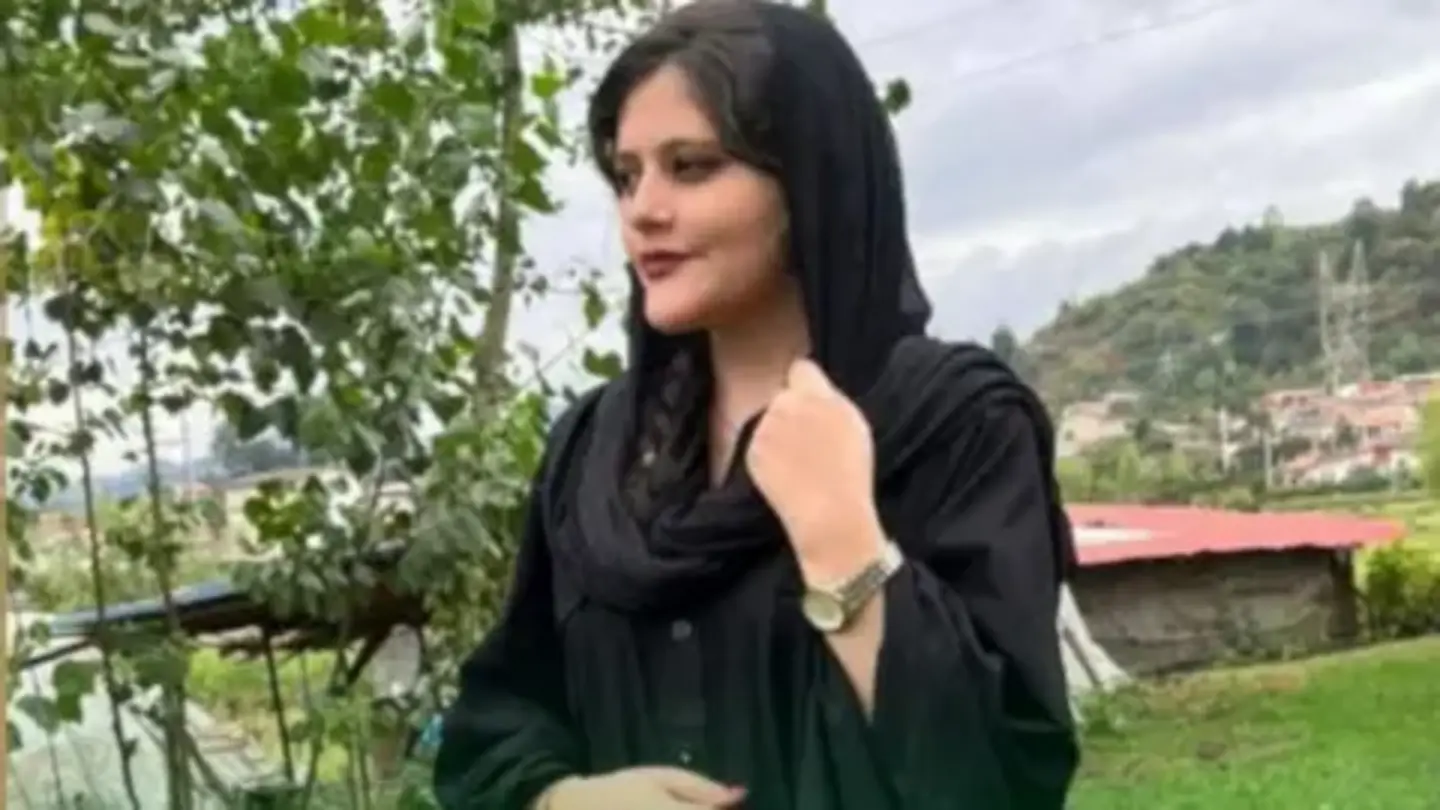
The protests in Iran were ignited by the death of Mahsa Amini in September 2022, after her arrest by the morality police for allegedly violating the country’s strict Islamic dress code. What began as localized demonstrations quickly escalated into nationwide unrest, with protesters calling for an end to the theocratic rule of Ayatollah Ali Khamenei and broader social and economic reforms.
The Iranian government responded with a forceful crackdown, employing security forces to suppress demonstrations, restricting internet access, and arresting thousands of protesters. Reports from human rights organizations detail widespread use of excessive force, including live ammunition, resulting in hundreds of deaths and injuries. These actions have drawn sharp criticism from Western nations and international bodies.
However, India has adopted a more nuanced approach. While acknowledging the need for dialogue and peaceful resolution, Indian representatives at the UN have refrained from directly condemning the Iranian government. Instead, they have emphasized the importance of respecting Iran’s sovereignty and territorial integrity. This stance reflects India’s long-standing policy of non-interference in the internal affairs of other countries, as well as its strategic interests in maintaining a stable relationship with Iran.
Strategic Considerations
India’s continued engagement with Iran is largely driven by economic and security considerations. Iran is a key source of oil for India, and New Delhi is keen to ensure uninterrupted energy supplies. Furthermore, Iran’s geographical location is strategically important for India, particularly in the context of connectivity projects like the Chabahar Port.
The Chabahar Port, jointly developed by India and Iran, is seen as a vital link in the International North-South Transport Corridor (INSTC), which aims to facilitate trade between India, Russia, and Europe. India also has a vested interest in countering the influence of other regional powers in Iran. Disrupting the relationship could jeopardize these crucial projects and undermine India’s regional influence.
The Indian diplomat’s remark – “Khamenei is not hiding in a bunker” – was a direct response to claims made by some Western media outlets and officials suggesting the Iranian leader was isolated and losing control. The statement was intended to convey India’s belief that the Iranian regime remains firmly in power and capable of governing the country. It also subtly pushed back against what India perceives as exaggerated narratives surrounding the protests.
Despite its support for Iran at the UN, India has also expressed concern over the violence and the treatment of protesters. Indian officials have privately conveyed these concerns to their Iranian counterparts, urging restraint and respect for human rights. However, publicly, India has prioritized maintaining its strategic partnership with Tehran. The situation remains fluid, and India’s position may evolve depending on the trajectory of the protests and the response of the Iranian government. The balancing act between condemning violence and preserving strategic interests will continue to be a key challenge for Indian foreign policy.
Image Source: Google | Image Credit: Respective Owner