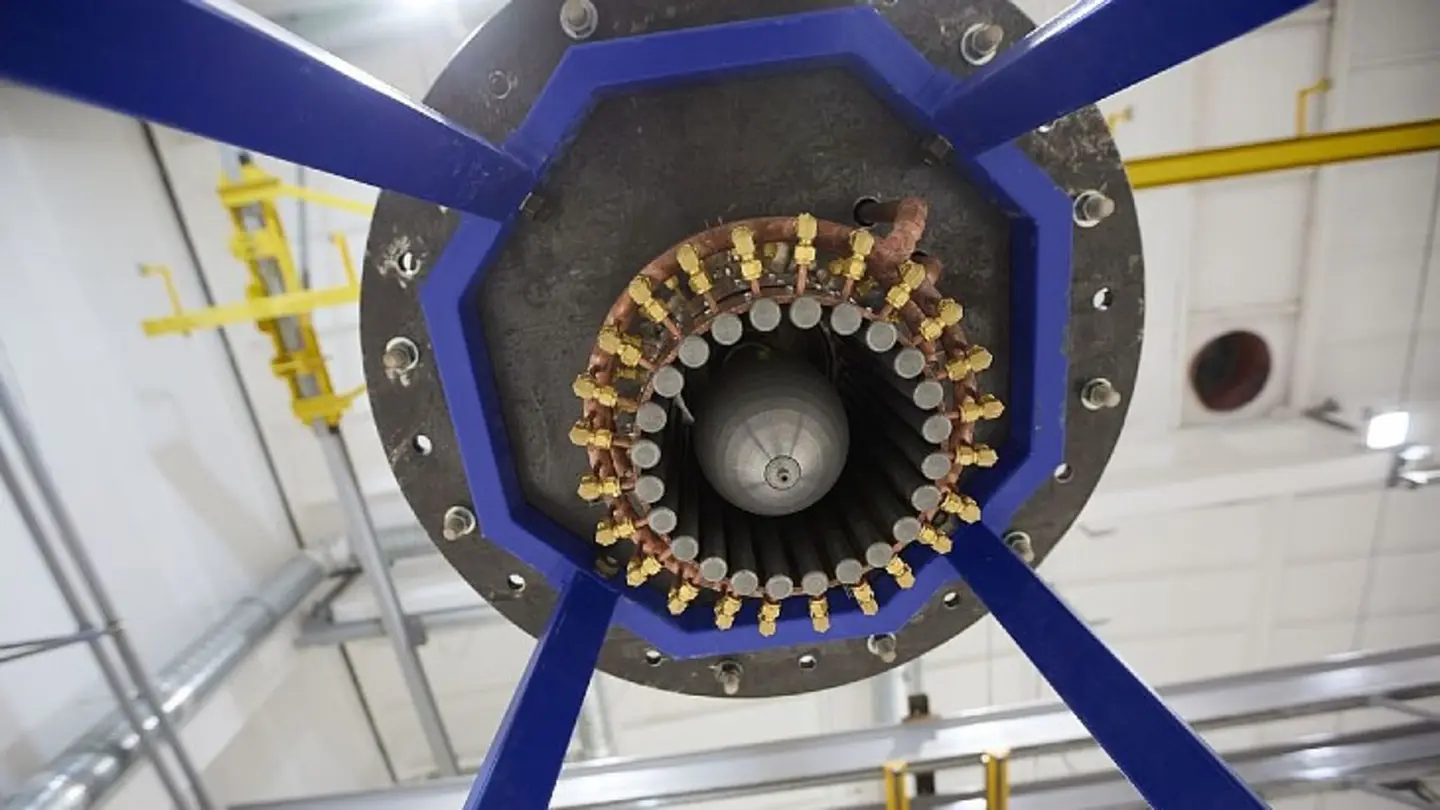
Russian scientists have reportedly developed a new plasma engine technology that could dramatically reduce travel time to Mars, potentially reaching the red planet in as little as 30 days. This breakthrough, detailed by the Indian Defence Review, significantly outpaces current projections for space travel and casts a shadow over SpaceX’s Starship program, which estimates a journey time of several months.
The engine utilizes a unique plasma propulsion system, differing significantly from traditional chemical rockets. While details remain somewhat scarce, the core principle involves accelerating plasma – an ionized gas – to extremely high velocities, generating thrust. This method promises a much higher specific impulse (a measure of engine efficiency) compared to conventional rockets, meaning it can generate more thrust with less propellant.
Key Advantages of Plasma Propulsion
The potential benefits of this technology are substantial. Reduced travel times to Mars would minimize the exposure of astronauts to harmful cosmic radiation, a major concern for long-duration space missions. Shorter transit times also lessen the psychological strain on crews and reduce the logistical challenges of maintaining life support systems for extended periods. Furthermore, the increased efficiency could lead to significant cost savings in terms of propellant requirements.
The Indian Defence Review article highlights that the Russian engine’s design addresses some of the limitations of previous plasma propulsion attempts. Earlier systems often suffered from low thrust or instability. The new engine reportedly overcomes these hurdles through innovative magnetic confinement and plasma acceleration techniques. However, independent verification of these claims is currently lacking.
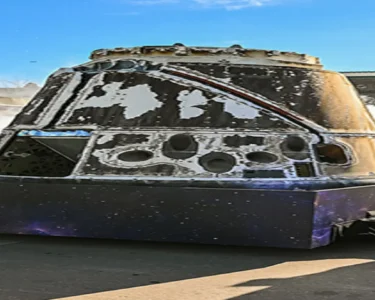
SpaceX’s Starship, while a formidable undertaking, relies on chemical propulsion, albeit with reusable components. While Starship aims to revolutionize space travel through reusability and large payload capacity, its travel time to Mars remains a significant constraint. The Russian plasma engine, if proven viable, could offer a fundamentally faster and more efficient alternative.
The development is particularly noteworthy given the current geopolitical landscape and the renewed space race between nations. Russia’s advancements in plasma propulsion demonstrate a continued commitment to space exploration and a desire to maintain a leading role in the field. The implications for future space missions, both crewed and uncrewed, are profound.
Further research and testing are crucial to validate the performance of the Russian plasma engine and assess its scalability for larger spacecraft. The scientific community awaits detailed technical specifications and independent assessments to fully understand the potential of this groundbreaking technology. If successful, it could usher in a new era of rapid interplanetary travel, making Mars colonization a more realistic prospect.
The article also suggests potential military applications for this technology, though the primary focus remains on space exploration. The ability to rapidly deploy assets into space could have strategic implications for national security. However, the development and deployment of such a system would require substantial investment and overcoming significant engineering challenges.
Image Source: Google | Image Credit: Respective Owner