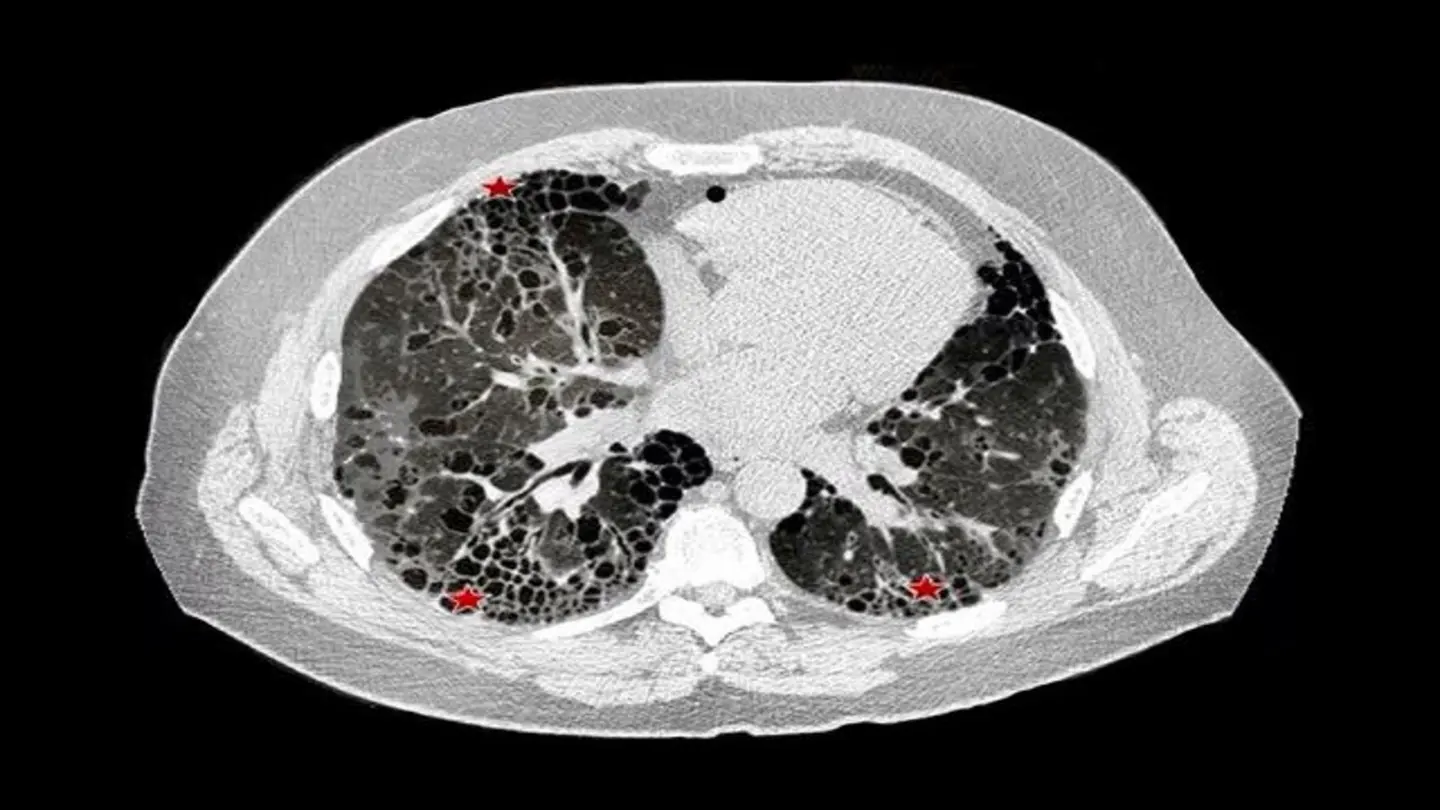
New research presented at the European Respiratory Society International Congress suggests that the use of ACE inhibitors – commonly prescribed for high blood pressure and heart failure – may be associated with improved survival rates in patients diagnosed with idiopathic pulmonary fibrosis (IPF). IPF is a chronic and ultimately fatal lung disease characterized by progressive scarring of lung tissue, leading to shortness of breath and reduced lung function.
The study, conducted by researchers at the University of Hull, analyzed data from over 300,000 individuals with IPF. Findings indicated that patients taking ACE inhibitors demonstrated a statistically significant increase in survival compared to those not receiving the medication. Specifically, the research showed a 10% reduction in mortality risk among ACE inhibitor users. This effect was observed even after accounting for other factors known to influence IPF prognosis, such as age, gender, and the presence of other health conditions.
Understanding the Potential Mechanism
While the exact mechanisms underlying this protective effect remain unclear, researchers hypothesize that ACE inhibitors may mitigate lung fibrosis through several pathways. One prominent theory centers on the role of angiotensin-converting enzyme (ACE) in the renin-angiotensin-aldosterone system (RAAS). This system regulates blood pressure, but it’s also implicated in the development and progression of fibrosis in various organs, including the lungs. By inhibiting ACE, these medications may reduce the production of angiotensin II, a key driver of inflammation and scarring.
Another potential mechanism involves the drug’s impact on oxidative stress and inflammation within the lungs. IPF is characterized by a persistent inflammatory response and an imbalance between reactive oxygen species and antioxidant defenses. ACE inhibitors have demonstrated antioxidant properties in some studies, potentially helping to quell this damaging cycle. Furthermore, they may influence the levels of growth factors involved in tissue repair, promoting a more balanced and less fibrotic response.
It’s important to note that this study establishes an association, not causation. Further research, including randomized controlled trials, is needed to definitively prove that ACE inhibitors directly improve survival in IPF patients. However, the findings are encouraging and warrant consideration by clinicians managing this challenging disease. The researchers emphasize that ACE inhibitors should not be initiated solely for IPF, but rather considered as part of a comprehensive treatment plan for patients who already have a valid indication for their use, such as hypertension or heart failure.
The study also highlighted the need for personalized medicine approaches in IPF. Not all patients responded equally to ACE inhibitors, suggesting that genetic factors or other individual characteristics may influence treatment efficacy. Future research will focus on identifying biomarkers that can predict which patients are most likely to benefit from ACE inhibitor therapy. The European Respiratory Society continues to be a leading forum for disseminating cutting-edge research in pulmonary medicine, and this study adds to the growing body of evidence exploring novel therapeutic strategies for IPF.
Image Source: Google | Image Credit: Respective Owner