Washington and Tehran are once again locked in escalating tensions following a short period of relative calm, raising concerns about a potential resurgence of conflict in the Middle East. The recent flare-up stems from a complex interplay of factors, including the Biden administration’s continued pursuit of a nuclear deal, Iran’s regional activities, and accusations of malign behavior by both sides.
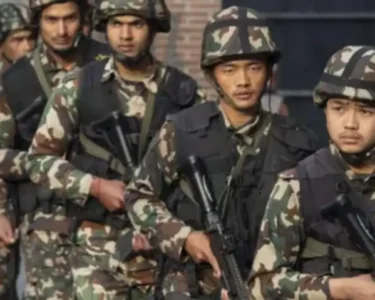
The immediate trigger appears to be the US response to Iranian-backed militias’ attacks on American personnel and facilities in Iraq and Syria. These attacks, utilizing drones and rockets, have intensified in recent weeks, prompting retaliatory strikes from the US military. While the US insists these strikes are defensive in nature, aimed at deterring further aggression, Iran views them as a violation of its sovereignty and a destabilizing force in the region.
Adding fuel to the fire is the ongoing dispute over Iran’s nuclear program. The 2015 Joint Comprehensive Plan of Action (JCPOA), aimed at curbing Iran’s nuclear ambitions in exchange for sanctions relief, has been effectively unraveling since the Trump administration unilaterally withdrew from the agreement in 2018. President Biden has expressed a desire to revive the JCPOA, but negotiations have stalled, with both sides accusing the other of intransigence.
Iran has significantly advanced its nuclear capabilities since the JCPOA’s collapse, enriching uranium to levels closer to weapons-grade. This has heightened anxieties among Western powers and Israel, which views a nuclear-armed Iran as an existential threat. The US has warned that it will not allow Iran to develop a nuclear weapon, raising the specter of military intervention as a last resort.
Furthermore, Iran’s support for proxy groups throughout the Middle East, including Hezbollah in Lebanon, Hamas in Gaza, and the Houthis in Yemen, continues to be a major source of contention with the US and its allies. These groups are often accused of carrying out attacks that destabilize the region and threaten US interests. The US has imposed sanctions on Iran and its proxies in an effort to curb their activities.
Regional Implications
The escalating tensions between the US and Iran have far-reaching implications for the Middle East. A full-blown conflict could draw in other regional actors, potentially igniting a wider war. Oil prices are also likely to surge, disrupting global energy markets. The situation is particularly concerning given the ongoing conflicts in Ukraine and Gaza, which have already created significant instability in the world.
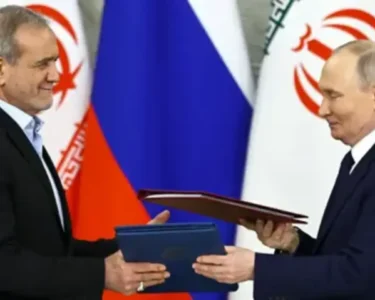
Diplomatic efforts to de-escalate the situation are underway, but the prospects for a breakthrough remain uncertain. The US and Iran have both signaled a willingness to engage in talks, but deep-seated mistrust and conflicting agendas continue to pose significant obstacles. The international community is urging both sides to exercise restraint and prioritize dialogue to prevent a further escalation of tensions. The coming weeks will be crucial in determining whether the US and Iran can find a way to avoid a dangerous confrontation.
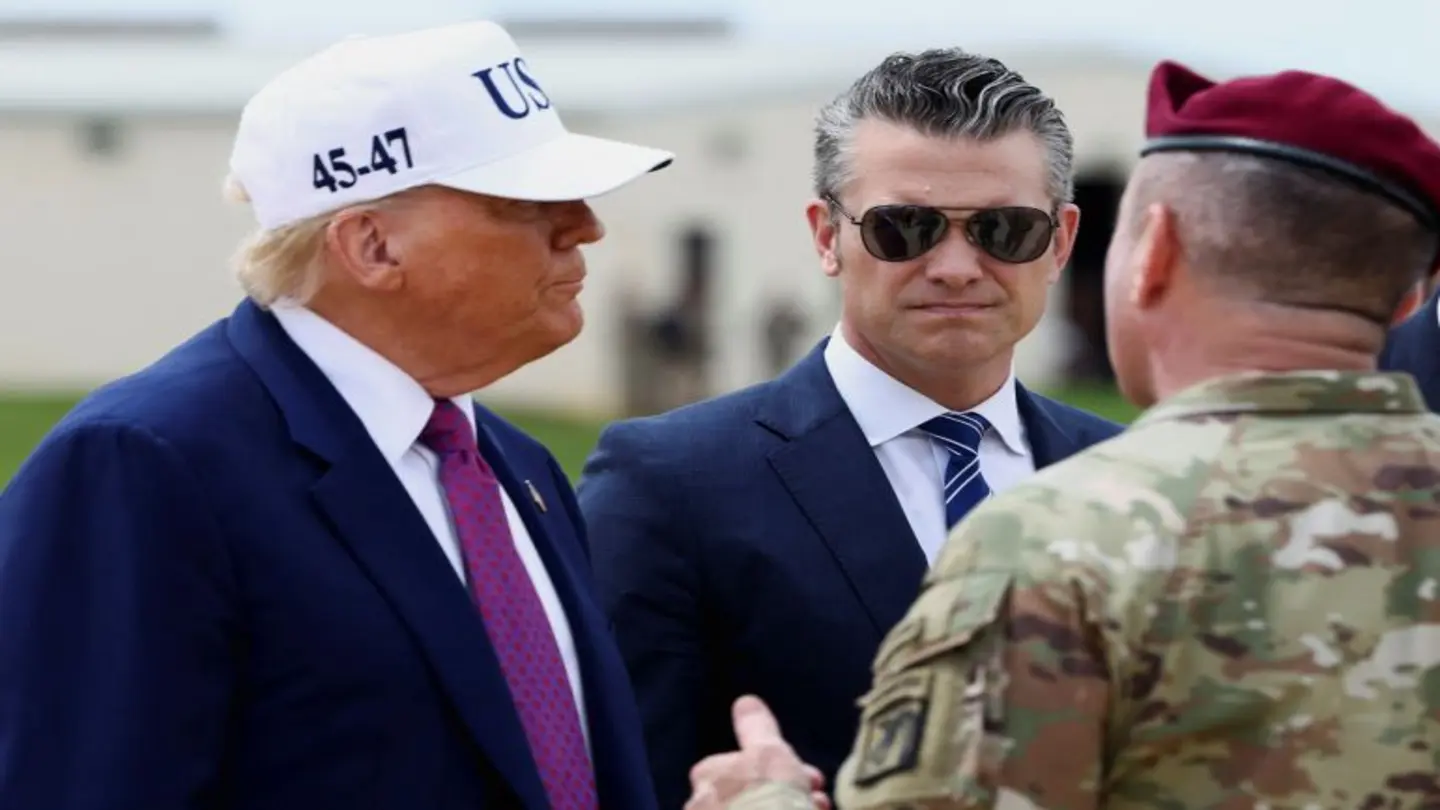
Analysts suggest that domestic political considerations in both countries are also playing a role. In the US, President Biden is facing pressure from Republicans to take a tougher stance on Iran, while in Iran, hardliners are seeking to consolidate their power and resist any concessions to the West. This complex political landscape further complicates the efforts to resolve the crisis.
Image Source: Google | Image Credit: Respective Owner