High-level talks involving Ukraine, Russia, and the United States have concluded, occurring against the backdrop of a renewed and devastating Russian airstrike on Kyiv. The discussions, shrouded in diplomatic discretion, aimed to explore potential avenues for de-escalation and a path toward a more sustainable security framework in the region, but yielded no immediate breakthroughs.
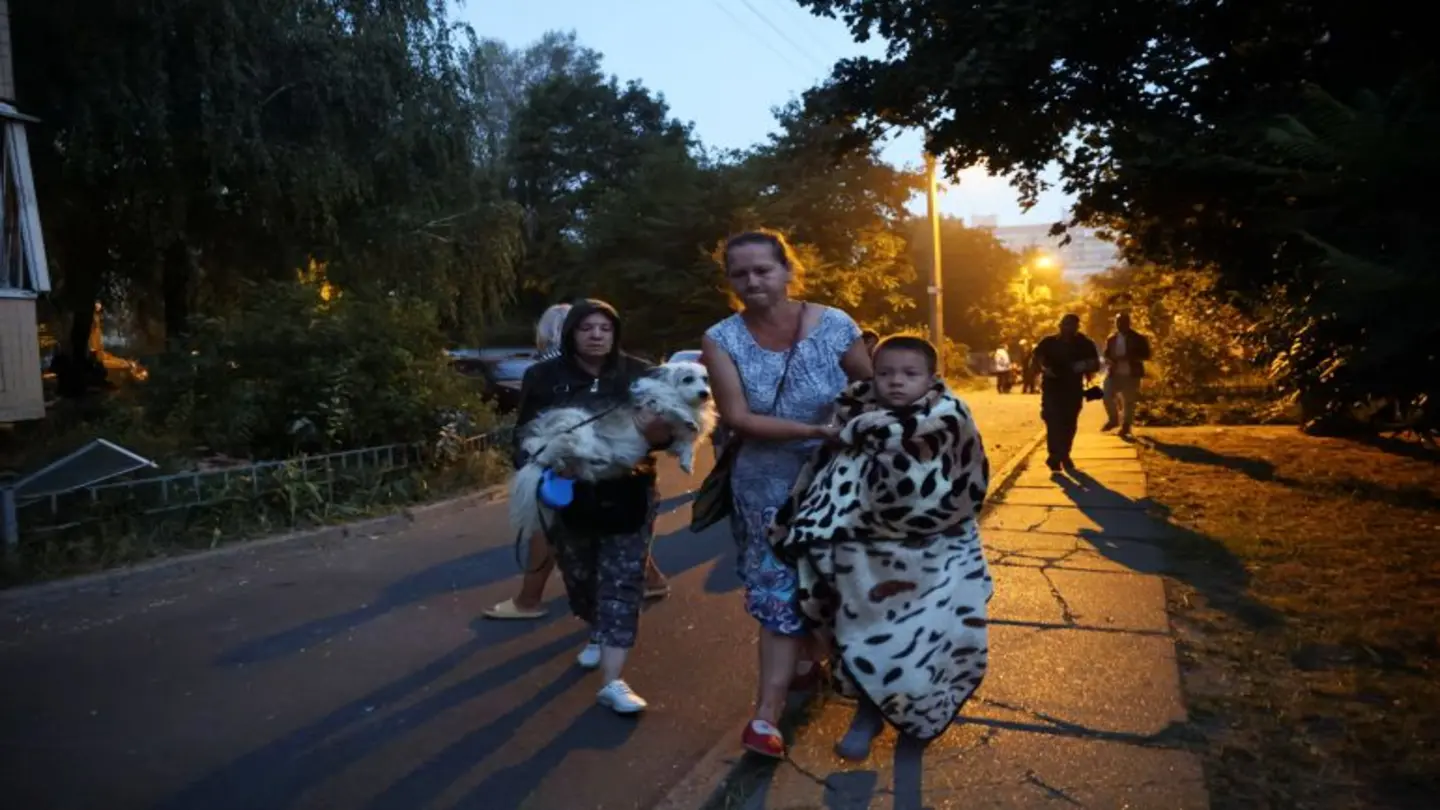
The airstrike on Kyiv, which occurred while diplomats were actively engaged in discussions, resulted in multiple casualties and significant damage to civilian infrastructure. Ukrainian officials have condemned the attack as a deliberate act of terror, intended to intimidate the population and disrupt ongoing efforts to secure international support. The timing of the strike is widely seen as a pointed message from Moscow, demonstrating its continued capacity and willingness to employ force even during negotiations.
Diplomatic Efforts Continue
Details of the trilateral talks remain scarce, with each participating nation offering carefully worded statements. Sources indicate that the discussions focused on the need for increased humanitarian aid to Ukraine, the potential for prisoner exchanges, and the establishment of clearer communication channels to prevent further miscalculations. The United States reiterated its unwavering commitment to supporting Ukraine’s sovereignty and territorial integrity, while also emphasizing the importance of maintaining dialogue with Russia.
Russia, for its part, reportedly presented its own set of security concerns, reiterating its long-standing opposition to NATO expansion and its demand for guarantees regarding the non-deployment of offensive weapons systems near its borders. These demands have been a major sticking point in previous negotiations, and it remains unclear whether any progress was made in addressing them. The Kremlin has consistently framed its actions in Ukraine as a response to perceived threats from the West.
The Ukrainian delegation, led by senior advisors to President Zelenskyy, reportedly stressed the urgent need for additional air defense systems and heavier weaponry to counter Russia’s military offensive. They also called for stronger international sanctions against Moscow and increased accountability for alleged war crimes. Ukraine has consistently maintained that any lasting peace agreement must involve the full restoration of its territorial control, including Crimea and the Donbas region.
Despite the lack of immediate results, diplomats expressed cautious optimism that the talks had at least kept lines of communication open. The international community continues to urge all parties to exercise restraint and prioritize a peaceful resolution to the conflict. However, the persistent violence on the ground, exemplified by the Kyiv airstrike, underscores the immense challenges that lie ahead. Further rounds of negotiations are anticipated, but the prospects for a swift and comprehensive settlement remain uncertain. The focus now shifts to assessing the impact of the latest strike and determining how to move forward in a climate of heightened tension and mistrust. The need for a ceasefire remains paramount, but achieving one will require significant concessions from both sides.
The situation remains fluid and highly volatile, with the potential for further escalation. International observers are closely monitoring developments, hoping to see a renewed commitment to diplomacy and a de-escalation of hostilities.
Image Source: Google | Image Credit: Respective Owner