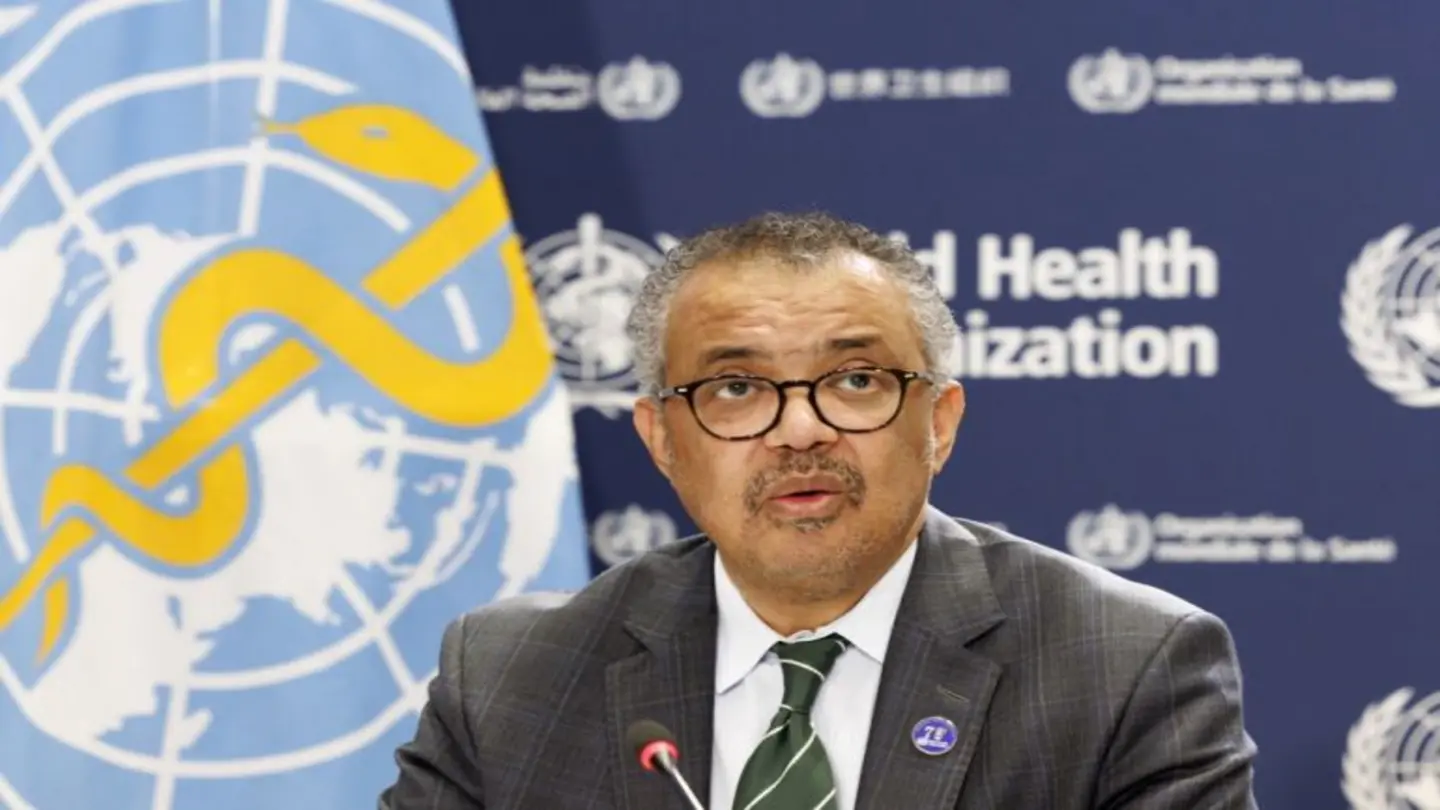
The United States officially withdrew from the World Health Organization (WHO) in July 2023, completing a process initiated by then-President Donald Trump in 2020. The departure leaves the WHO with a substantial financial shortfall – an estimated $260 million in unpaid assessed contributions from the US. The move has been widely criticized by global health leaders and international organizations, who argue that the US’s withdrawal weakens the WHO’s ability to respond to global health crises.
The Trump administration accused the WHO of being overly influenced by China and of mismanaging the initial response to the COVID-19 pandemic. Specifically, concerns were raised about the WHO’s early statements regarding the virus’s transmissibility and its praise of China’s handling of the outbreak. These accusations led to a freeze in US funding in April 2020, followed by the formal announcement of withdrawal in October of the same year.
However, the Biden administration reversed course in January 2021, announcing its intention to rejoin the WHO. Despite this decision, the US remained in arrears with its payments, and the full withdrawal process, mandated by WHO rules, took effect on July 5, 2023. The delay in full reinstatement was due to the financial obligations that needed to be addressed.
Financial Implications and Global Health Security
The $260 million debt represents a significant portion of the WHO’s overall budget. The WHO relies heavily on assessed contributions from member states, as well as voluntary donations, to fund its programs and operations. The US has historically been the WHO’s largest single donor. The loss of this funding could force the organization to scale back its efforts in areas such as disease surveillance, vaccine development, and health system strengthening, particularly in low- and middle-income countries.
Critics argue that the US withdrawal undermines global health security and makes the world more vulnerable to future pandemics. They point to the importance of international cooperation in addressing cross-border health threats and emphasize the WHO’s crucial role in coordinating that cooperation. The absence of the US, a major player in medical research and development, is seen as a significant loss of expertise and resources.
The WHO has expressed regret over the US withdrawal but has also emphasized its commitment to continuing its work to improve global health. The organization is actively seeking to diversify its funding sources and strengthen its relationships with other member states. However, officials acknowledge that filling the financial gap left by the US will be a major challenge.
The long-term consequences of the US withdrawal remain to be seen. Some analysts predict that it could lead to a decline in the WHO’s influence and effectiveness, while others believe that the organization will be able to adapt and overcome the challenges. The situation highlights the complex interplay between national interests, global health priorities, and the funding of international organizations.
Image Source: Google | Image Credit: Respective Owner