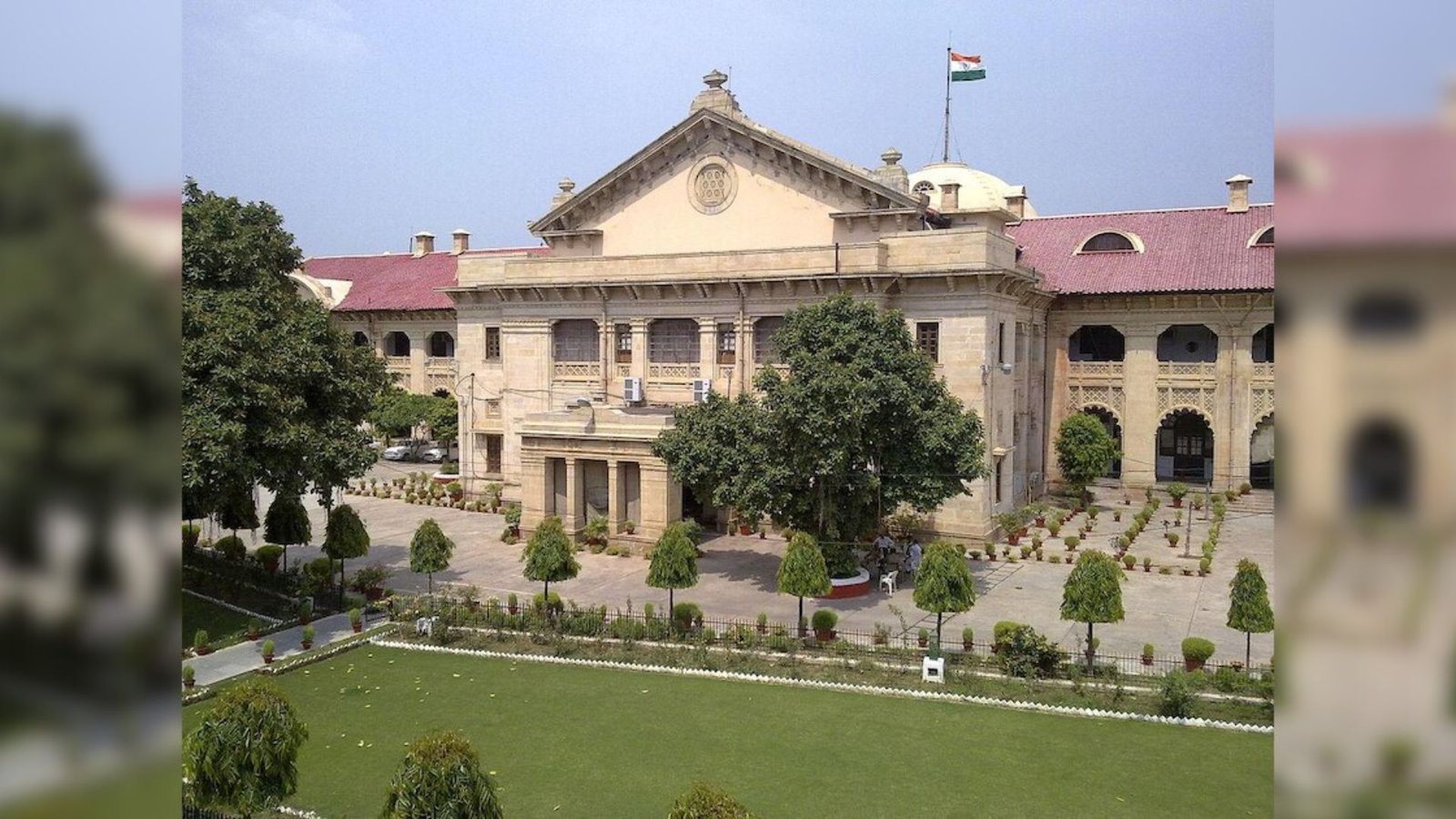
The Allahabad High Court has ruled that a wife is not entitled to maintenance if her own actions are found to have rendered her husband incapable of earning. The decision, delivered on November 21, 2023, clarifies a critical aspect of maintenance laws, emphasizing that the husband’s inability to provide financial support must not be a direct consequence of the wife’s conduct.
The court was hearing a petition challenging a lower court’s order awarding maintenance to a wife. The husband argued that his wife had intentionally driven him to a state where he could no longer work, thereby forfeiting her right to claim financial support. Details of the specific actions leading to the husband’s inability to earn were not explicitly detailed in readily available reports, but the court found merit in the husband’s contention.
Key Legal Principle
The High Court’s judgment hinges on the principle of equity and fairness. Maintenance laws are designed to provide financial assistance to spouses who are unable to support themselves, but this obligation is not absolute. If the claimant spouse actively contributes to the situation that prevents the other spouse from earning, the court may reasonably deny maintenance.
The court examined relevant provisions of the Hindu Marriage Act, 1955, and considered precedents related to maintenance claims. It noted that while a wife is generally entitled to maintenance under certain circumstances, this right is not unconditional. The husband’s capacity to earn, or lack thereof, is a central consideration, and the court must assess whether the wife’s actions played a causative role in diminishing that capacity.
This ruling distinguishes itself from cases where a husband’s inability to earn stems from illness, disability, or job loss unrelated to the wife’s behavior. In such scenarios, the wife’s claim to maintenance would likely be upheld. However, the Allahabad High Court’s decision underscores the importance of considering the wife’s conduct when evaluating the fairness of a maintenance claim.
Legal experts suggest this judgment could set a precedent for similar cases in the future, prompting a more thorough examination of the circumstances surrounding a husband’s financial hardship. It highlights the need for a nuanced approach to maintenance claims, taking into account the totality of the situation and the actions of both spouses.
The court emphasized that the purpose of maintenance is to ensure a reasonable standard of living for the dependent spouse, but it should not be used as a tool to penalize a husband for circumstances that were directly caused by the wife’s actions. The judgment aims to strike a balance between protecting the rights of dependent spouses and preventing unjust enrichment at the expense of the earning spouse.
The specific details of the case and the lower court’s order were not fully available in the initial reports, but the High Court’s decision clearly establishes a principle that a wife’s entitlement to maintenance can be forfeited if her conduct directly leads to the husband’s inability to earn a livelihood. This ruling is expected to be closely followed by legal professionals and those involved in family law disputes.
Image Source: Google | Image Credit: Respective Owner