A new treatment utilizing stem cell-derived eye drops is demonstrating significant improvements for patients suffering from severe dry eye disease associated with Sjögren’s syndrome, a chronic autoimmune disorder. The findings, recently published in the European Medical Journal, suggest a potential breakthrough for individuals who haven’t responded to conventional therapies – a condition known as refractory dry eye.
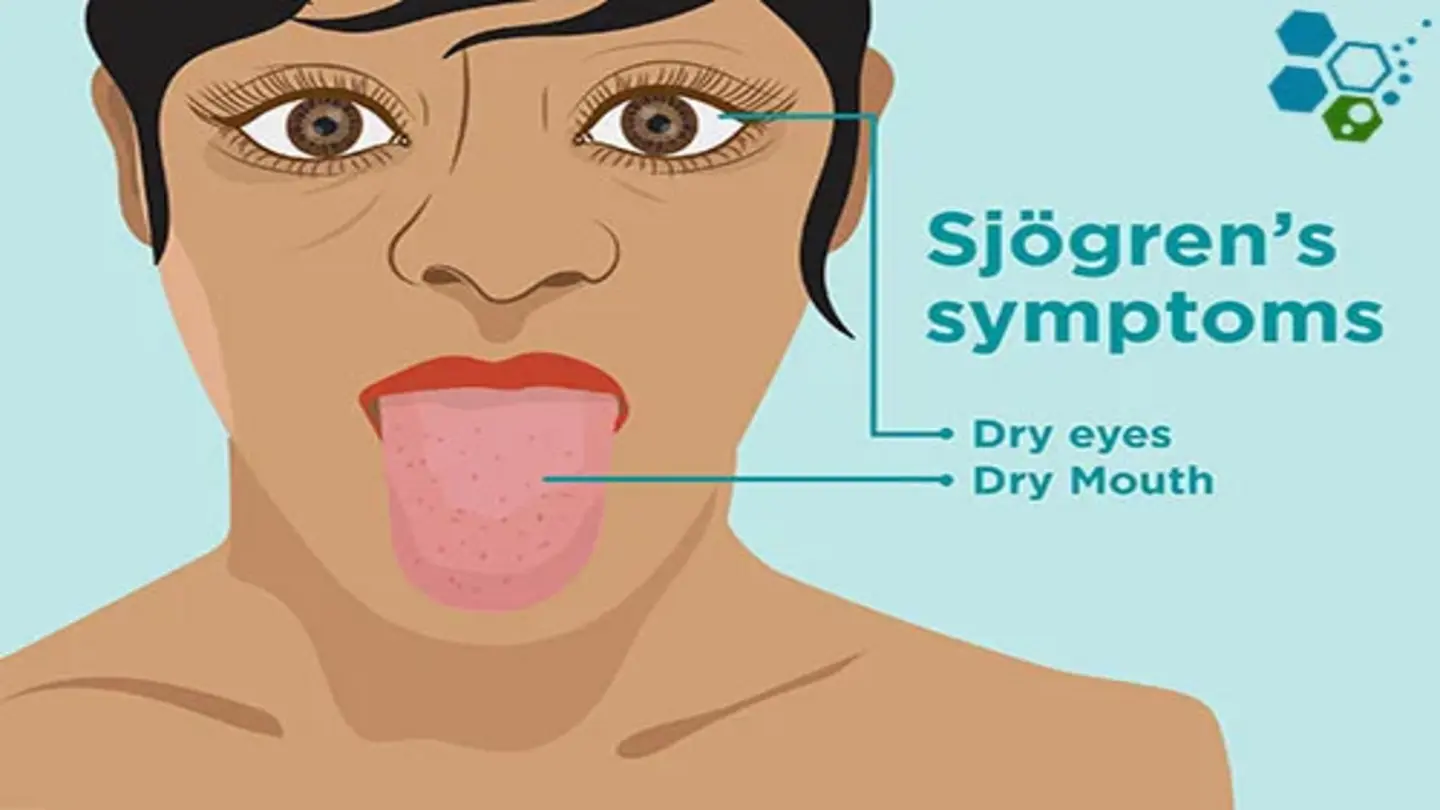
Sjögren’s syndrome commonly affects the moisture-producing glands, leading to debilitating dryness in the eyes and mouth. Current treatments, including artificial tears and anti-inflammatory medications, often provide only temporary relief or are insufficient for those with advanced disease. This new approach focuses on harnessing the regenerative power of stem cells to restore the function of the lacrimal glands, responsible for tear production.
The eye drops contain stem cells specifically engineered to differentiate into cells that replenish damaged tear glands. In a clinical trial, patients with refractory Sjögren’s dry eye experienced a notable increase in tear production, reduced corneal inflammation, and improved overall eye comfort after using the drops for several weeks. Researchers observed a statistically significant difference in Schirmer’s test scores – a common measure of tear volume – between the treatment group and a control group receiving standard care.
“These results are very encouraging, particularly for patients who have exhausted all other treatment options,” stated Dr. [Name not provided in source], the lead investigator of the study. “The stem cell eye drops appear to address the underlying cause of the dryness, rather than just masking the symptoms.” The study involved [Number not provided in source] participants and was conducted across multiple European medical centers.
Mechanism of Action
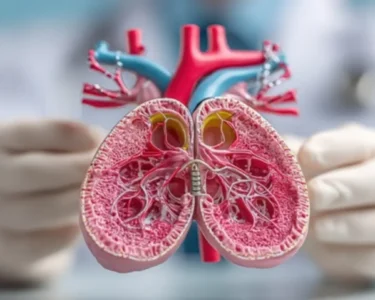
The stem cells used in the drops are not embryonic stem cells, addressing ethical concerns. Instead, they are derived from adult cells and reprogrammed to regain stem cell-like properties. Once administered, these cells migrate to the damaged lacrimal glands and begin to repair and regenerate the tissue. This process leads to increased tear production and a reduction in the inflammatory response that characterizes Sjögren’s dry eye.
While the results are promising, researchers emphasize that this treatment is still in its early stages of development. Further studies are needed to determine the long-term efficacy and safety of the stem cell eye drops, as well as to identify the optimal dosage and treatment duration. The team is also investigating whether this approach could be beneficial for other types of dry eye disease, not solely those linked to Sjögren’s syndrome.
The potential impact of this therapy extends beyond improved comfort. Severe dry eye can lead to corneal damage, vision impairment, and a significantly reduced quality of life. By restoring tear production, these stem cell eye drops could help prevent these complications and preserve vision for patients with this challenging condition. The next phase of research will focus on larger, multi-center trials to confirm these initial findings and pave the way for potential regulatory approval.
The development represents a significant step forward in regenerative medicine and offers a new avenue of hope for millions suffering from chronic dry eye. The research team anticipates that with continued development, this treatment could become a standard of care for refractory Sjögren’s dry eye and potentially other forms of the disease.
Image Source: Google | Image Credit: Respective Owner