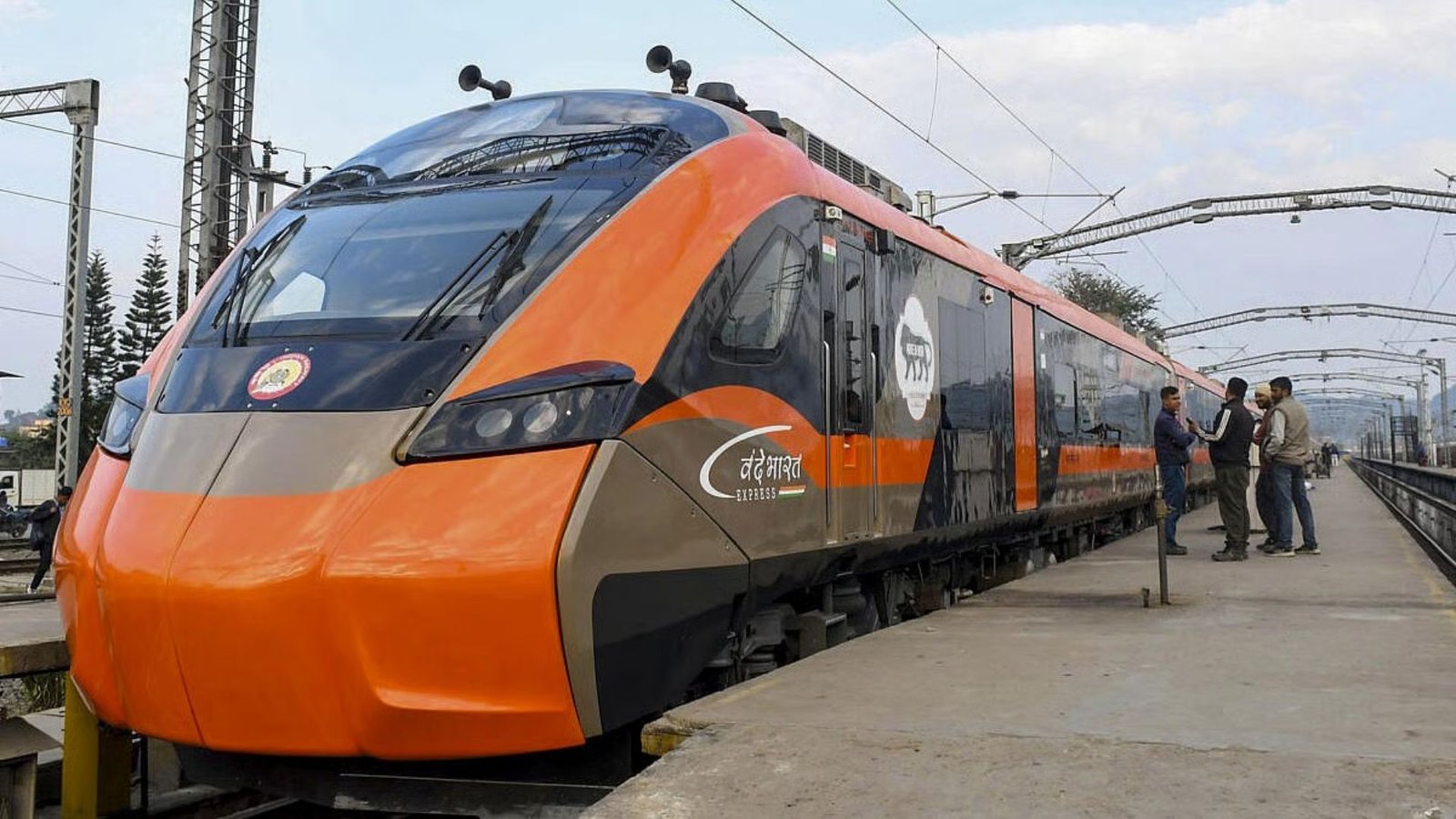
The Trinamool Congress (TMC) has launched a sharp attack on the central government following reports that the newly introduced Vande Bharat Express sleeper class train will offer a completely vegetarian menu. TMC leaders have characterized this decision as an imposition of dietary preferences and a disregard for India’s diverse culinary culture, sparking a political row.
The controversy centers around the absence of non-vegetarian options on the train, which is slated to run on long-distance routes. TMC spokesperson Kunal Ghosh was particularly vocal, accusing the government of “policing our plates” and attempting to enforce a specific cultural agenda. He argued that the move disregards the dietary habits of a significant portion of the Indian population and reflects a narrow-minded approach to inclusivity.
Cultural and Political Implications
The TMC’s criticism extends beyond mere dietary choice, framing the issue as a broader concern regarding cultural representation and federalism. Party members allege that the decision was made without considering the preferences of passengers from various states, particularly those with strong traditions of meat consumption. This perceived imposition has been presented as an example of the central government’s disregard for regional diversity.
The debate has quickly gained traction on social media, with users expressing both support and opposition to the vegetarian-only menu. Supporters argue that offering vegetarian options caters to a large segment of the population, particularly those with religious or ethical restrictions on meat consumption. Critics, however, maintain that passengers should have the freedom to choose their meals, regardless of religious or cultural considerations.
Railway officials have yet to issue a comprehensive statement addressing the TMC’s concerns. Initial responses suggest that the menu was designed based on logistical considerations and to minimize potential issues related to food preparation and storage on long-distance journeys. However, this explanation has failed to quell the criticism from the TMC and other opposition parties.
The TMC’s attack comes amidst heightened political tensions between the ruling Bharatiya Janata Party (BJP) and regional parties like the TMC, particularly in the lead-up to upcoming elections. The party has consistently positioned itself as a champion of secularism and inclusivity, and this latest controversy provides an opportunity to reinforce that image. The incident is likely to fuel further debate about cultural politics and the role of the central government in shaping dietary norms.
Furthermore, the TMC has questioned the transparency of the decision-making process, demanding a detailed explanation from the Railway Ministry regarding the rationale behind the vegetarian-only menu. They have also called for a review of the policy to ensure that it respects the diverse culinary preferences of all Indian citizens. The party intends to raise the issue in Parliament during the next session, seeking a more comprehensive discussion on the matter.
The controversy highlights the sensitivity surrounding food choices in India and the potential for political ramifications when these choices are perceived as being imposed or dictated by external forces. The Vande Bharat Express, intended as a symbol of modern India, has inadvertently become the focal point of a debate about cultural identity and inclusivity.
Image Source: Google | Image Credit: Respective Owner