Europe is poised to witness a surge of groundbreaking medical innovations by 2025, promising to reshape healthcare delivery and patient outcomes. A recent report from the European Medical Journal highlights key advancements across several disciplines, from artificial intelligence-driven diagnostics to personalized gene therapies and robotic surgery enhancements.
AI Revolutionizing Diagnostics
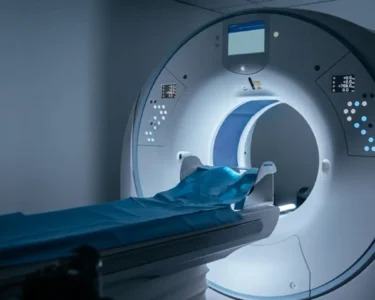
Artificial intelligence (AI) is rapidly becoming integral to medical diagnostics. By 2025, AI algorithms are expected to significantly improve the accuracy and speed of disease detection, particularly in areas like radiology and pathology. These systems can analyze medical images – X-rays, CT scans, MRIs – with a level of detail often exceeding human capabilities, identifying subtle anomalies that might otherwise be missed. Furthermore, AI is being developed to predict patient risk for various conditions, enabling proactive interventions and preventative care. The integration of machine learning into electronic health records will also allow for more tailored treatment plans based on individual patient data and historical trends.
Gene therapy is moving beyond rare genetic disorders and is being explored for more common ailments like cancer and heart disease. New CRISPR-based technologies are offering unprecedented precision in gene editing, minimizing off-target effects and maximizing therapeutic potential. By 2025, several gene therapies are anticipated to receive regulatory approval, offering potential cures for previously untreatable conditions. Personalized medicine, guided by genomic sequencing, will become more commonplace, allowing doctors to prescribe drugs and therapies based on a patient’s unique genetic makeup.
Robotic surgery is evolving beyond assisting surgeons to performing increasingly complex procedures autonomously. Enhanced robotic systems will offer greater dexterity, precision, and minimally invasive techniques, leading to faster recovery times and reduced complications for patients. Haptic feedback technology, allowing surgeons to “feel” tissues during robotic procedures, is also improving, bridging the gap between traditional and robotic surgery. Tele-surgery, facilitated by advanced robotics and high-speed communication networks, will expand access to specialized surgical care in remote areas.
Beyond these core areas, the report also points to advancements in nanomedicine, with nanoparticles being used for targeted drug delivery and disease monitoring. Wearable sensors and remote patient monitoring devices will generate a wealth of real-time health data, empowering patients to take greater control of their well-being and enabling healthcare providers to deliver more proactive and personalized care. The development of biocompatible materials and 3D printing technologies is also driving innovation in prosthetics and implants, offering improved functionality and aesthetics.
However, the widespread adoption of these innovations faces challenges. Data privacy and security concerns surrounding AI and genomic data need to be addressed. The high cost of gene therapies and advanced robotic systems could limit access for some patients. Furthermore, regulatory frameworks need to evolve to keep pace with the rapid pace of technological change. Despite these hurdles, the future of healthcare in Europe looks bright, driven by a commitment to scientific innovation and a focus on improving patient lives. Collaboration between researchers, clinicians, and industry partners will be crucial to realizing the full potential of these advancements.
Image Source: Google | Image Credit: Respective Owner