The European Space Agency (ESA) has released a comprehensive framework dubbed ‘Zero Debris’ aimed at drastically reducing the amount of dangerous space junk orbiting Earth. This initiative comes as the threat posed by uncontrolled re-entry of debris and the increasing risk of collisions continues to grow, potentially crippling vital satellite infrastructure.
The framework, detailed in a recent ESA report, outlines a multi-pronged approach encompassing design for demise, active debris removal, and improved tracking and collision avoidance. A core tenet is the ‘design for demise’ principle, which mandates that future spacecraft be engineered to fully burn up during atmospheric re-entry, minimizing the risk of debris reaching the ground. This includes selecting materials with lower melting points and designing components to break apart easily.
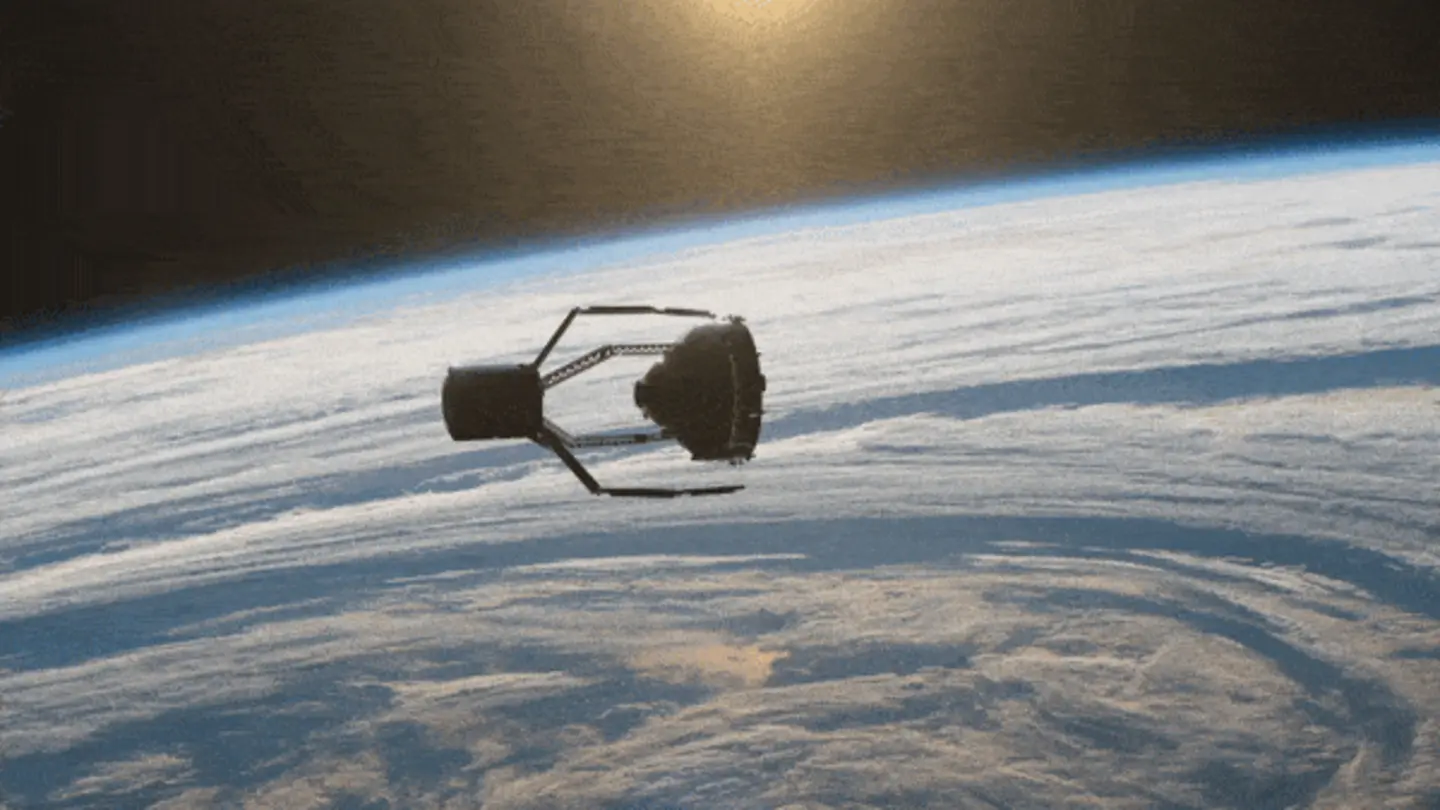
However, addressing the existing debris – estimated at over 30,000 objects larger than 10cm – requires more active intervention. The ESA is actively exploring and investing in technologies for Active Debris Removal (ADR). These technologies range from robotic arms and nets to harpoons and even lasers, all designed to capture or deorbit defunct satellites and fragments. Several ADR missions are already in the planning stages, including the ClearSpace-1 mission, scheduled for launch in 2026, which will attempt to capture and remove a Vespa payload adapter.
Improved tracking capabilities are also crucial. Currently, tracking is limited to larger objects. The ESA is advocating for a more comprehensive system capable of monitoring smaller, yet still dangerous, debris. This involves enhancing ground-based radar and optical telescopes, as well as developing space-based sensors. More accurate tracking data will allow for more precise collision predictions and enable operators to maneuver their satellites to avoid potential impacts.
Challenges and International Cooperation
The ‘Zero Debris’ framework acknowledges the significant technical and financial challenges associated with debris removal. ADR missions are complex and expensive, and the legal framework surrounding the removal of objects in space is still evolving. Determining ownership and liability for debris removal is a particularly thorny issue.
Crucially, the ESA emphasizes the need for international cooperation. Space debris is a global problem, and a coordinated effort is essential for effective mitigation. The agency is actively engaging with other space agencies, governments, and private companies to promote the adoption of best practices and develop common standards. This includes advocating for legally binding regulations to enforce responsible space behavior.
The long-term goal of the ‘Zero Debris’ strategy is to create a sustainable space environment where future generations can continue to benefit from space-based technologies. Without significant action, the risk of cascading collisions – known as the Kessler Syndrome – could render certain orbits unusable, severely impacting communication, navigation, and Earth observation systems. The ESA’s framework represents a vital step towards preventing this scenario and ensuring the long-term viability of space activities. The agency hopes this plan will spur further investment and innovation in debris mitigation technologies and foster a more responsible approach to space exploration and utilization.
The framework isn’t just about removing existing debris; it’s about preventing future accumulation. By promoting responsible design and operational practices, the ESA aims to minimize the creation of new debris and ensure that space remains accessible and safe for all.
Image Source: Google | Image Credit: Respective Owner