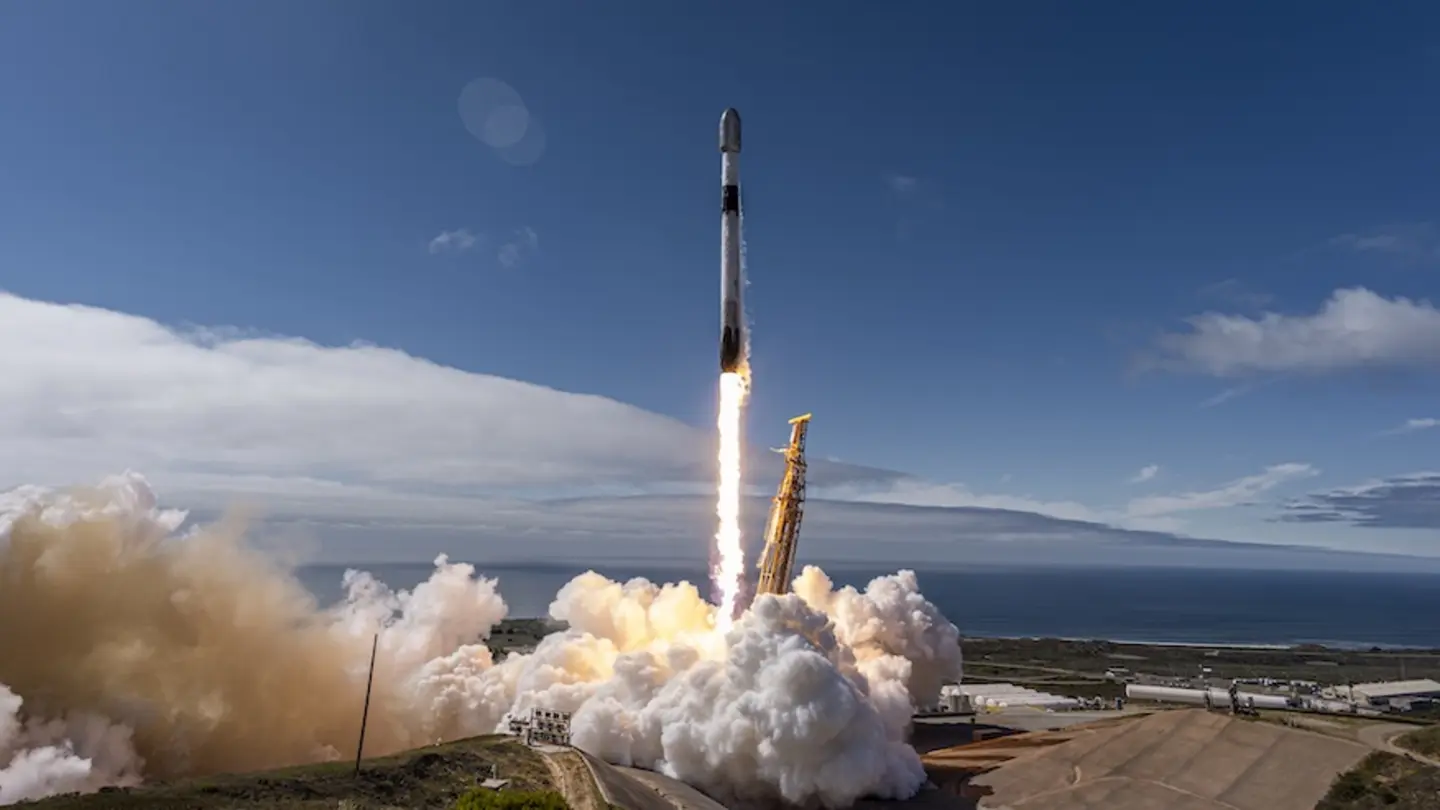
SpaceX successfully launched another batch of 29 Starlink satellites into low Earth orbit on Tuesday, further expanding its ambitious satellite internet constellation. The launch took place from Space Launch Complex 40 (SLC-40) at Cape Canaveral Space Force Station in Florida. This mission, designated as Starlink V6-11, represents a continued effort by SpaceX to enhance global internet access, particularly in underserved and remote areas.
The Falcon 9 rocket, a mainstay of SpaceX’s operations, propelled the satellites skyward. Following stage separation, the first stage booster executed a successful landing on the “A Shortfall of Gravitas” droneship stationed in the Atlantic Ocean. This marked yet another successful recovery and reuse of a Falcon 9 booster, a key component of SpaceX’s strategy to reduce the cost of space travel and increase launch cadence.
Expanding Global Coverage
Starlink aims to provide high-speed, low-latency internet services to consumers and businesses worldwide. The system utilizes a network of thousands of satellites in low Earth orbit to deliver connectivity, bypassing traditional terrestrial infrastructure. The addition of these 29 satellites brings the total number of Starlink satellites in orbit closer to the number needed for full global coverage. SpaceX continues to refine the constellation’s capabilities, including improvements to inter-satellite links and beamforming technology.
This latest launch is particularly noteworthy as SpaceX continues to deploy satellites with direct-to-cell capabilities. These advanced satellites are designed to provide text message and eventually voice and data services directly to unmodified smartphones, even in areas with no existing cellular coverage. This feature has the potential to revolutionize communication in remote regions and during emergency situations.
The company has faced scrutiny regarding the increasing number of satellites in orbit and the potential for space debris. SpaceX has responded by implementing measures to mitigate these concerns, including the development of technologies for deorbiting satellites at the end of their lifespan and actively tracking and avoiding collisions. They are also working on improving the visibility of their satellites to reduce their impact on astronomical observations.
The Starlink project is not without its competitors. Companies like OneWeb and Kuiper Systems (backed by Amazon) are also developing satellite internet constellations. However, SpaceX currently holds a significant lead in terms of the number of satellites deployed and the extent of its service coverage. The ongoing launches demonstrate SpaceX’s commitment to maintaining its position at the forefront of the space-based internet revolution. The long-term impact of Starlink on global connectivity and the broader space industry remains to be seen, but its potential is undeniable.
The launch was broadcast live, showcasing the impressive capabilities of SpaceX’s launch infrastructure and the growing sophistication of its satellite deployment techniques. Further launches are planned in the coming weeks and months as SpaceX continues to build out its Starlink network.
Image Source: Google | Image Credit: Respective Owner