United Nations Secretary-General António Guterres delivered a forceful plea for comprehensive reform of the Security Council, asserting the need for the body to adapt to the realities of the 21st century. Speaking at a high-level meeting, Guterres argued that the current structure, largely unchanged since 1945, is increasingly ineffective in addressing global challenges and lacks representation from many regions of the world.
Guterres emphasized that the world has undergone significant transformations since the Council’s inception, with new powers emerging and existing dynamics shifting. He stated that the Council must reflect this new reality to maintain its legitimacy and authority. His call for change wasn’t merely a suggestion, but a declaration that “we must be bold enough to change,” signaling a sense of urgency regarding the matter.
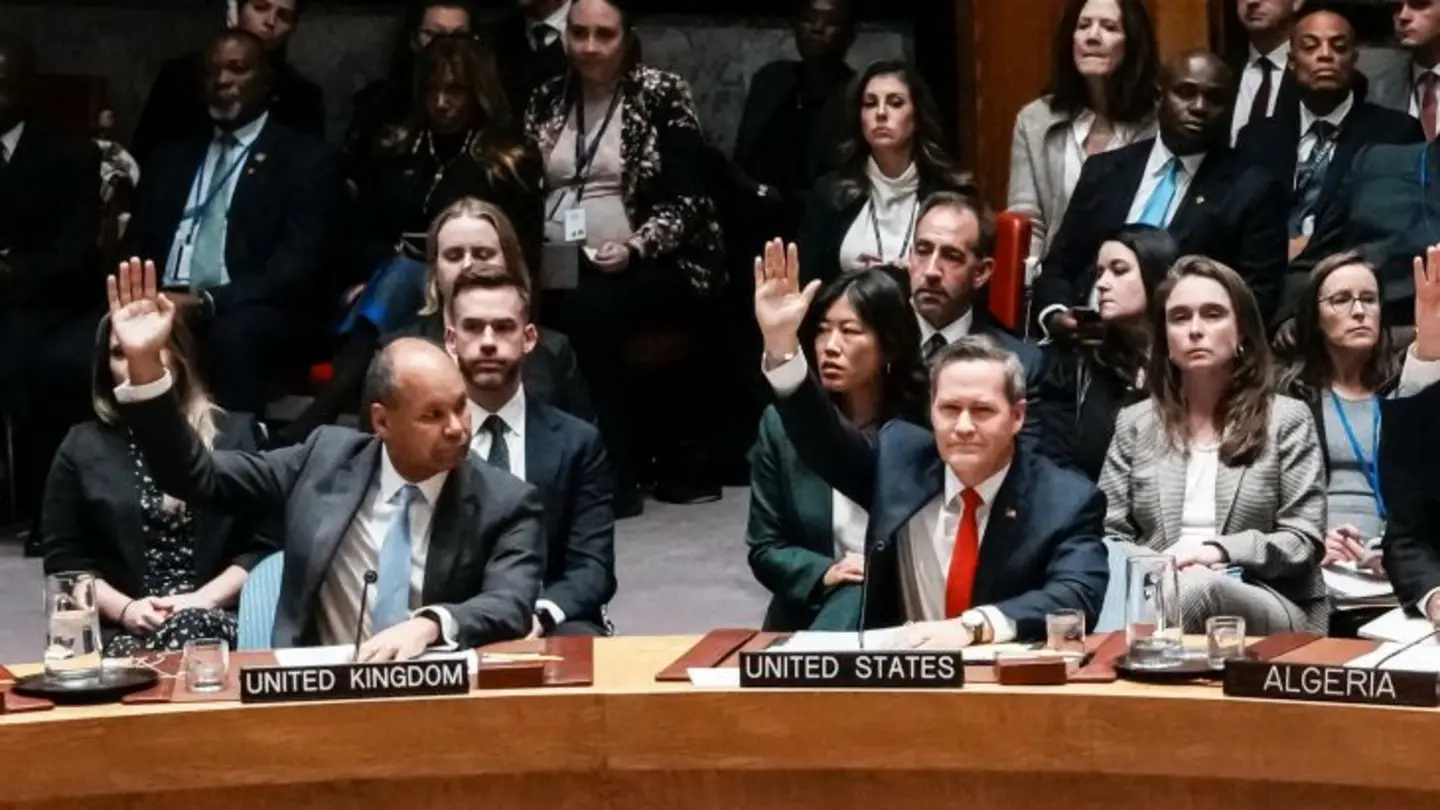
The Secretary-General highlighted several key areas requiring reform. These include expanding the Council’s membership to include more permanent and non-permanent seats, improving its working methods to enhance transparency and accountability, and revisiting the veto power held by the five permanent members – China, France, Russia, the United Kingdom, and the United States. He suggested that the frequent use of the veto often paralyzes the Council, preventing it from taking decisive action in critical situations.
Current Limitations
Guterres pointed to the Council’s struggles in preventing and resolving conflicts, particularly in regions like Africa and the Middle East, as evidence of its shortcomings. He argued that a more representative and responsive Security Council would be better equipped to address these challenges and promote peace and security globally. The lack of permanent representation from Africa and Latin America was specifically noted as a significant imbalance.
The call for reform isn’t new, but Guterres’s strong language and direct appeal to member states have injected fresh momentum into the debate. Previous attempts at reform have been stymied by disagreements among member states, particularly the permanent five, who are reluctant to relinquish their privileged position. However, the Secretary-General expressed hope that a renewed sense of collective purpose could overcome these obstacles.
He acknowledged the complexities involved in reforming the Council, noting that any changes would require the consent of a large majority of member states, including the permanent five. He proposed a series of concrete steps, including the establishment of a working group to explore different reform options and the convening of a high-level panel to provide recommendations. He stressed the importance of inclusivity and broad-based consultations in the reform process.
The response from member states has been mixed. Some have welcomed Guterres’s initiative, while others have expressed skepticism about the prospects for meaningful change. The United States, while acknowledging the need for reform, has cautioned against changes that could undermine the Council’s effectiveness. China and Russia have also been noncommittal, emphasizing the importance of preserving the existing balance of power. Despite these reservations, the Secretary-General remains optimistic that a reformed Security Council is achievable, and essential for the future of the United Nations.
Image Source: Google | Image Credit: Respective Owner