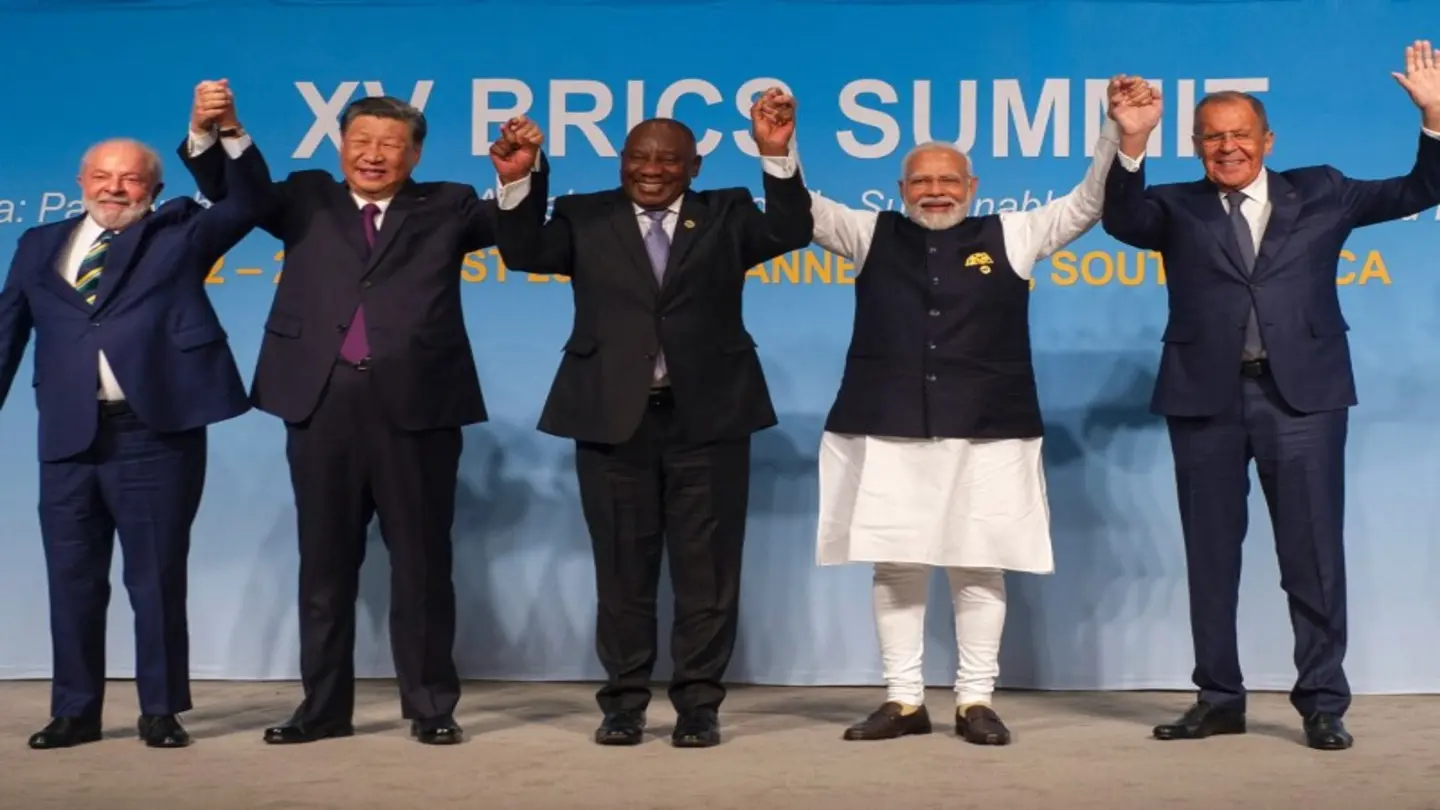
India’s central bank is reportedly proposing a framework to connect the digital currencies of BRICS nations – Brazil, Russia, India, China, and South Africa – according to sources familiar with the matter. This initiative, discussed during recent meetings, aims to facilitate cross-border trade and investment among the bloc, potentially reducing reliance on the US dollar and the existing SWIFT system.
The proposal, still in its early stages, envisions a system that would allow for seamless transactions using central bank digital currencies (CBDCs) or other digital payment systems adopted by each BRICS member. Details regarding the technological infrastructure, regulatory hurdles, and security protocols are still being worked out. However, the core idea is to create a unified platform that bypasses traditional financial intermediaries and minimizes transaction costs.
Geopolitical Implications
This move comes as BRICS nations increasingly seek to de-dollarize their economies and establish a more multipolar financial order. Western sanctions against Russia, and the subsequent freezing of its foreign reserves, have accelerated this trend, prompting BRICS members to explore alternative payment mechanisms. A successful digital currency linkage could significantly enhance the bloc’s economic independence and bargaining power on the global stage.
The Indian proposal is reportedly focused on establishing a common platform and standards for interoperability. This would involve addressing technical challenges related to different blockchain technologies or digital payment infrastructures used by each country. Furthermore, harmonizing regulatory frameworks concerning data privacy, cybersecurity, and anti-money laundering (AML) will be crucial for the system’s viability.
While the specifics remain confidential, sources indicate that the Reserve Bank of India (RBI) is taking a leading role in shaping the technical architecture of the proposed system. India has been actively developing its own CBDC, the e-rupee, and its experience in this area is seen as valuable to the BRICS initiative. The RBI is also keen to promote the use of digital payments domestically and internationally.
The potential benefits of a BRICS digital currency linkage extend beyond reducing reliance on the US dollar. It could also streamline trade finance, enhance transparency, and foster greater financial inclusion within the bloc. However, challenges remain, including the need for political consensus, addressing concerns about data security, and ensuring the system is resilient to cyberattacks.
The initiative is expected to be a key topic of discussion at the upcoming BRICS summit. Further details are likely to emerge as the proposal gains traction and moves closer to implementation. The success of this endeavor will depend on the willingness of all BRICS members to collaborate and overcome the technical and regulatory obstacles that lie ahead. Analysts suggest that a phased approach, starting with pilot projects and gradually expanding the scope of the linkage, is the most likely scenario.
Image Source: Google | Image Credit: Respective Owner