A new study published in GeneOnline explores the relationship between dietary antioxidant intake and levels of oxidative stress in individuals suffering from rosacea. Researchers investigated whether increasing the consumption of foods rich in antioxidants could mitigate the inflammatory processes characteristic of the skin condition.
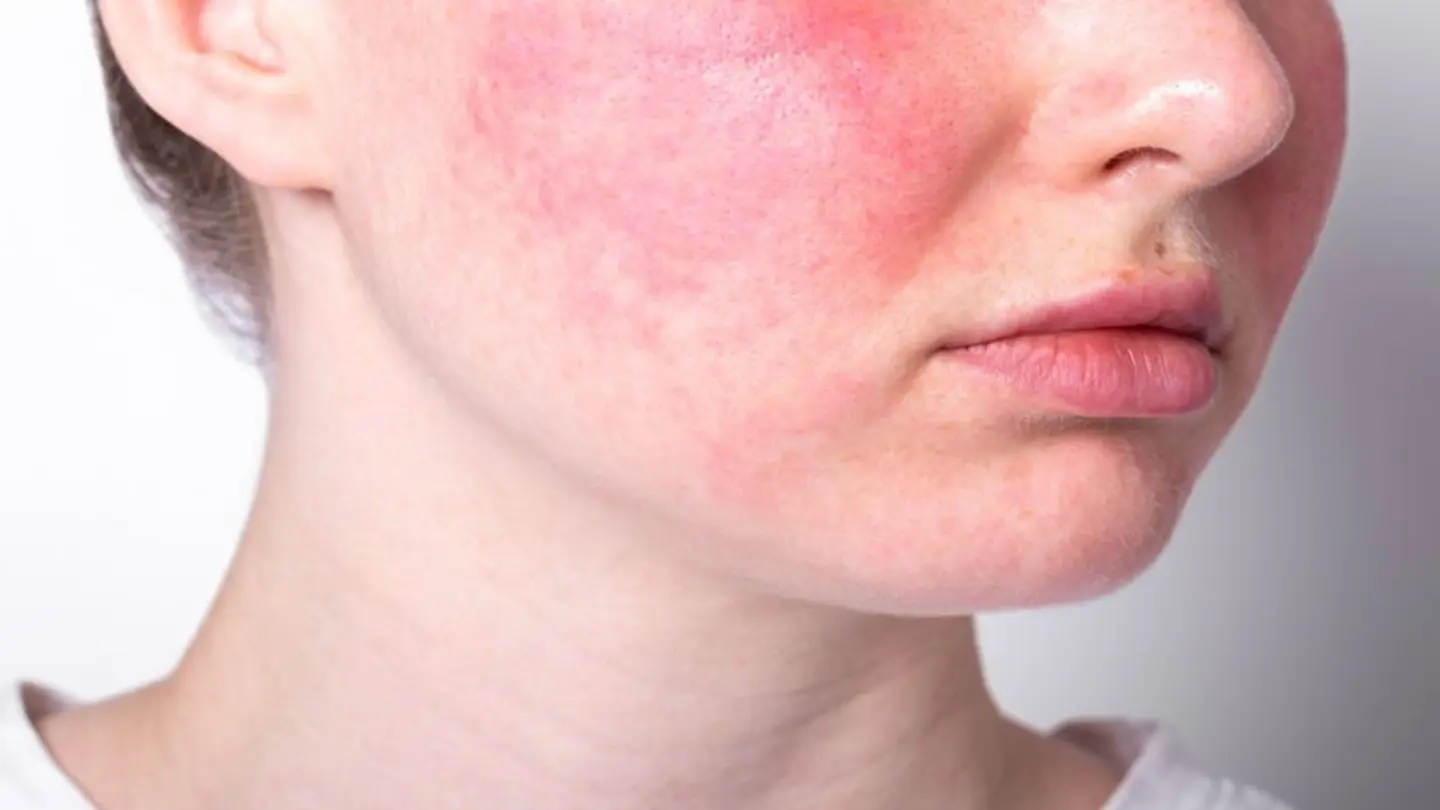
Rosacea is a chronic inflammatory skin disease affecting millions worldwide, presenting with facial redness, visible blood vessels, and sometimes, small, pus-filled bumps. While the exact cause remains unknown, oxidative stress – an imbalance between free radicals and antioxidant defenses – is increasingly recognized as a key contributing factor to its development and severity.
The study involved a cohort of rosacea patients who were meticulously assessed for their dietary habits, specifically their intake of vitamins C and E, as well as other key antioxidants found in fruits, vegetables, and whole grains. Simultaneously, biomarkers of oxidative stress were measured in blood and skin samples. The research team employed advanced statistical analyses to determine correlations between dietary antioxidant levels and oxidative stress markers.
Key Findings
The findings revealed a significant inverse correlation between dietary antioxidant intake and oxidative stress levels in rosacea patients. Those who consumed a diet rich in antioxidants exhibited lower levels of oxidative damage, suggesting a protective effect. Specifically, higher vitamin C and E intake was associated with reduced levels of malondialdehyde (MDA), a common biomarker of lipid peroxidation – a process indicative of oxidative stress.
Interestingly, the study also identified specific dietary patterns that were particularly beneficial. A Mediterranean-style diet, characterized by abundant fruits, vegetables, olive oil, and fish, was strongly linked to improved antioxidant status and reduced oxidative stress. Conversely, diets high in processed foods, sugar, and saturated fats were associated with increased oxidative stress.
Researchers emphasize that this study does not prove causation, but rather highlights a strong association. Further research, including randomized controlled trials, is needed to definitively establish whether increasing antioxidant intake can effectively manage or prevent rosacea flare-ups. However, the current findings provide compelling evidence to support dietary modifications as a potential adjunct therapy.
The study authors suggest that healthcare professionals consider assessing the dietary habits of their rosacea patients and recommending antioxidant-rich foods as part of a holistic treatment approach. They also note the importance of personalized dietary advice, as individual antioxidant needs may vary based on factors such as disease severity, genetics, and lifestyle. The research underscores the growing understanding of the gut-skin axis and the role of nutrition in maintaining skin health. Future studies will aim to pinpoint the optimal antioxidant dosages and combinations for maximum benefit in rosacea management.
This research offers a promising avenue for exploring non-pharmacological interventions for rosacea, potentially improving the quality of life for those affected by this common skin condition. The focus on dietary strategies aligns with a broader trend towards preventative and personalized medicine.
Image Source: Google | Image Credit: Respective Owner