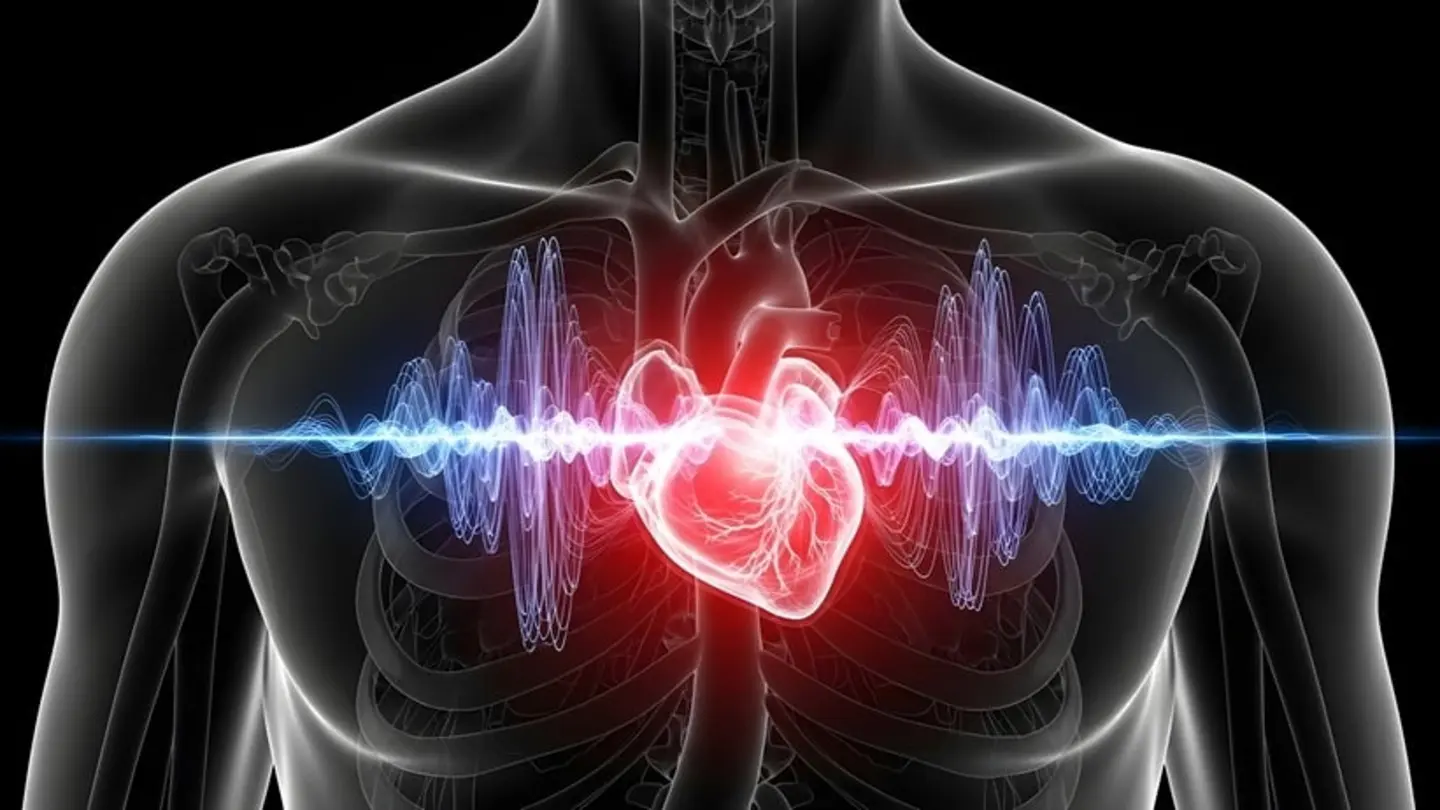
Recent advancements in 3D cardiac mapping are significantly improving the detection and treatment of heart rhythm disorders, known as arrhythmias. A study published in the European Medical Journal highlights the technology’s ability to create detailed, three-dimensional models of the heart, allowing physicians to pinpoint the origins of irregular heartbeats with greater precision than traditional methods.
Arrhythmias affect millions worldwide, ranging from minor inconveniences like occasional palpitations to life-threatening conditions like ventricular fibrillation. Accurate diagnosis is crucial for effective treatment, which can include medication, lifestyle changes, or invasive procedures like catheter ablation. Traditional electrocardiograms (ECGs) and other diagnostic tools often provide limited information about the specific location within the heart causing the arrhythmia.
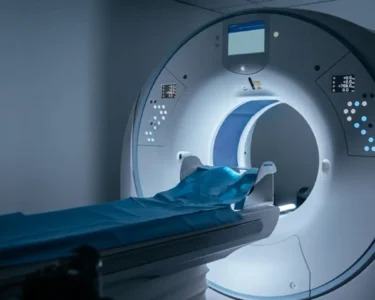
3D cardiac mapping addresses this limitation by utilizing sophisticated imaging techniques, such as magnetic resonance imaging (MRI) and computed tomography (CT) scans, combined with electrophysiological studies. These studies involve inserting catheters into the heart to measure electrical activity. The data from these sources is then integrated to construct a comprehensive 3D map of the heart’s electrical pathways.
This detailed mapping allows doctors to visualize the spread of electrical impulses and identify areas of abnormal activity that trigger arrhythmias. The technology is particularly beneficial in cases of complex arrhythmias, such as atrial fibrillation and ventricular tachycardia, where the source of the problem may be difficult to locate using conventional techniques. By precisely identifying the arrhythmogenic substrate, physicians can target treatment more effectively, minimizing damage to healthy heart tissue.
Benefits Beyond Diagnosis
The benefits of 3D cardiac mapping extend beyond improved diagnosis. The technology also aids in planning and performing catheter ablation procedures. During ablation, a catheter is used to deliver energy to the specific area of the heart causing the arrhythmia, effectively destroying the abnormal tissue and restoring a normal heart rhythm.
With 3D mapping guidance, ablation procedures can be performed with greater accuracy and safety. This can lead to higher success rates, fewer complications, and shorter procedure times. Furthermore, the technology allows for the creation of personalized treatment plans tailored to the individual patient’s anatomy and arrhythmia characteristics.
Researchers are continually refining 3D cardiac mapping techniques, exploring new ways to integrate data and improve visualization. Artificial intelligence and machine learning are also being incorporated to automate aspects of the mapping process and enhance the accuracy of arrhythmia detection. The future of arrhythmia management is likely to involve even more sophisticated and personalized approaches based on 3D cardiac mapping technology. The European Medical Journal study underscores the growing importance of this technology in modern cardiology and its potential to improve the lives of patients with heart rhythm disorders. Continued investment and research in this field are essential to unlock its full potential.
The adoption of 3D cardiac mapping is gradually increasing in hospitals and clinics worldwide, driven by its demonstrated clinical benefits and the growing demand for minimally invasive treatment options. However, the technology requires specialized training and equipment, which may limit its availability in some areas. Efforts are underway to make 3D cardiac mapping more accessible to a wider range of healthcare providers.
Image Source: Google | Image Credit: Respective Owner